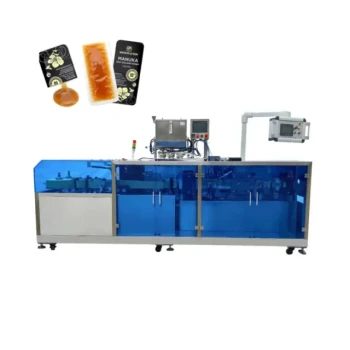
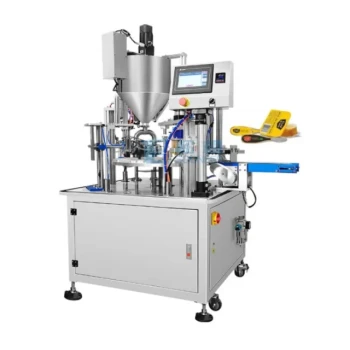
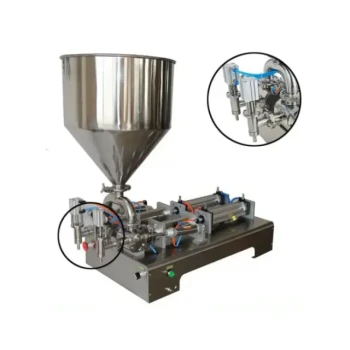
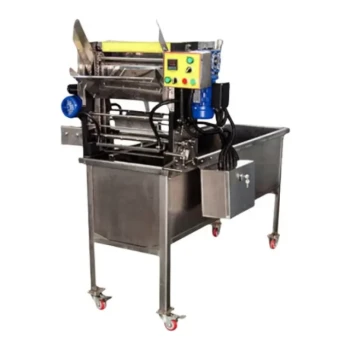
Automatic honey-filling machines act as the technological bridge that converts raw agricultural output into standardized commercial goods. By utilizing precise metering systems and sterile filling technology, these machines allow apiaries to transform raw honey directly into pre-packaged products that meet strict market access standards, effectively turning biological advantages into scalable commercial assets.
Core Takeaway: The transition to industrial-grade filling is not merely about increasing speed; it is about securing market viability. By enforcing sterility and volume consistency, these systems enable apiaries to overcome manual limitations, offsetting rising management costs while meeting the rigorous demands of global supply chains.
The Operational Shift to Industrialization
Converting Population to Commercial Output
The primary value of automated filling is its ability to translate a biological resource into a reliable product.
While a strong honeybee population provides the potential for yield, automatic filling equipment transforms this potential into a tangible "commercial output advantage." This shifts the apiary's focus from simple raw material collection to high-value manufacturing.
Ensuring Market Access through Sterility
Industrialization requires adherence to strict food safety protocols.
Manual handling introduces significant risks of contamination. Automated machines utilize sterile filling technology to create a closed loop, ensuring the final product is hygienic and safe. This compliance is often the deciding factor in gaining access to large-scale retail markets and high-end distribution channels.
Economic Efficiency and Resilience
Precision Metering and Standardization
In a commercial context, consistency is currency.
Industrial-grade machines employ precise metering systems to guarantee exact volume control. This standardization prevents product giveaway (overfilling) and compliance issues (underfilling), ensuring every unit leaving the facility strengthens the brand's reputation for quality.
Offsetting Rising Production Costs
Beekeeping faces increasing costs due to colony losses and climate variability.
Automated processing helps offset these financial pressures by maximizing the efficiency of the harvest. By processing large volumes rapidly during peak flows, machines reduce the risk of spoilage or secondary loss, providing a stable cash flow to support colony replenishment and general management.
Reallocating Labor to Core Technical Tasks
Automation changes the nature of the workforce within the apiary.
By removing the bottleneck of manual packaging, labor resources can be redirected toward core technical activities. Beekeepers and researchers can focus on genetic improvement, health monitoring, and population management—the factors that actually drive honey production—rather than low-value manual labor.
Understanding the Trade-offs
Managing Technical Complexity
Transitioning to automation introduces a new layer of operational requirements.
While these machines reduce manual labor, they require technical maintenance and calibration. An apiary must ensure it has the expertise on hand to maintain these industrial systems, as downtime during a peak harvest window can be costly.
Capital Investment vs. Volume
Automation is a significant upfront capital expenditure.
For smaller operations with low or inconsistent yields, the return on investment may be slow. The value of these machines is realized most fully when the volume of production is high enough to justify the cost of the equipment through labor savings and reduced waste.
Making the Right Choice for Your Goal
To maximize the value of an automated filling system, align the technology with your specific business objective:
- If your primary focus is Brand Building: Prioritize machines with advanced sterile technology and aesthetic sealing capabilities to ensure a premium, consistent shelf presence.
- If your primary focus is Scale and Efficiency: Select high-throughput equipment designed to process peak harvest volumes rapidly to prevent bottlenecks and spoilage.
- If your primary focus is Operational Resilience: Focus on automation that reduces labor dependency, allowing you to divert funds and staff toward colony health and genetic sustainability.
Industrializing your filling process is the definitive step that evolves an apiary from a farming operation into a competitive commercial enterprise.
Summary Table:
| Key Feature | Industrial Value | Business Impact |
|---|---|---|
| Precise Metering | Ensures volume consistency | Minimizes waste and builds brand trust |
| Sterile Technology | Guarantees food safety | Secures access to global retail markets |
| High Throughput | Processes peak harvests fast | Offsets rising costs and prevents spoilage |
| Labor Automation | Reallocates human resources | Shifts focus to colony health and genetics |
Scale Your Commercial Success with HONESTBEE
Transitioning from a traditional apiary to a high-volume commercial enterprise requires the right industrial partner. HONESTBEE empowers commercial apiaries and distributors with a comprehensive wholesale portfolio designed for growth.
We provide everything from high-precision honey-filling machines and hive-making hardware to a full spectrum of beekeeping tools and industry consumables. Whether you need to automate your production line or source specialized machinery, HONESTBEE delivers the reliability and efficiency your business demands.
Ready to maximize your production value?
Contact HONESTBEE Today to explore our wholesale solutions and take your apiary to the next level.
References
- O. V. Lisohurska, I. P. Ligomina. Inventory of managed honey bee population in Zhytomyr region (Ukraine). DOI: 10.15421/2020_21
This article is also based on technical information from HonestBee Knowledge Base .
Related Products
- Automatic Honey Filling and Filtering Machine for Beekeeping Bottle Filling
- Fully Automatic Honey Filling Packaging Machine for Processing Line
- Precision Durable Efficient HONESTBEE Rotary Honey Filling Machine
- Automatic Single-Dose Snap & Squeeze Honey Sachets Packing Machine
- Semi Automatic Small Honey Bottle Filling Machine Honey Filler
People Also Ask
- What process advantages do professional honey filtering and filling machines provide? Optimize Your Organic Honey Output
- How do honey filling and filtering machines increase product value? Turn Raw Honey into Premium Export-Grade Goods
- How do honey filtration and filling machinery contribute to industrialization? Scale Your Commercial Honey Production
- What specific issues do industrial filtration and automated filling machinery address? Ensure Honey Quality & Compliance
- How does the use of professional honey filtration and filling machinery facilitate international honey exports?