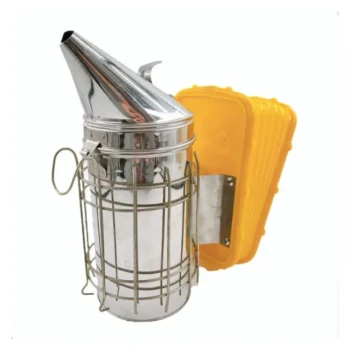
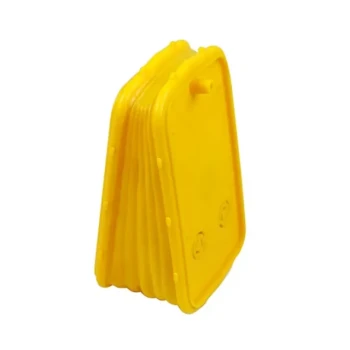
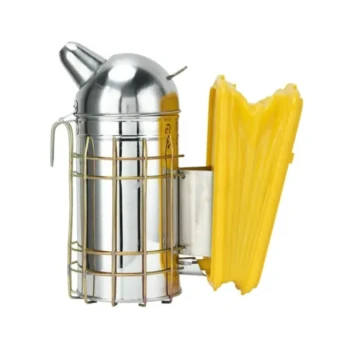
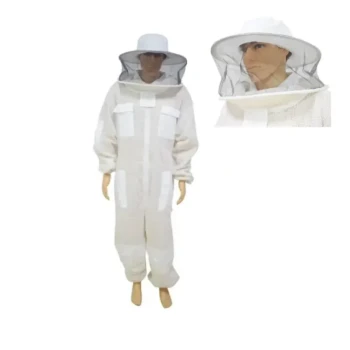
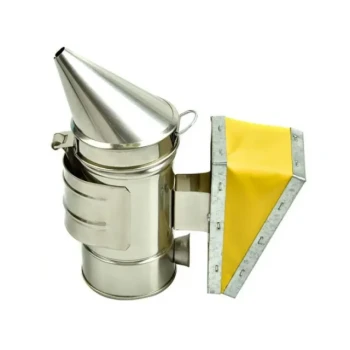
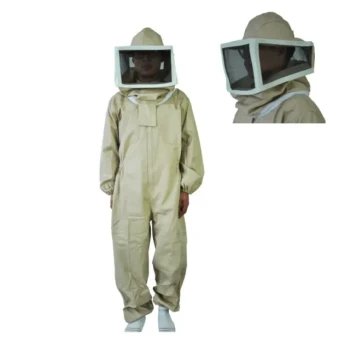
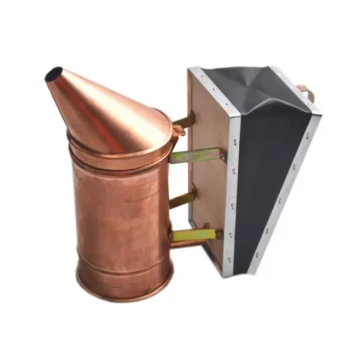
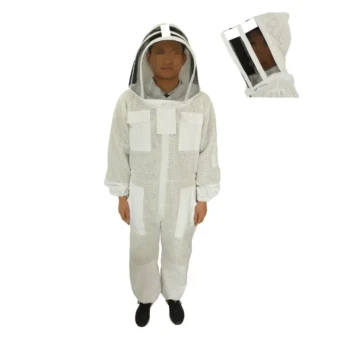
Bee smokers and protective clothing provide two complementary layers of safety: the smoker reduces defensive bee behavior, while the suit, veil, gloves, and boots create a physical barrier against stings. Together, they help beekeepers inspect frames, manage colonies, split hives, and harvest honey with greater control and less disruption.
A smoker helps prevent escalation; protective clothing limits the consequences if bees remain defensive. Neither replaces careful handling, but using both creates a much more reliable safety system.
How the Two Safety Measures Work Together
The smoker reduces colony defensiveness
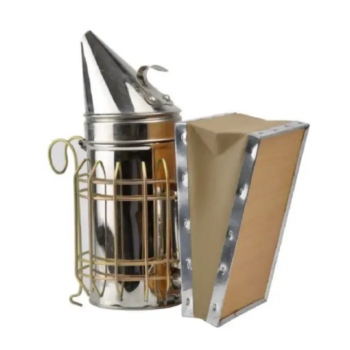
A bee smoker produces cool smoke from wood-based fuel and directs it into the hive entrance or across exposed boxes. The smoke interferes with the communication of alarm pheromones, which bees release when they perceive a threat.
Smoke also triggers an instinctive preparation response in the colony. Bees consume honey, making them temporarily less inclined to defend the hive aggressively.
Protective clothing blocks stings
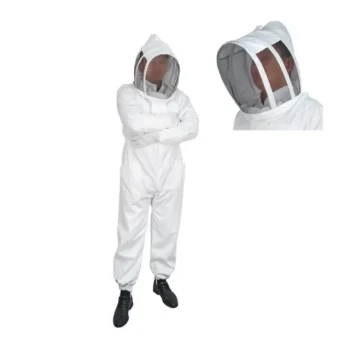
A bee suit or jacket, veil, gloves, and boots create a physical barrier between the beekeeper and the bees. The material is designed to prevent a bee’s stinger from reaching the skin and injecting venom.
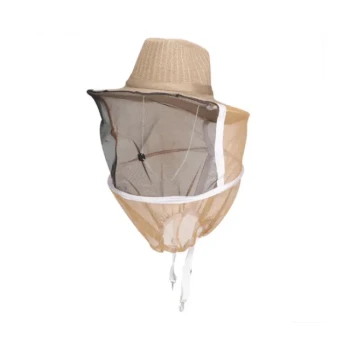
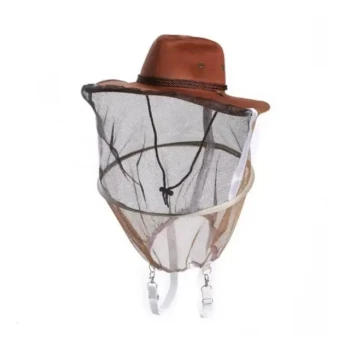
A properly fitted veil is particularly important because the face, neck, and eyes are highly vulnerable areas during close hive work.
The layers compensate for each other
Smoke does not eliminate all defensive behavior, and protective clothing does not prevent bees from becoming agitated. The smoker lowers the likelihood of attacks, while the clothing provides protection if bees land, crawl, or attempt to sting.
This layered approach is especially valuable during frame removal, brood inspections, queen management, colony splits, and honey extraction.
Applying the Combination During Hive Work
Prepare the smoker before opening the hive
The smoker should produce cool, steady smoke, not excessive heat or flames. Use suitable wood-based fuel and confirm that the smoker is operating reliably before beginning the inspection.
A controlled smoke supply allows the beekeeper to respond gradually if the colony becomes more defensive, rather than interrupting the work to prepare equipment.
Use smoke deliberately
Apply a small amount of smoke near the entrance and over the top of the hive before removing frames. Additional light applications may be appropriate as the inspection progresses.
The goal is behavioral control, not saturation. Excessive smoke can disrupt the colony, contaminate equipment or honey, and make hive work less predictable.
Close gaps in protective clothing
Before approaching the hive, check that the veil is securely fastened and that jacket or suit closures are fully closed. Gloves should overlap the sleeves, while trouser legs should be secured over or inside suitable boots.
Even a high-quality suit offers limited protection if bees can enter through an open cuff, loose collar, or poorly secured veil.
Keep the inspection calm and organized
Slow movements, controlled frame handling, and a clear work sequence reduce the need for repeated smoke applications. The smoker should support good beekeeping technique rather than compensate for rushed or rough handling.
This combination helps maintain a more controlled working environment for both the operator and the colony.
Why the Combination Matters for Commercial Operations
It supports consistent productivity
When bees are calmer and operators are protected, routine tasks can proceed with fewer interruptions. This supports more efficient inspections, harvesting cycles, and colony-management schedules.
For commercial beekeepers and resellers, dependable equipment contributes to operational consistency across different apiaries and working conditions.
It protects worker confidence and continuity
Protective clothing reduces the practical consequences of unexpected defensive behavior. A reliable smoker gives the operator a tool for managing that behavior before it escalates.
Together, these products can reduce avoidable disruption and help workers perform hive tasks with greater confidence.
It supports one-stop equipment sourcing
Distributors and B2B suppliers can create more value by offering smokers, fuel, suits, jackets, veils, gloves, and boots as a coordinated product range rather than treating them as unrelated items.
A full-spectrum portfolio, rapid order response, and dependable fulfillment are particularly important when beekeepers need replacement protective gear or seasonal harvesting supplies quickly.
Understanding the Trade-offs
Smoke is a control aid, not a guarantee
A smoker reduces defensive behavior but cannot guarantee that bees will not sting. Colony temperament, weather, hive condition, handling technique, and the beekeeper’s movements still influence risk.
Protective clothing remains necessary even when the colony appears calm.
Excessive smoke can create problems
Too much smoke may unnecessarily disturb the colony and make inspections more difficult. It can also introduce unwanted odors or residues if the wrong fuel is used.
Use clean, appropriate wood-based fuel and apply only the amount needed to maintain control.
Protective clothing can increase heat load
Bee suits and jackets must be thick enough to prevent stings, but additional layers can increase heat build-up. Breathable airflow fabrics improve comfort while preserving the required physical barrier.
Comfort matters because overheating and fatigue can lead to slower reactions, poor handling, and shortened work sessions.
Equipment quality and fit are critical
A smoker with unreliable airflow or a suit with weak seams can undermine the entire safety system. Products should be checked regularly for holes, damaged fasteners, worn mesh, loose cuffs, and other entry points.
For B2B buyers, consistent manufacturing quality and responsive after-sales service are as important as the initial product specification.
Making the Right Choice for Your Goal
The most effective purchasing and operating decisions match the equipment package to the work being performed.
- If your primary focus is operator safety: Use a dependable smoker together with a fully closed, correctly fitted suit, veil, gloves, and boots.
- If your primary focus is efficient hive inspections: Choose a smoker that produces controllable cool smoke and protective clothing that supports mobility and ventilation.
- If your primary focus is honey harvesting: Maintain complete protective coverage and use light, deliberate smoke applications to limit colony agitation during frame handling.
- If your primary focus is B2B supply and resale: Offer a coordinated range of smokers, fuel, protective apparel, and replacement components backed by fast response and reliable fulfillment.
Used together and applied correctly, bee smokers and protective clothing turn hive work into a more controlled, efficient, and defensible operation.
Summary Table:
| Safety Layer | Function | Key Benefits | Best Practices |
|---|---|---|---|
| Bee Smoker | Produces cool smoke that calms bees | Reduces defensive behavior, lessens alarm pheromone communication | Use wood-based fuel, apply light smoke at entrance and top, avoid excess smoke |
| Protective Clothing | Physical barrier against stings | Prevents stinger penetration, protects vulnerable areas like face | Ensure proper fit, close all gaps (veil, cuffs, boots) |
| Combined Use | Interlocking safety system | Handles residual defensiveness; ensures operator safety and operational efficiency | Maintain calm, organized inspections; check equipment regularly |
Ensure your apiary operates safely and efficiently with high-quality bee smokers and protective gear from HONESTBEE. Whether you are a commercial beekeeper needing durable equipment or a distributor seeking a reliable wholesale partner, our comprehensive range—from smokers and suits to gloves and veils—is designed to enhance productivity and safety. With rapid response, dedicated service, and fast delivery, we support your operations at every step. Contact us today for tailored solutions and competitive wholesale pricing.
Related Products
- White Cotton Beekeeping Jacket and Veil for Bee Keepers
- Beekeeping Jacket with Hood and Veil for Beekeepers
- Premium Cotton Beekeeper Suit with Reinforced Fencing Veil
- Professional Beekeeping Suit for Kids and Girls Childrens Bee Keeper Suit
- Beekeeper Cowboy Hat and Veil for Beekeeping
People Also Ask
- What are the features of an economical beekeeping jacket? Essential Protection for Budget-Conscious Beekeepers
- What are the pros of using a beekeeping jacket? Unlock Superior Comfort and Mobility for Your Apiary
- What factors should a new beekeeper consider when choosing between a jacket and a full suit? Security vs. Comfort
- What are the advantages of a beekeeping jacket? Superior Mobility & Comfort for Routine Hive Inspections
- When is a beekeeping jacket considered a more suitable choice than a full suit? Optimize Your Apiary Mobility