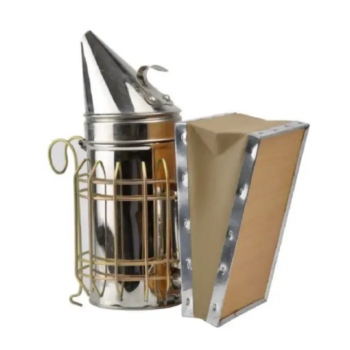
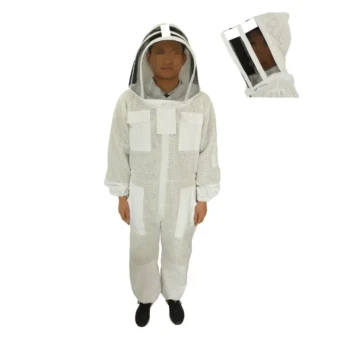
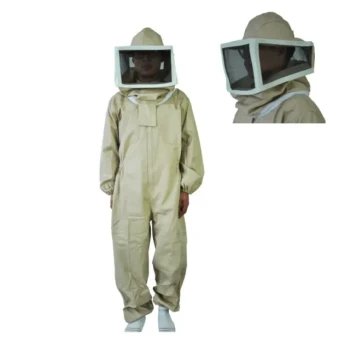
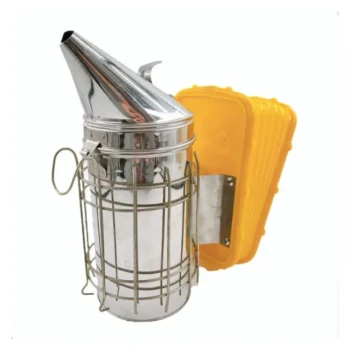
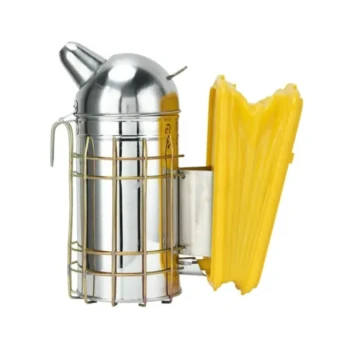
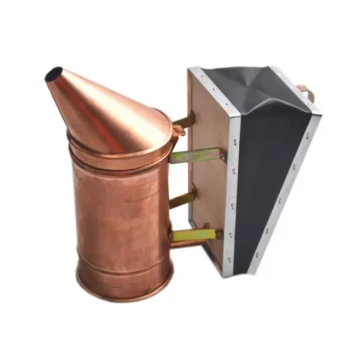
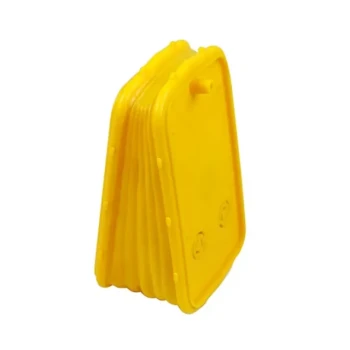
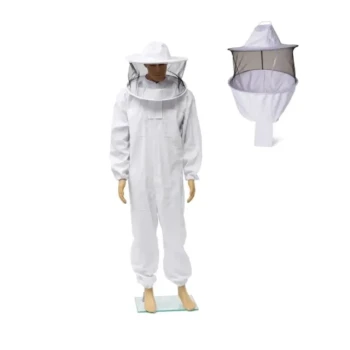
Bee smokers reduce colony defensiveness, while protective veils prevent stings to the beekeeper’s most vulnerable areas. The smoker produces cool smoke that masks or disrupts alarm pheromone signals and encourages bees to consume honey, temporarily making them calmer. The veil then provides a physical barrier around the face and neck, allowing inspections, queen management, and honey harvesting to continue with fewer interruptions.
A smoker manages bee behavior; a veil manages operator exposure. Used together—and supported by suitable clothing, gloves, and safe handling practices—they improve both apiary safety and operational efficiency.
How the Smoker and Veil Work Together
The smoker reduces defensive behavior
When a colony detects a threat, worker bees release alarm pheromones that help recruit other bees to defend the hive. Cool smoke interferes with this chemical signaling, reducing the speed and intensity of the defensive response.
Smoke also triggers an instinctive feeding response. Bees consume honey in preparation for a possible relocation, which temporarily makes them less inclined to sting and easier to manage during hive work.
The veil protects the face and neck
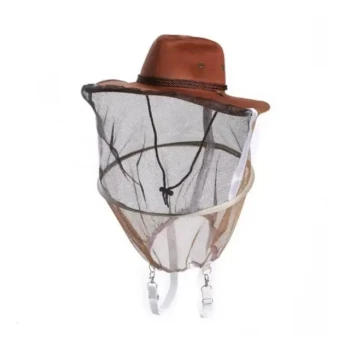
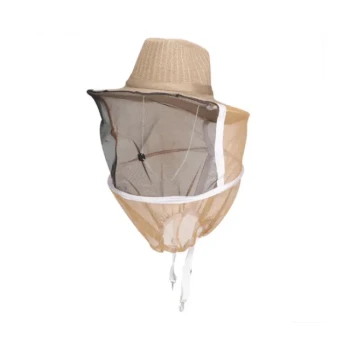
A veil creates a physical separation between the beekeeper and the bees. This is particularly important around the face, eyes, ears, and neck, where a sting can cause pain, distraction, or a serious medical reaction.
Because the veil maintains visibility while blocking direct contact, the beekeeper can continue examining frames and manipulating equipment without repeatedly stopping to protect the face.
The two tools create operational continuity
The smoker helps prevent agitation before it spreads through the colony. The veil provides confidence and protection if individual bees still approach or attempt to sting.
This combination allows beekeepers to work more calmly and precisely, reducing sudden movements, accidental crushing of bees, and interruptions that can prolong hive exposure.
Why This Combination Improves Apiary Efficiency
Faster inspections and harvesting
A calmer colony is easier to inspect, split, or harvest. Beekeepers can handle brood chambers, frames, and queen-related tasks with fewer defensive interruptions.
For commercial operations, this supports more consistent workflows across multiple hives while minimizing unnecessary disturbance to the colony.
Better operator concentration
Stings and persistent bee activity can cause hesitation or rushed movements. A properly fitted veil reduces this distraction, helping the operator maintain attention on frame placement, queen safety, and hive condition.
The smoker supports that focus by reducing the likelihood of escalating defensive behavior.
Reduced colony disruption
Correctly applied cool smoke is intended to calm rather than overwhelm the colony. Using only the amount needed helps the beekeeper complete the task while limiting unnecessary disruption to bee behavior and hive conditions.
The objective is controlled access, not simply maximum smoke output.
Supporting Equipment and Handling Practices
Full protective clothing completes the system
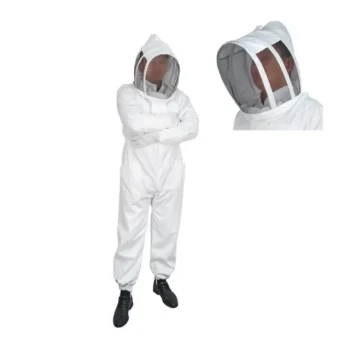
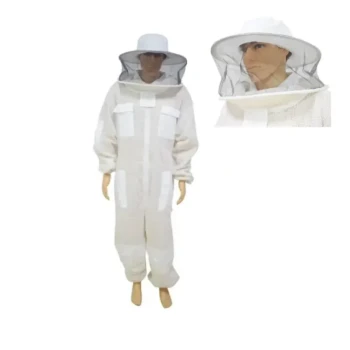
A veil protects the head and neck, but it should be used with appropriate protective apparel such as a bee suit or jacket, gloves, and suitable footwear. These items create a more complete physical barrier against stings.
Breathable fabrics and secure closures are important for extended operations because they help reduce heat buildup while preventing bees from reaching the skin.
Gloves require a balance between protection and dexterity
Gloves provide additional sting protection, particularly when working with defensive colonies. However, excessively bulky gloves can reduce tactile sensitivity and increase the chance of crushing bees.
A suitable glove should provide the required protection without unnecessarily compromising precise frame and tool handling.
Clean protective wear supports safer future visits
Stinging incidents can leave alarm pheromone residues on gloves, veils, and suits. Cleaning protective equipment according to the manufacturer’s instructions helps remove these residues and reduce the risk of provoking defensive behavior during subsequent operations.
Protective equipment should also be checked regularly for tears, loose seams, and gaps around closures.
Understanding the Trade-offs
Smoke is not a substitute for protective equipment
A smoker can reduce defensive behavior, but it cannot guarantee that bees will not sting. Colony temperament, weather, season, hive condition, and handling technique all affect defensive responses.
The veil remains essential even when the colony appears calm.
Excessive smoke can reduce efficiency
Too much smoke may make visibility and hive work more difficult, disturb the colony unnecessarily, or interfere with the beekeeper’s ability to assess natural bee behavior. The most effective practice is controlled application of cool smoke at appropriate points during the task.
Smoker fuel should produce cool, clean smoke rather than excessive heat or irritating fumes.
A veil must fit and remain secure
A loose or poorly fitted veil can allow bees to enter around the neck or face. Mesh condition, ventilation, visibility, and attachment security should be checked before every operation.
Comfort also matters: a veil that causes fogging, restricted vision, or overheating can undermine the efficiency it is intended to provide.
Equipment selection affects commercial performance
For distributors and B2B buyers, product value depends on more than unit price. Reliable smokers, durable veils, consistent sizing, replacement parts, and responsive fulfillment directly affect beekeeper uptime and customer satisfaction.
A supplier with a broad protective-equipment and apiary-consumables portfolio can simplify procurement and reduce delays caused by sourcing products from multiple vendors.
Making the Right Choice for Your Goal
Select equipment as a coordinated safety and workflow system rather than as isolated products.
- If your primary focus is operator safety: Pair a reliable cool-smoke bee smoker with a secure, full-coverage veil and appropriate protective clothing.
- If your primary focus is inspection efficiency: Choose a smoker that is easy to control and a veil that preserves clear vision, ventilation, and comfortable movement.
- If your primary focus is commercial apiary productivity: Standardize compatible smokers, veils, suits, gloves, and replacement components across crews and hive sites.
- If your primary focus is distribution or resale: Source a full-spectrum product range from a supplier that can provide consistent quality, rapid response, dedicated service, and efficient order fulfillment.
When the smoker controls colony defensiveness and the veil protects the operator, beekeepers can work more safely, precisely, and consistently.
Summary Table:
| Tool | Primary Function | Key Benefit |
|---|---|---|
| Bee Smoker | Emits cool smoke to mask alarm pheromones and encourage honey feeding | Reduces colony defensiveness, making inspections safer and less stressful |
| Protective Veil | Provides physical barrier for face and neck | Prevents stings to critical areas, maintaining visibility and focus |
| Both Combined | Manage behavior while protecting operator | Enable faster, safer hive work with minimal colony disruption |
Enhance your apiary safety and efficiency with our premium smoker and veil kits at HONESTBEE. We offer a full spectrum of beekeeping tools and protective gear for commercial apiaries and distributors. Benefit from one-stop sourcing, rapid delivery, and expert support. Contact us today to discuss bulk orders and OEM/ODM options.
Related Products
- White Cotton Beekeeping Jacket and Veil for Bee Keepers
- Premium Cowboy Beekeeper Hat with Visibility Veil Outdoor Professional Beekeeping Protective Gear
- Beekeeper Cowboy Hat and Veil for Beekeeping
- Professional Square Folding Wire Mesh Beekeeping Veil
- Beekeeping Jacket with Hood and Veil for Beekeepers
People Also Ask
- What are the features of an economical beekeeping jacket? Essential Protection for Budget-Conscious Beekeepers
- What are the pros of using a beekeeping jacket? Unlock Superior Comfort and Mobility for Your Apiary
- What factors should a new beekeeper consider when choosing between a jacket and a full suit? Security vs. Comfort
- What are the advantages of a beekeeping jacket? Superior Mobility & Comfort for Routine Hive Inspections
- When is a beekeeping jacket considered a more suitable choice than a full suit? Optimize Your Apiary Mobility