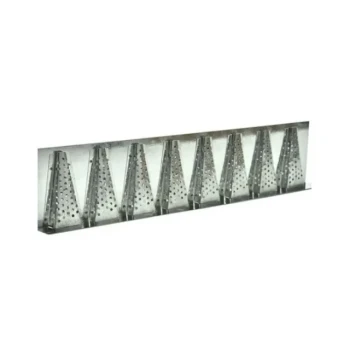
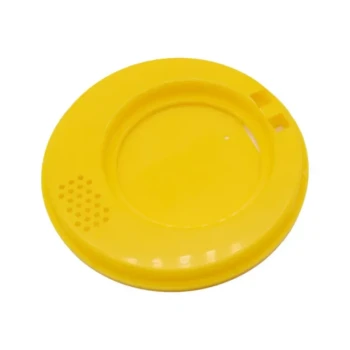
Beehive entrance traps function as a selective mechanical filter. Installed directly at the hive's point of entry, these devices utilize specific mechanical pore structures to physically strip pollen loads from the hind legs of returning foragers. This equipment allows beekeepers to harvest high-quality natural pollen efficiently without causing injury to the bees or significantly depleting the colony’s essential nutritional reserves.
Core Takeaway Entrance traps create a sustainable harvest by stripping only a portion of the incoming pollen, ensuring the colony retains enough resources for its own development. By automating this process with non-destructive physical barriers, beekeepers can collect pure, high-quality pollen while maintaining the health and stability of the hive.
The Mechanics of Sustainable Harvesting
The Physical Barrier System
The core mechanism of an entrance trap is a grid containing specific small apertures. These openings are sized precisely to allow a worker bee to pass through, but narrow enough to obstruct the pollen pellets attached to their legs.
Separation and Collection
As the bee navigates the aperture, the mechanical barrier gently scrapes or dislodges the pollen clusters from the corbiculae (pollen baskets) on the bee's hind legs. Gravity causes these dislodged pellets to fall through a screen into a designated collection box or tray below, separating the harvest from the bees immediately.
Non-Destructive Design
A critical aspect of sustainability is the safety of the workforce. These traps are designed to be non-destructive, enabling high-efficiency collection without interfering with the bee's normal movement or causing physical injury to the insect.
Balancing Yield and Colony Health
Partial Stripping for Survival
Sustainability relies on the trap's design to strip only a portion of the pollen loads. The primary goal is to collect surplus yield for usage as a health food ingredient or for analysis, ensuring the colony still receives the essential nutrition required for brood rearing.
Timing for Optimal Impact
To maximize collection without stressing the colony, traps are often deployed during peak foraging periods, such as between 6:00 AM and 11:00 AM. This strategy aligns with high-traffic times to gather significant volume while allowing the bees to forage freely during other parts of the day.
Ensuring Purity
The mechanical separation process minimizes environmental impurities in the final product. By collecting pollen immediately upon the bee's return, the system ensures the raw material remains clean and suitable for high-quality processing or scientific yield statistics.
Understanding the Trade-offs
Risk of Nutritional Depletion
While traps are designed to be sustainable, leaving them active permanently can endanger the hive. If the colony cannot retain enough pollen, brood development will suffer, potentially weakening the hive population over time.
Device Placement Impact
The location of the trap matters. Bottom-mounted traps typically cause less interference with bee flight frequency compared to top-mounted varieties. They are often more effective for collecting fresh pollen but require careful monitoring to ensure the hive entrance does not become congested.
Making the Right Choice for Your Goal
To utilize beehive entrance traps effectively, align your usage strategy with your specific objectives:
- If your primary focus is Commercial Production: Deploy traps specifically during peak morning foraging hours (6:00 AM – 11:00 AM) to maximize yield volume while reducing impact on the colony.
- If your primary focus is Colony Health & Maintenance: Opt for bottom-mounted traps to minimize flight interference and strictly monitor hive reserves to prevent nutritional deficits.
- If your primary focus is Sample Analysis: Use the trap for short, defined intervals to gather clean samples for botanical origin identification without disrupting long-term hive growth.
Effective pollen harvesting requires viewing the trap not just as a collection tool, but as a management device that must be regulated to protect the resource creators—the bees.
Summary Table:
| Feature | Mechanical Mechanism | Sustainability Benefit |
|---|---|---|
| Aperture Grid | Precise mechanical pore structures | Strips pollen while allowing bees safe passage |
| Collection Tray | Gravity-fed separation | Minimizes impurities and maintains product purity |
| Selective Deployment | Strategic timing (6 AM - 11 AM) | Ensures colony retains enough protein for brood development |
| Mounting Design | Bottom-mounted configurations | Reduces flight congestion and minimizes hive stress |
Elevate Your Commercial Pollen Production with HONESTBEE
Maximize your apiary's efficiency while prioritizing bee welfare with premium equipment from HONESTBEE. As a dedicated partner to commercial apiaries and global distributors, we provide more than just tools—we offer the complete infrastructure for a professional beekeeping operation.
From high-precision beehive entrance traps to advanced honey-filling machines and hive-making hardware, our comprehensive wholesale catalog covers every essential industry consumable and specialized machine. Whether you are scaling a commercial harvest or curating honey-themed cultural merchandise, HONESTBEE delivers the quality and scale your business demands.
Ready to scale your production? Contact us today to explore our wholesale offerings!
References
- Siriwat Wongsiri, Surachai Leepitakrat. Honey bee diversity and beekeeping in Thailand. DOI: 10.1080/0005772x.2000.11099464
This article is also based on technical information from HonestBee Knowledge Base .
Related Products
- Beehive Entrance Discs Plastic Bee Entrance Disc for Bee Hives
- Multi-Functional Sliding Hive Entrance for Beekeeping
- Professional Reversible Beehive Hive Entrance
- Beehive Entrance Reducer Guardian Metal Hive Entrance for Bees
- 30 cm Plastic Entrance Hole Bee Pollen Trap and Collector
People Also Ask
- What is the best entrance for a bee hive? Maximize Colony Health & Honey Production
- What happens if you block the entrance to a bee hive? Avoid This Dangerous Mistake
- How does entrance configuration vary seasonally for beekeepers? A Guide to Year-Round Hive Health
- Why adjust beehive entrance size for humidity? Boost Honey Ripening and Varroa Control in Commercial Apiaries
- How big should a beehive entrance be? Optimize for Colony Health & Honey Production