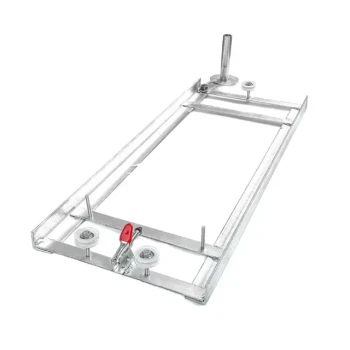
Beehive racks serve as the fundamental infrastructure for modern stingless bee farming, directly bridging the gap between hobbyist setups and professional efficiency. By elevating the hives, these structures solve the immediate physical threats of soil moisture and ground-based predators while simultaneously organizing the apiary to maximize density and streamline workflow.
The core value of a rack system is that it decouples the hive from the environment’s most destructive elements—the ground and its pests. This separation preserves the integrity of wooden equipment and creates a high-density grid that allows a single apiarist to manage significantly more colonies with less physical effort.
The Defensive Architecture of the Apiary
Eliminating Environmental Decay
The primary reference highlights that racks provide critical physical isolation. Placing wooden hives directly on soil accelerates rotting due to constant moisture exposure.
By elevating the hives, racks ensure the structural longevity of your equipment. This is essential for maintaining the tight wood joints and precise structure mentioned in industrial manufacturing standards, preventing gaps that could invite pests or parasites.
Blocking Ground-Based Predators
Stingless bees are vulnerable to specific ground-dwelling threats. Racks act as a physical barrier against predators such as ants and toads, which can easily access and decimate colonies placed at ground level.
This elevation complements the hive's internal defenses. While the hive box protects the bees from weather, the rack protects the box from the ecosystem, securing the colony’s survival.
Facilitating Disease Management
While the hive design allows for internal health inspections, the rack makes these inspections accessible.
A standardized rack system positions hives at an ergonomic height, encouraging more frequent checks. This regularity is vital for early detection of issues and implementing Varroa mite control protocols or managing harvest ratios during rainy seasons to ensure colony survival.
Operational Scaling and Efficiency
Maximizing Yield per Unit Area
Racks function as a space optimization tool. A structured system significantly increases the number of colonies that can be managed within a specific square footage.
For commercial operations, this density is the difference between a backyard project and a viable business. It distinguishes professional producers by ensuring a stable supply for the market without requiring vast tracts of land.
Streamlining Inspection and Harvest
Efficiency in apiculture is defined by how quickly a beekeeper can service a colony. Racks organize hives into predictable arrays.
This standardization reduces the time spent moving between colonies and creates a workflow compatible with mechanized operations. It creates a "factory floor" environment where inspection, feeding, and harvesting become repeatable, rapid tasks rather than unique challenges for every hive.
Understanding the Trade-offs
Initial Infrastructure Cost
Implementing a rack system requires a higher upfront investment compared to placing hives on simple stands or cinder blocks. You are paying for long-term efficiency and equipment protection, but the initial capital expenditure is higher.
Rigidity of Layout
Once a rack system is installed, your apiary layout becomes static. Unlike individual stands, moving a rack often requires moving multiple colonies simultaneously. This rigidity demands careful planning regarding sun exposure and wind direction before installation, as mistakes are harder to correct later.
Making the Right Choice for Your Goal
To maximize the potential of your apiary, align your rack strategy with your specific operational focus:
- If your primary focus is rapid expansion: Prioritize modular rack designs that support standardized spacing, allowing you to easily slot in new split colonies without reconfiguring the entire apiary.
- If your primary focus is equipment longevity: Invest in racks with significant ground clearance (18+ inches) and durable footing to ensure maximum airflow and complete isolation from soil moisture and splash-back during rain.
Ultimately, a beehive rack is not just a stand; it is an asset protection system that secures your biological inventory and structures your daily workflow.
Summary Table:
| Feature | Operational Benefit | Protection Benefit |
|---|---|---|
| Elevation | Ergonomic height for faster inspections | Prevents soil moisture rot & toad attacks |
| Grid Layout | Maximizes hive density per square foot | Creates a barrier against ground-dwelling ants |
| Standardization | Enables repeatable, mechanized harvests | Ensures structural integrity of wooden joints |
| Accessibility | Simplifies disease & pest monitoring | Enhances airflow to reduce fungal growth |
Scale Your Apiary Operations with HONESTBEE
Transitioning from a hobbyist setup to a high-yield commercial apiary requires professional-grade infrastructure. At HONESTBEE, we empower commercial apiaries and distributors with the robust tools needed to succeed. From precision-engineered hive-making and honey-filling machinery to a full spectrum of durable beekeeping equipment and consumables, we provide the hardware that secures your biological inventory and maximizes your yield.
Why partner with HONESTBEE?
- Wholesale Excellence: Comprehensive equipment portfolios for large-scale operations.
- Industrial Efficiency: Tools designed to streamline your workflow and reduce labor costs.
- Global Supply: A reliable partner for distributors seeking high-quality industry consumables.
Ready to optimize your production and protect your investment? Contact us today to explore our wholesale solutions!
References
- Ramdiawan Ramdiawan, Narita Amni Rosadi. Contribution of Trigona Honey Bee Business (Trigona sp) to Farmers' Income in Bengkaung Village, West Lombok Regency. DOI: 10.56457/kompartemen.v1i2.424
This article is also based on technical information from HonestBee Knowledge Base .
Related Products
- Wooden Bee Hive Frames for Beekeeping and Wholesale
- Assembled Wooden Bee Frames with Plastic Foundation for Durability and Convenience by HONESTBEE
- Plastic Bee Frame Beekeeping Hive Frames for Wholesale
- Heavy-Duty Stainless Steel Clip-On Frame Perch
- Metal Hive Feet Bee Hive Stand for Ant Protection
People Also Ask
- How do wooden and plastic hive frames compare in terms of durability? Wood vs. Plastic Longevity & Repairability
- How does balancing the number of frames impact hive productivity? Optimize Your Apiary's Biological Output
- What are the main considerations when choosing between wooden and plastic bee hive frames? Optimize Your Apiary's Efficiency
- How should beehive frames be maintained to prolong their lifespan? 5 Pro Tips for Durable Beekeeping Equipment
- What are frames and combs used for in beekeeping? The Foundation of Modern Hive Management