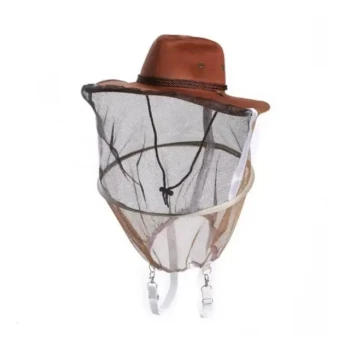
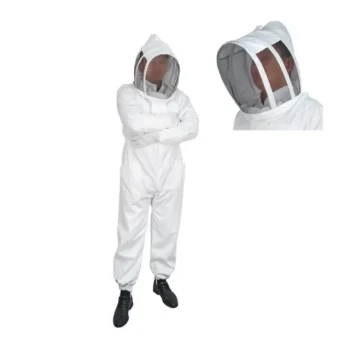
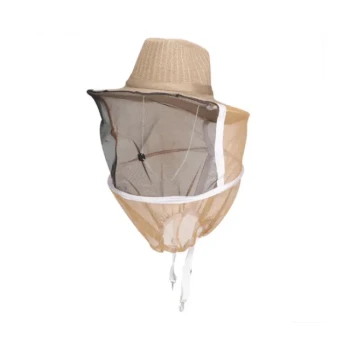
High-performance beekeeping tools and durable protective equipment serve as the operational backbone of professional pollination services. These specialized assets enable technicians to execute frequent, high-intensity colony inspections without compromising safety or speed. By guaranteeing the physical protection of the workforce and the efficiency of hive management, this equipment ensures the continuity of operations required to fulfill strict agricultural contracts and maximize crop yields.
Core Takeaway: Professional pollination is a logistics-heavy industrial process, not just an agricultural art. Specialized equipment transforms this process by allowing aggressive management schedules and precise biological monitoring, ensuring that colonies remain potent and productive exactly when the crops require them.
Ensuring Operational Continuity Through Safety
Creating a Safe Environment for High-Intensity Work
Professional pollination contracts require beekeepers to work quickly and frequently, often under time pressure. High-performance protective suits and veils establish a robust physical barrier against stings.
This protection allows personnel to focus entirely on the task at hand rather than the risk of injury. It enables the execution of maintenance tasks during high-intensity cycles, ensuring that operations do not stall due to safety concerns.
Facilitating Fine Motor Control
Safety gear is often viewed solely as armor, but in professional settings, it is also a precision tool. Modern protective equipment is designed to allow for precise movements and fine motor skills.
This dexterity is critical when opening hives or lifting frames. It allows technicians to work without crushing bees or inciting defensive behavior, ensuring the apiary remains calm and manageable.
Optimizing Colony Health and Performance
Enabling Scientific Management and Disease Control
To meet pollination standards, colonies must be biologically robust. Professional tools allow for non-invasive inspections and precise monitoring of pests and diseases.
By facilitating frequent checks, beekeepers can collect accurate data and make scientific management decisions. This capability is vital for addressing threats like Colony Collapse Disorder (CCD) and administering timely treatments to maintain workforce vitality.
Enhancing Hive Infrastructure
The physical structure of the hive plays a direct role in pollination efficiency. Modern beehive systems provide a stable nesting environment that encourages strong foraging motivation.
High-quality facilities support a higher density of bees compared to substandard equipment. This results in higher attendance rates on crops during peak flowering periods, directly influencing agricultural output.
Logistics and Environmental Adaptation
Mobility and Rapid Deployment
Pollination is often a mobile service that requires chasing the bloom. Modern mobile beehives are specifically engineered for easy loading and long-distance transport.
When paired with professional relocation equipment, colonies can be moved precisely to match crop flowering windows. This mobility allows bees to service field crops, horticulture, and hybrid seed production effectively across different locations.
Adapting to Weather and Climate
Field conditions are rarely ideal. Professional gear and consumables enable personnel to work through various and changing weather conditions.
This operational flexibility allows technicians to respond immediately to climate warnings. Whether it involves relocating colonies or securing hives, the right equipment ensures the insects are preserved to provide continuous service.
Understanding the Operational Trade-offs
Capital Investment vs. Operational Efficiency
While high-performance tools significantly increase labor efficiency and lower the difficulty of management, they represent a substantial upfront capital investment.
Transitioning from traditional to professional production requires acknowledging these costs. However, the return is realized through reduced honey loss, minimized labor hours, and the ability to secure higher-value pollination contracts.
Reliance on Maintenance
Advanced equipment, such as stainless steel extractors or mobile hive systems, requires its own maintenance schedule. Equipment downtime can be just as disruptive as colony health issues.
Reliability in the field depends on the regular upkeep of these tools. A failure in transport equipment or protective gear during a critical bloom window can jeopardize contract fulfillment.
Making the Right Choice for Your Goal
To select the right equipment strategy for your operation, consider your primary business objective:
- If your primary focus is Contract Reliability: Prioritize high-performance protective gear and mobile hive systems to ensure your team can inspect and move colonies regardless of weather or bee defensive behavior.
- If your primary focus is Biological Vitality: Invest in precision inspection tools and superior hive infrastructure to maximize foraging density and minimize the stress of pest management.
- If your primary focus is Operational Scalability: Focus on efficiency tools like electric uncapping knives and specialized transport equipment to reduce the labor-hours required per hive.
Ultimately, the quality of your equipment dictates the consistency of your service; in professional pollination, predictability is the product.
Summary Table:
| Feature | Impact on Pollination Services | Key Benefit |
|---|---|---|
| High-Performance Suits | Ensures safety during high-intensity inspections | Operational continuity and speed |
| Precision Tools | Facilitates non-invasive health monitoring | Scientific disease control & vitality |
| Mobile Hive Systems | Engineered for rapid deployment and transport | Precise alignment with crop bloom |
| Modern Infrastructure | Provides stable, high-density nesting | Maximized foraging and crop yields |
| Durable Machinery | Reduces labor-hours per hive | Improved scalability and ROI |
Elevate Your Commercial Pollination Standards with HONESTBEE
In the professional pollination industry, predictability and efficiency are your most valuable products. HONESTBEE empowers commercial apiaries and distributors with the high-performance tools necessary to fulfill strict agricultural contracts and maximize yields.
From durable protective gear and precision inspection tools to industrial-grade hive-making and honey-filling machinery, we provide a comprehensive wholesale portfolio designed for the rigors of large-scale beekeeping. Whether you are scaling your operation or supplying the industry, our equipment ensures your colonies remain productive exactly when the crops need them most.
Ready to optimize your fleet and equipment?
Contact HONESTBEE Today for Wholesale Solutions
References
- Krzysztof Różański. Aspectos jurídicos del apoyo a la actividad de la apicultura a la luz del derecho de la Unión Europea y de determinados estados miembros. DOI: 10.17561/rej.n21.6771
This article is also based on technical information from HonestBee Knowledge Base .
Related Products
- Premium Cowboy Beekeeper Hat with Visibility Veil Outdoor Professional Beekeeping Protective Gear
- White Cotton Beekeeping Jacket and Veil for Bee Keepers
- Beekeeping Jacket with Hood and Veil for Beekeepers
- Premium Cotton Beekeeper Suit with Reinforced Fencing Veil
- Beekeeper Cowboy Hat and Veil for Beekeeping
People Also Ask
- What design features contribute to the stability and fit of the beekeeper hat? Key Features for Maximum Hive Safety
- How is the beekeeper hat designed for comfort and practicality? Explore Key Features for Enhanced Apiary Safety
- What is the general protective gear recommendation for new beekeepers? Your Essential Beginner's Safety Guide
- How does beekeeping protective gear facilitate the queen bee selection process? Enhancing Precision in Queen Breeding
- What should beekeepers consider when choosing protective gear? A Guide for Maximum Safety & Comfort