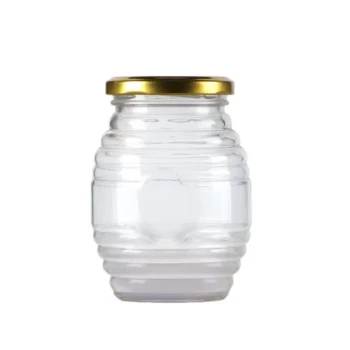
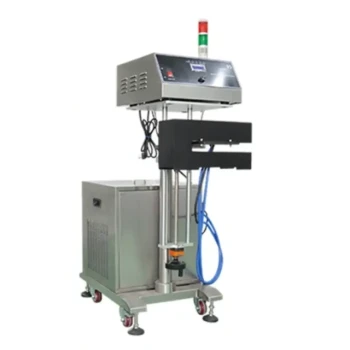
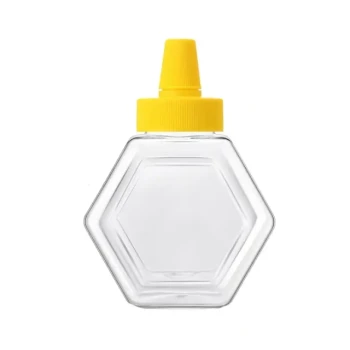
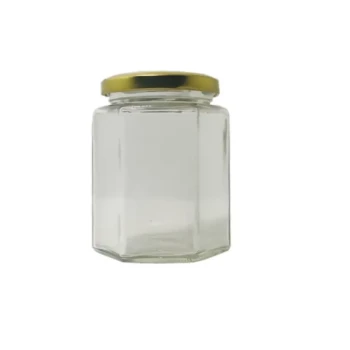
High-performance sealing caps act as the definitive guardian of honey quality during the packaging workflow. Their primary function is to create a robust physical barrier that prevents external moisture from entering the container, thereby stopping fermentation, while simultaneously blocking environmental contaminants to preserve the honey's natural, minimally processed state.
By effectively isolating the product from the environment, high-performance sealing turns a simple container into a long-term preservation system, ensuring the honey's stability from the filling line to the consumer's table.
The Critical Role of Moisture Control
Combating Hygroscopic Properties
Honey is naturally hygroscopic, meaning it actively absorbs moisture from the surrounding air. If the packaging seal is weak, the honey will pull in water vapor from the environment.
Preventing Fermentation
When honey absorbs excess moisture, the water content rises to levels that allow yeast to thrive. High-performance caps prevent this ingress, eliminating the risk of fermentation and spoilage that destroys product value.
Maintaining Low Moisture Content
Professional filling equipment ensures honey is packaged with specific low moisture levels. The sealing cap locks this state in, preserving the original viscosity and quality achieved during filtration.
Ensuring Hygiene and Physical Integrity
Blocking Environmental Contaminants
A high-performance seal creates a hermetic barrier against dust, debris, and other physical pollutants. This is essential for maintaining the hygiene standards expected of a premium, natural food product.
Reducing Oxidation Risks
Beyond solid contaminants, a proper seal prohibits the free exchange of air. Limiting oxygen exposure helps effectively isolate the honey, slowing down oxidation processes that can degrade flavor and color over time.
Defense Against Adulteration
Intact, high-quality seals serve as proof of product integrity. They assure the consumer that the product has not been illegally opened, adulterated, or compromised before purchase.
Logistics and Market Presence
Stability During Transport
For producers utilizing 250g or 500g units, especially for international export, airtight integrity is non-negotiable. High-performance caps withstand the rigors of long-distance transport without leaking or loosening.
Enhancing Shelf Appeal
While function is paramount, the primary reference notes that cap material and color play a vital role in aesthetics. A well-designed cap contributes to the overall shelf presence, signaling quality to the consumer.
Understanding the Trade-offs
Equipment Precision Requirements
Achieving a high-performance seal is not just about the cap itself; it requires precise application. You must invest in equipment capable of accurate torque control or induction heat sealing to ensure the barrier is effective.
Cost vs. Security
Implementing high-grade induction sealing or vacuum-tight closures involves higher initial equipment and material costs than basic closures. However, this cost is often offset by the reduction in product loss due to spoilage or leakage.
Making the Right Choice for Your Goal
To select the best sealing strategy for your specific operation, consider your primary objectives:
- If your primary focus is Long-Distance Export: Prioritize induction sealing technologies that offer maximum airtightness to withstand pressure changes and handling during shipping.
- If your primary focus is Brand Aesthetics: Select cap materials that align with your visual identity, but ensure they are compatible with liners that provide a true moisture vapor barrier.
- If your primary focus is Consumer Trust: Implement tamper-evident sealing solutions that provide visible proof of hygiene and safety.
Ultimately, the cap is not merely a closure; it is the technical component that secures your product's reputation for purity and longevity.
Summary Table:
| Feature | Protection Mechanism | Impact on Honey Quality |
|---|---|---|
| Moisture Barrier | Prevents hygroscopic absorption | Stops fermentation and maintains viscosity |
| Hermetic Seal | Blocks air and dust ingress | Reduces oxidation and maintains hygiene |
| Tamper Evidence | Provides physical proof of integrity | Prevents adulteration and builds consumer trust |
| Structural Durability | Withstands transport rigors | Eliminates leakage during international export |
Secure Your Honey Quality with HONESTBEE’s Expert Solutions
At HONESTBEE, we understand that the right seal is critical to your brand's reputation. As a specialist partner for commercial apiaries and distributors, we provide more than just components; we offer a total quality assurance system.
Our comprehensive wholesale range includes:
- Precision Machinery: Hive-making and honey-filling machines designed for seamless integration with high-performance closures.
- Beekeeping Equipment: A full spectrum of professional tools and consumables to maintain quality from hive to jar.
- Premium Merchandise: Specialized hardware and honey-themed cultural goods to elevate your market presence.
Whether you are scaling up production or optimizing your export packaging, our team is ready to supply the tools and expertise you need.
Contact HONESTBEE today to optimize your packaging workflow
References
- Adam Roman, Katarzyna Roman. Factors influencing consumer behavior relating to the purchase of honey part 2. Product quality and packaging. DOI: 10.2478/jas-2013-0027
This article is also based on technical information from HonestBee Knowledge Base .
Related Products
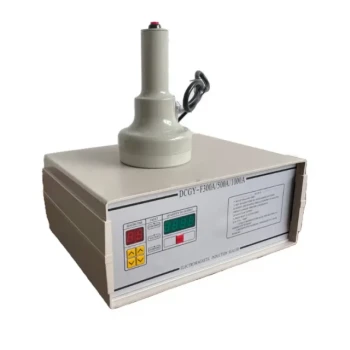
- Handheld Induction Sealing Machine for Tamper Evident Packaging
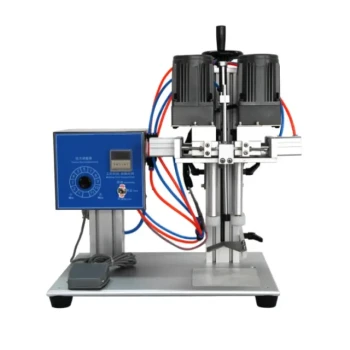
- Semi-Automatic Pneumatic Bottle Capping Machine by HONESTBEE
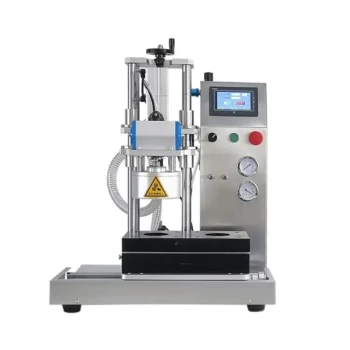
- Semi-Automatic Vacuum Capping Machine with Pneumatic Control for Glass Jars
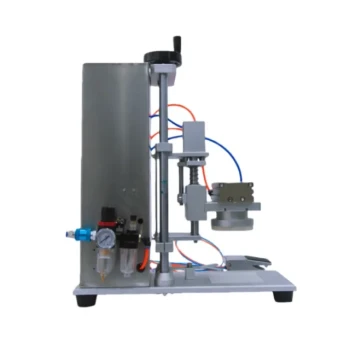
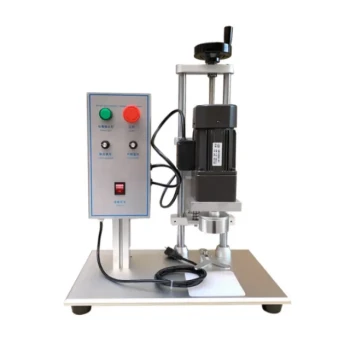
- HONESTBEE Professional Benchtop Pneumatic Bottle Capping Machine Capper
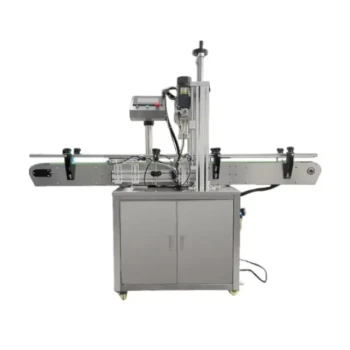
- Automatic Inline Spindle Bottle Capping Machine for Honey Production
People Also Ask
- How does tamper-evident sealing equipment benefit the honey trade? Ensure Product Integrity and Market Trust
- What is the function of an induction sealing machine in packaging? Secure Your Brand with Tamper-Evident Seals
- How does the induction sealing process work? Create Tamper-Evident, Airtight Seals for Your Products
- How does an induction sealing machine work? Enhance Honey Packaging with Hermetic Seals & Tamper Evidence
- What is an induction sealing machine and how does it work? Achieve Airtight, Tamper-Evident Seals