High-quality artificial queen cell cups and precision grafting needles serve as the foundational instruments for controlled queen rearing. They function by allowing beekeepers to safely transfer worker bee larvae of a specific age into a simulated queen environment. By preventing physical damage during this delicate transplantation, these tools enable the large-scale replication of superior maternal genetics and ensure the consistent production vitality of an apiary.
The Core Takeaway While natural queen rearing is often unpredictable, these specialized tools introduce industrial precision to biological processes. They allow apiarists to decouple queen production from the hive’s natural impulse, enabling the systematic mass production of genetically superior, physically robust queens and high-value royal jelly.
The Mechanics of Precision Rearing
Simulating the Natural Environment
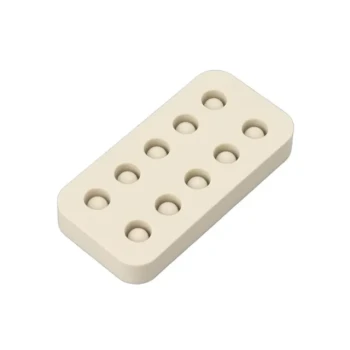
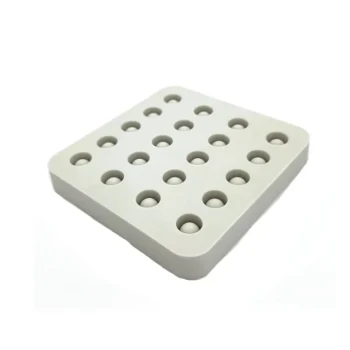
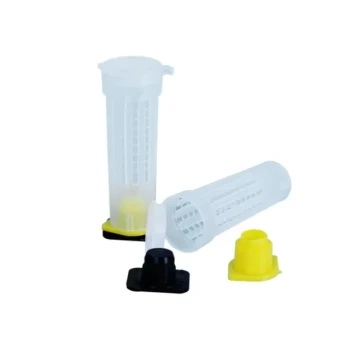
The primary function of artificial queen cell cups—whether made of standardized plastic or wax—is to mimic the physical structure of a natural queen cell.
This simulation is critical because it induces worker bees (nurse bees) to accept the transplanted larvae as future queens.
Once accepted, the nurse bees are triggered to secrete large quantities of royal jelly to feed the larvae, providing the necessary nutritional environment for queen development.
Minimizing Mechanical Damage
Larvae selected for grafting are incredibly fragile, typically ranging from 12 to 24 hours old.
Precision grafting needles are designed with specialized tips to lift these delicate larvae without causing physical trauma.
A high-quality needle also allows the beekeeper to transfer a small amount of native royal jelly along with the larva, which significantly improves acceptance and survival rates.
Scaling Genetic Consistency
Beyond simple reproduction, these tools are the mechanism for genetic quality control.
By manually selecting larvae from a superior maternal line and transferring them into artificial cups, beekeepers can "clone" the traits of their best performers across the entire apiary.
This results in queens that are often heavier and stronger than those developed naturally, ensuring the timely replacement of older queens with vigorous successors.
Understanding the Trade-offs
The Human Element
While the tools are precise, the process remains highly dependent on manual skill.
Even with the best grafting needles, a lack of dexterity can damage larvae or fail to transfer enough royal jelly, plummeting the success rate. These tools do not automate the process; they merely make it possible for a skilled technician to execute it.
Timing is Absolute
The effectiveness of these tools is strictly bound by biological timing.
You must transfer larvae at a specific age (often less than 24 hours old) to ensure high queen quality. Using these tools on older larvae will result in queens with inferior egg-laying capacity, regardless of the equipment quality.
Making the Right Choice for Your Goal
If your primary focus is Genetic Improvement: Prioritize precision needles that minimize handling stress to ensure you can successfully replicate your best maternal lines without loss.
If your primary focus is Royal Jelly Production: Focus on standardized artificial cups that maximize the volume of jelly secretion by simulating the optimal space for nurse bee activity.
If your primary focus is Apiary Expansion: Utilize grafting frames with durable plastic cups to manage dozens of queen cells in a modular, scalable production cycle.
Success in queen rearing is not just about having the right tools, but using them to impose order and consistency on a naturally variable biological process.
Summary Table:
| Tool Type | Key Function | Primary Benefit |
|---|---|---|
| Artificial Cell Cups | Mimics natural queen cells | Triggers nurse bees to secrete abundant royal jelly |
| Grafting Needles | Safe larval transplantation | Prevents physical trauma to delicate 12-24h old larvae |
| Grafting Frames | Modular cell management | Enables systematic mass production of superior queens |
| Royal Jelly Transfer | Nutritional buffering | Increases acceptance and survival rates of transplanted larvae |
Elevate Your Apiary's Productivity with HONESTBEE
At HONESTBEE, we specialize in empowering commercial apiaries and distributors with the professional-grade equipment necessary for elite-level queen rearing. Our comprehensive wholesale catalog includes precision grafting tools, durable cell cups, and industrial hive-making machinery designed to streamline your operations.
Whether you are looking to scale your queen production or optimize royal jelly yields, we provide the hardware and consumables to ensure your success. Contact us today to discuss how our specialized beekeeping solutions can strengthen your maternal genetics and drive your business growth!
References
- T. Blacquière, Delphine Panziera. A Plea for Use of Honey Bees’ Natural Resilience in Beekeeping. DOI: 10.1080/0005772x.2018.1430999
This article is also based on technical information from HonestBee Knowledge Base .
Related Products
- Clear Black Plain Polystyrene Queen Bee Grafting Cell Cups No Lug for Bee Queen Cup
- Black 2 Pack Beekeeper Queen Grafting Tool for Bee Queen Larva Transferring Needle
- Brown Nicot Queen Cell Cups for Breeding Queen Bees Beekeeping
- 10-Cell Silicone Beeswax Bee Queen Cups Forming Mold
- Premium Nicot Style Cell Bar Holder and Queen Cell Cup Holder System
People Also Ask
- What materials are used to make artificial queen cell cups for grafting? Beeswax vs. Plastic Guide
- What role do specialized queen rearing tools play in developing mite-resistant honeybee stock? Master Genetic Selection
- What roles do specialized queen cell cups play in royal jelly production? Optimize Your Hive's Secretion and Yield
- What types of cell cups are commonly used in grafting? Plastic vs. Wax for Queen Rearing Success
- Why is a diluted royal jelly solution applied to queen cell cups? Boost Acceptance in Artificial Grafting