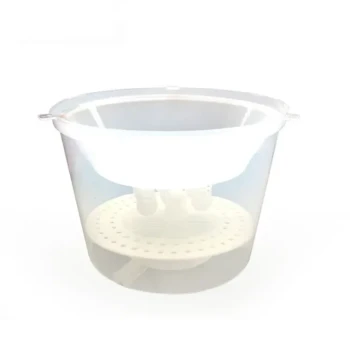
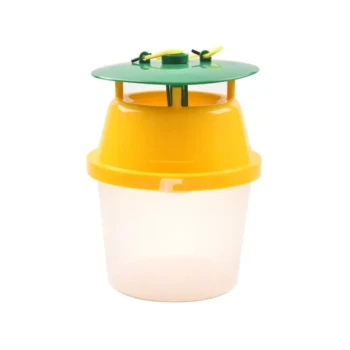
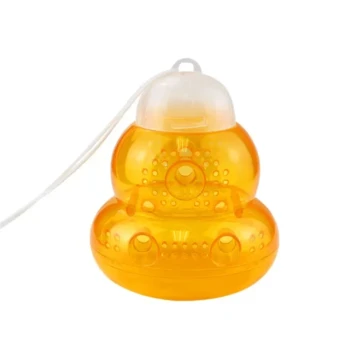
Hive beetle traps function by exploiting the pest's natural instinct to hide from worker bee aggression. By simulating deep crevices and dark sanctuaries, these physical devices lure Small Hive Beetles away from the honeycomb and into confinement. Placed strategically between hive frames or on bottom boards, they utilize bait or barriers to capture adult beetles, effectively reducing the internal pest population without chemical intervention.
By mechanically removing secondary pests, these traps significantly reduce the defensive workload on worker bees and clarify the diagnostic picture regarding overall colony health.
The Mechanics of Capture
Exploiting Evasion Instincts
Small Hive Beetles naturally seek shelter to escape worker bee aggression. Traps are designed to mimic these "safe" crevices, drawing beetles into dark, tight spaces that the larger bees cannot access.
Physical Confinement
Once inside, the beetles are trapped by physical barriers or bait mechanisms. This containment prevents them from returning to the comb, thereby stopping them from damaging critical resources like bee bread and larvae.
Strategic Placement
To be effective, these hardware components are placed where beetles naturally congregate. Common locations include the spaces between frames or directly on the bottom boards, ensuring the device intercepts the pests as they move through the hive.
Strategic Benefits for the Colony
Reducing Defensive Stress
A high beetle population forces worker bees into a constant defensive state. Traps lower this defensive workload, allowing the colony to redirect energy toward foraging, brood rearing, and general maintenance.
Preventing Colony Absconding
Severe infestations can cause such high stress that a colony will abandon the hive entirely. By keeping beetle numbers low, these traps minimize the infestation stress that typically triggers this drastic absconding behavior.
Clarifying Colony Diagnostics
Traps serve as a monitoring tool that helps isolate Varroa mites as the primary health variable. By suppressing the "noise" of a beetle infestation, beekeepers can ensure that observations of colony decline are not skewed by secondary pests.
Understanding the Operational Trade-offs
Management vs. Eradication
These traps are physical control devices, not a cure-all. They are designed to manage and reduce populations to tolerable levels, but they require active monitoring and are considered "consumables" that may need maintenance or replacement.
Specificity of Control
While effective against beetles, these devices do not address other threats. They function to isolate variables, meaning their use is part of a broader strategy to distinguish beetle damage from viral issues or Varroa mite impacts, rather than solving all colony health issues.
Making the Right Choice for Your Goal
To effectively utilize hive beetle traps, align their use with your specific management objectives:
- If your primary focus is Colony Stability: Implement traps to decrease the defensive burden on worker bees and prevent stress-induced absconding.
- If your primary focus is Health Monitoring: Use traps to mechanically suppress beetle populations, ensuring that any signs of colony decline can be accurately attributed to primary factors like Varroa mites.
By integrating physical traps, you transform beetle management from a reactive crisis into a proactive routine that safeguards colony resources.
Summary Table:
| Feature | Mechanism | Benefit to Colony |
|---|---|---|
| Design | Mimics dark crevices/tight spaces | Lures beetles away from frames and honey |
| Placement | Between frames or on bottom boards | Intercepts pests in high-traffic areas |
| Action | Physical confinement/barriers | Stops damage to bee bread and larvae |
| Strategic Role | Population suppression | Reduces worker bee stress and prevents absconding |
| Monitoring | Isolates secondary pest variables | Simplifies diagnosis of Varroa mites and health |
Scale Your Apiary Success with HONESTBEE
At HONESTBEE, we understand that commercial success in beekeeping requires precision, efficiency, and the right hardware. As a premier provider for commercial apiaries and global distributors, we offer a comprehensive wholesale range of professional-grade beekeeping tools, hive-making machinery, and honey-filling equipment.
Whether you are looking to outfit a large-scale operation or supply your local market with essential consumables and honey-themed merchandise, our portfolio is designed to enhance your productivity.
Partner with HONESTBEE to streamline your operations and secure your colony health.
Contact our wholesale experts today to discuss your equipment needs.
References
- Natalia Bulacio Cagnolo, Karina Antúnez. Current status of the small hive beetle Aethina tumida in Latin America. DOI: 10.1007/s13592-023-00995-0
This article is also based on technical information from HonestBee Knowledge Base .
Related Products
- Black Plastic Beetle Barn Hive Beetle Trap for Beehives
- Removable Washable Hive Beetle Trap Attractants for Small Hive Beetles
- Reusable Aluminium Beetle Trap for Small Hive Beetles Silver Bullet
- Reusable Clear Small Hive Beetle Traps for Beehives Beetle Trapping Tools
- Plastic Beetle Blaster Trap Beekeeping Tools and Supplies
People Also Ask
- How should powdered substances be used in beetle traps for hive beetle control? Expert Guide for Maximum Colony Protection
- What are the three main types of hive beetle traps? Expert Solutions for Protecting Your Bee Colonies
- What are the types of hive beetle traps available? Master Your Beetle Control Strategy
- What are the main types of hive beetle traps available? A Beekeeper's Guide to Effective Control
- What mechanical methods can be used to manage small hive beetles? Effective Physical Solutions for Your Beehive