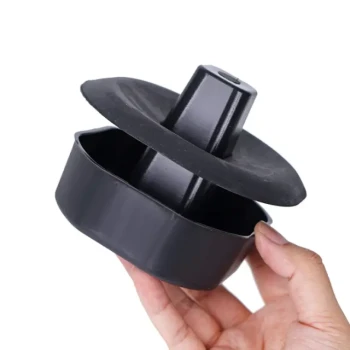
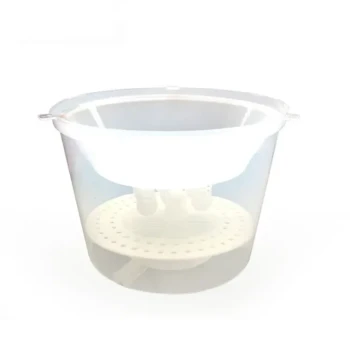
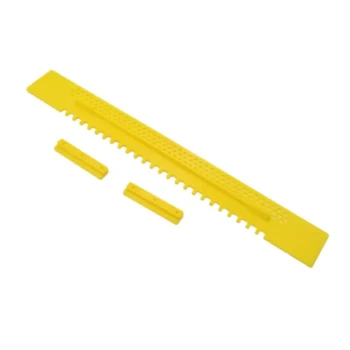
Hive stand beetle traps function by modifying the hive's bottom architecture to create a designated kill zone for pests. These devices typically utilize wooden spacers to elevate the hive body, creating room for a reservoir filled with oil that captures and drowns adult small hive beetles. Maintenance requires a disciplined schedule of inspecting the trap every one to two weeks to remove debris and replace the oil, ensuring the trap remains an effective barrier rather than a neglected hazard.
Core Insight: While these traps are highly effective at intercepting adult beetles during active seasons like late spring and fall, they are strictly a mechanical control for adults and do not address larvae or eggs. Success depends on regular monitoring and integrating the trap into a broader hive management strategy.
The Mechanical Operation
Creating the Physical Trap
Hive stand traps are integrated directly into the hive's structure, often altering the standard bottom board setup. Wooden spacers are generally used to lift the hive boxes, creating a specific gap that accommodates the trap mechanism without compromising the bees' security.
Exploiting Beetle Behavior
The trap works by leveraging the natural instincts of the small hive beetle. Beetles instinctively seek refuge from aggressive guard bees, often attempting to hide in crevices or move toward the bottom of the hive.
The Kill Mechanism
Traps are filled with oil, which acts as both a lure and a killing agent. The design includes thin slots that function as a filter: they are large enough for beetles to enter but too small for bees to pass through. Once the beetle enters the trap seeking safety or bait, it falls into the oil and is unable to escape, eventually drowning.
Essential Maintenance Protocols
Inspection Schedule
Consistency is critical for efficacy. You must inspect the traps every one to two weeks, particularly during peak beetle activity. Neglected traps can become filled with dead beetles, reducing their effectiveness and potentially attracting other pests.
Cleaning and Refilling
During your inspection, remove any accumulated debris or beetle carcasses from the oil reservoir. If the oil has become rancid or overly contaminated, it must be replaced entirely to maintain the trap's functionality.
Responsible Disposal
The used oil constitutes waste that must be handled carefully. Do not dump it on the ground near the apiary; instead, dispose of it in an environmentally responsible manner to prevent soil contamination or attracting scavenger pests.
Understanding the Trade-offs
Lifecycle Limitations
It is vital to understand that these traps target adult beetles only. They do not capture larvae or eggs. If a female beetle bypasses the trap and lays eggs in the comb, the trap alone will not prevent the resulting slime out and fermentation of honey.
Seasonal Efficacy
The primary reference indicates these traps are optimal during late spring or fall. During these periods, beetles are active and moving; conversely, during winter clustering or extreme heat, beetle movement patterns change, potentially rendering the trap less effective.
Operational Overhead
Unlike passive treatments, these traps add a layer of physical labor to your apiary management. You must physically access the bottom of the stack or the stand mechanism regularly, which can be demanding depending on your hive configuration.
Making the Right Choice for Your Goal
To get the most out of hive stand beetle traps, align their usage with your specific management objectives:
- If your primary focus is Seasonal Prevention: Install traps in late spring to intercept the initial wave of beetles before they establish a strong population in the summer.
- If your primary focus is Infestation Management: Combine these traps with strong colony genetics and reduced hive space, as traps alone cannot resolve an established larval infestation.
Success with hive stand traps comes not just from installation, but from the discipline of regular maintenance.
Summary Table:
| Feature | Specification/Requirement |
|---|---|
| Mechanism | Mechanical oil-reservoir trap with beetle-sized slots |
| Target Pest | Adult Small Hive Beetles (SHB) |
| Maintenance Frequency | Every 1 to 2 weeks during active seasons |
| Optimal Usage Periods | Late spring and fall |
| Consumables Needed | Replacement oil (vegetable or mineral based) |
| Key Limitation | Does not target larvae or eggs; requires manual cleaning |
Maximize Your Colony Productivity with HONESTBEE
Efficient beetle management is essential for large-scale success. At HONESTBEE, we specialize in supporting commercial apiaries and distributors with high-performance beekeeping tools and machinery.
Our comprehensive wholesale offering includes:
- Advanced Equipment: Hive-making and honey-filling machines for high-volume operations.
- Durable Hardware: Precision-engineered hive components and professional-grade beekeeping tools.
- Essential Consumables: A wide array of supplies to keep your apiary running smoothly year-round.
Whether you are scaling your commercial operation or stocking for distribution, we provide the industrial-strength solutions you need to protect your bees and grow your business.
Ready to elevate your apiary infrastructure? Contact us today to discuss our wholesale solutions and how we can support your growth.
Related Products
- Black Plastic Beetle Barn Hive Beetle Trap for Beehives
- Removable Washable Hive Beetle Trap Attractants for Small Hive Beetles
- Reusable Clear Small Hive Beetle Traps for Beehives Beetle Trapping Tools
- Reusable Aluminium Beetle Trap for Small Hive Beetles Silver Bullet
- Plastic Beetle Blaster Trap Beekeeping Tools and Supplies
People Also Ask
- How should powdered substances be used in beetle traps for hive beetle control? Expert Guide for Maximum Colony Protection
- What are the three main types of hive beetle traps? Expert Solutions for Protecting Your Bee Colonies
- What are the types of hive beetle traps available? Master Your Beetle Control Strategy
- What are the main types of hive beetle traps available? A Beekeeper's Guide to Effective Control
- What mechanical methods can be used to manage small hive beetles? Effective Physical Solutions for Your Beehive