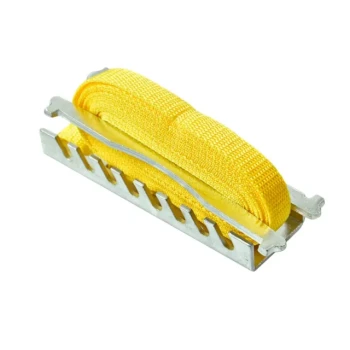
Hive Dividers function as mechanical refuge traps designed to exploit the Small Hive Beetle's (SHB) natural survival instincts. By placing these dividers—typically made of wood, felt, cardboard, or corrugated plastic—between the hive wall and the outermost frames, beekeepers create a specific "safe zone" that attracts beetles looking to escape light and worker bee harassment. This concentrates the pests in a single, accessible location, allowing for rapid detection without the need to dismantle the entire brood nest.
Core Insight: The Hive Divider is not just a barrier; it is a behavioral trap. By leveraging the beetle's photophobia (fear of light) and need for tight crevices, it converts a difficult, hive-wide search into a targeted, non-intrusive glance, significantly reducing inspection time while increasing detection accuracy.
The Biological Mechanism
Exploiting Evasive Behavior
Small Hive Beetles are naturally harassed by worker bees. To survive, the beetles actively seek out refuge areas where bees cannot reach them. The divider creates a physical gap that mimics these safe havens, tricking the beetles into congregating there.
Leveraging Photophobia
SHB adults and larvae are photophobic, meaning they instinctively flee from light toward dark areas. The narrow space created between the divider and the hive wall provides the darkness the beetles crave, effectively drawing them away from the more complex structures of the comb.
Operational Implementation
Strategic Placement and Materials
To be effective, the divider must be placed specifically between the hive wall and the outermost frame. Common materials include wood, felt, and cardboard, though corrugated plastic sheets are also used for their multi-cavity structure that mimics natural crevices.
The 48-Hour Protocol
These tools do not work instantaneously. For accurate monitoring, the divider should be installed at least 48 hours prior to inspection. This incubation period allows sufficient time for the beetles to flee the colony's interior and settle into the trap.
Operational Advantages
Enhanced Detection Speed
Using the Mobile Divider method is significantly faster than standard official methods. Data indicates it can reduce the time required for a single hive inspection by approximately 25 seconds, a substantial saving for commercial operations.
Early Warning Capability
Beetles are elusive during the initial stages of an invasion and are easily missed during visual comb inspections. Dividers expose these low-level populations early, acting as a warning system before a full-scale outbreak or "slime out" occurs.
Non-Intrusive Workflow
Checking a divider does not disrupt the colony's core activities. Beekeepers can monitor pest levels without interfering with standard management tasks, such as checking feed reserves or assessing queen cell development.
Understanding the Trade-offs
Reliance on Preparation
The primary limitation of this method is the requirement for foresight. Because the tool relies on beetle movement over time, it cannot be used for "spot checks" on hives that were not previously prepped with dividers at least two days in advance.
Manual Verification
While highly effective at concentrating pests, the divider is primarily a monitoring and density-reduction tool. It requires the beekeeper to physically extract the divider (or checking consumables like plastic sheets) to count the pests and assess the infestation level manually.
Making the Right Choice for Your Goal
- If your primary focus is Efficiency: Implement dividers to cut inspection times significantly, allowing you to screen high volumes of colonies without dismantling brood chambers.
- If your primary focus is Early Detection: Use dividers as a prophylactic measure to identify cryptic, low-level beetle populations that visual comb inspections would likely miss.
- If your primary focus is Accessibility: Utilize this method for less experienced staff, as it allows non-professionals to accurately detect pests without risking injury to the queen or disrupting the cluster.
By turning the Small Hive Beetle's survival instincts against it, hive dividers provide a low-tech, high-impact solution for maintaining apiary health.
Summary Table:
| Feature | Description | Key Benefit |
|---|---|---|
| Mechanism | Exploits photophobia and bee harassment | Concentrates beetles in a single "safe zone" |
| Placement | Between hive wall and outermost frame | High accessibility without brood nest disruption |
| Wait Time | Minimum 48-hour incubation period | Ensures beetles have time to settle into the trap |
| Efficiency | Reduces inspection time by ~25 seconds/hive | Ideal for large-scale commercial operations |
| Best For | Early detection and low-level populations | Prevents "slime out" through early warning |
Maximize Your Apiary Productivity with HONESTBEE
Efficient pest management is the backbone of a profitable beekeeping operation. At HONESTBEE, we empower commercial apiaries and distributors with the specialized tools needed to stay ahead of threats like the Small Hive Beetle. From high-precision hive-making and honey-filling machinery to a comprehensive range of wholesale beekeeping tools and essential consumables, our portfolio is designed to scale your business.
Partner with us to streamline your workflow and protect your colonies. Contact HONESTBEE today to discuss our wholesale offerings and discover how our industry-leading equipment can drive your success.
References
- Linde Morawetz, Robert Brodschneider. COLOSS B-RAP Expert Evaluation of Beekeeping Advice From ChatGPT, Part 1. DOI: 10.1080/0005772x.2024.2348305
This article is also based on technical information from HonestBee Knowledge Base .
Related Products
- Professional Large-Format Hive Number Set for Beekeeping
- Professional Galvanized Hive Strap with Secure Locking Buckle for Beekeeping
- Durable Plastic Interlocking Hive Connector for Beekeeping
- Ergonomic Plastic Frame Spacer Tool for Rapid Hive Management Beekeeping
- Steel Round Disc Entrance Reducer for Flexzion Bee Hive Nuc Box Gate
People Also Ask
- What are the structural advantages of bee hives with high-efficiency ventilation? Prevent Honeycomb Thermal Collapse
- How do different beekeeping hive structures influence productivity? Optimize Designs for Maximum Honey Yield
- Why Increase Hive Installation Quantity in Commercial Apiaries? Offset Climate Risks with Scalable Infrastructure
- How does the design of improved beekeeping hives contribute to maintaining honey quality and purity? Enhancing Purity
- What factors determine the necessary hive configuration for an apiary? Optimize Hive Setup for Better Colony Survival