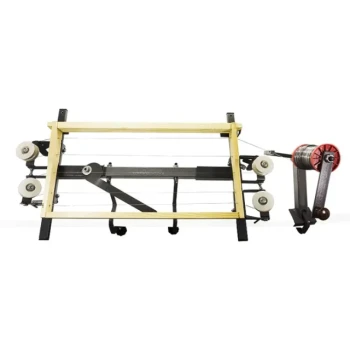
Honey bee artificial insemination (AI) tools act as the central control mechanism for bypassing the biological randomness of natural mating. By utilizing high-precision micro-injection systems, breeders can introduce specific volumes of semen from selected drones into a queen, ensuring the stable transmission of complex genetic traits like hygienic behavior and disease resistance.
Core Takeaway In natural settings, a queen mates with multiple drones of unknown origin, making it nearly impossible to "fix" recessive traits like disease resistance in a colony. Artificial insemination solves this by granting total control over the paternal lineage, allowing breeders to permanently lock in traits such as Varroa Sensitive Hygiene (VSH) and reducing the industry's reliance on chemical treatments.
The Mechanics of Resistance Breeding
Eliminating the "Wild Card" of Natural Mating
The primary value of AI tools lies in controlled mating. In the wild, queens mate during "nuptial flights" with varying drones, creating a genetic lottery.
AI tools allow breeders to strictly control the genetic background of mating pairs. By eliminating interference from external, unvetted drones, breeders can clarify paternal information and ensure that specific, desirable genes are passed down without dilution.
Targeting Hygienic Behaviors
The most critical trait selected through this technology is hygienic behavior. This refers to a colony's ability to detect and remove diseased or infested brood before the infection spreads.
Through precision breeding, populations can be developed that possess high removal rate traits—specifically, the ability to remove over 95% of dead or infested pupae within 24 hours. This behavioral trait is the colony's primary natural defense mechanism.
Combatting Specific Pathogens
By selecting for these hygienic traits, AI tools facilitate the development of lines resistant to major industry threats, including:
- Varroa Mites: via the Varroa Sensitive Hygiene (VSH) gene.
- American Foulbrood: A bacterial disease often requiring antibiotics.
- Chalkbrood: A fungal disease affecting larvae.
The Role of High-Precision Equipment
Micro-Volume Precision
Success in honey bee AI requires distinct accuracy. Professional equipment enables the measurement and injection of semen typically ranging from 8 to 10 μl.
This level of precision is necessary to mix honey bee semen from specific pedigrees, ensuring the queen receives an adequate and genetically diverse load from selected drone fathers only.
Directional Inheritance
AI tools are indispensable for directional inheritance. This means breeders can push a population toward a specific goal—such as mite resistance or propolis production—much faster than nature would allow.
By selecting individual drones based on male-female trait correlations, breeders ensure the continuity of specific genetic variations. This serves as the core technical support for organic beekeeping, as it systematically reduces the need for chemical interventions.
Understanding the Trade-offs
Technical Complexity
Unlike natural mating or even isolated mating stations (which use geographical barriers), AI requires specialized hardware, including high-precision microscopes and micro-injection systems. It is not a passive process; it requires significant technical skill to perform the procedure without damaging the queen.
Specificity vs. Diversity
While AI is powerful for fixing specific traits, it focuses on purebred selection and specific hybrid combinations. There is a responsibility on the breeder to maintain enough genetic diversity within the selected lines to prevent inbreeding depression while still pursuing disease-resistant characteristics.
Making the Right Choice for Your Goals
Artificial insemination is not just about reproduction; it is a tool for strategic genetic management.
- If your primary focus is Organic Beekeeping: Prioritize AI to select for high hygienic response rates (removing >95% of dead pupae), which directly reduces your dependence on chemical miticides and antibiotics.
- If your primary focus is Commercial Production: Use AI to stabilize "quantitative traits" like pollination quality and general colony health to ensure consistent performance across large-scale operations.
By replacing the probability of nature with the precision of science, AI tools transform disease resistance from a lucky occurrence into a reproducible standard.
Summary Table:
| Feature | Natural Mating | Artificial Insemination (AI) |
|---|---|---|
| Paternal Control | Random (Multiple Drones) | Full Control (Selected Drones) |
| Genetic Accuracy | Low (Genetic Lottery) | High (Precision Micro-injection) |
| Trait Fixation | Difficult/Slow | Rapid (e.g., VSH & Hygienic Behavior) |
| Hygienic Rate | Variable | Target >95% Removal Rate |
| Primary Benefit | Genetic Diversity | Disease Resistance & Organic Viability |
Elevate Your Bee Breeding with HONESTBEE
As a dedicated partner to commercial apiaries and global distributors, HONESTBEE provides the professional-grade infrastructure needed to master honey bee genetics. From high-precision artificial insemination systems and specialized microscopes to industrial-scale hive-making and honey-filling machinery, we supply the full spectrum of equipment required for modern, disease-resistant beekeeping.
Ready to transition to organic standards or stabilize your commercial colony performance? Our comprehensive wholesale offering includes everything from essential hardware to honey-themed cultural merchandise to support your business growth.
Contact us today to explore our wholesale solutions and technical equipment.
References
- Zoran Stanimirović, Milorad Mirilović. Investigations of hygienic behaviour and disease resistance in organic beekeeping of two honeybee ecogeographic varieties from Serbia. DOI: 10.2298/avb0203169s
This article is also based on technical information from HonestBee Knowledge Base .
Related Products
- Queen Bee Artificial Insemination Instrument Equipment for Instrumental Insemination
- Stainless Steel Beekeeping Queen Grafting Tool for Honey Bee Rearing
- Plastic Beekeeping Honey Bee Larvae Grafting Tools for Queen Rearing and Chinese Grafting
- Plastic Handle Single Row Artificial Fiber Bee Brush
- Economy Galvanized Beekeeping Honey Bee Smoker for Wholesale
People Also Ask
- Why is maintaining sanitary conditions important during artificial insemination? Protect Your Queen from Fatal Infections
- Why are artificial insemination instruments critical in bee hybridization? Master Genetic Control & Pure Breeding
- What is the core value of bee artificial insemination instruments in breed improvement? Achieve Precise Genetic Control
- Why is professional bee artificial insemination equipment considered a core tool for genetic control in honeybee breeding? Ensure 100% Purity
- Why is high-purity CO2 used for queen bee artificial insemination? Unlock Precision Breeding & Faster Egg-Laying