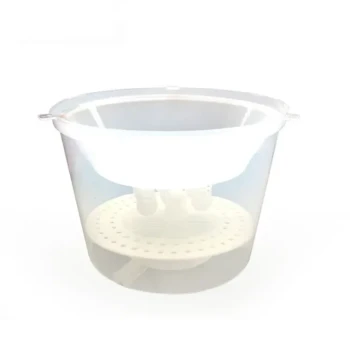
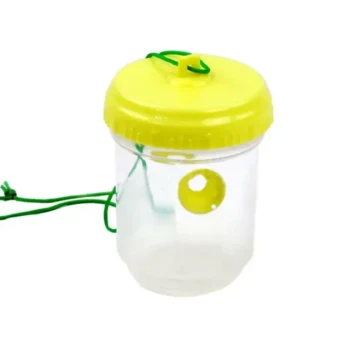
In-hive traps function by weaponizing the small hive beetle's own survival instincts against it. These devices operate by creating dark, narrow crevices that mimic the safe harbor beetles naturally seek to escape light and aggressive bees. Once the beetles enter these simulated refuges, they fall into a containment chamber—typically filled with oil or simply designed to prevent escape—where they are physically removed from the colony’s ecosystem.
Core Takeaway In-hive traps provide mechanical population control by simulating the environmental conditions beetles prefer. By intercepting adult beetles in "safe zones" before they can reproduce, these tools reduce overall density and help prevent the catastrophic larval outbreaks that lead to colony collapse.
The Mechanism of Action
Exploiting Biological Vulnerabilities
Small hive beetles (Aethina tumida) are naturally photophobic (light-avoiding) and thigmotactic (seek contact with surfaces in tight spaces).
Traps are engineered to act as artificial crevices. They offer the beetles a dark, secure enclosure that feels safer than the open comb, enticing them to enter voluntarily.
The Kill Method
Most effective traps utilize a reservoir system.
Commonly, this reservoir is filled with a distinct agent, such as vegetable or mineral oil. When the beetle enters the trap seeking safety or bait, it falls into the oil and drowns.
Some smaller trap models function as dry prisons. These rely on complex entry geometries that allow beetles to enter but make it impossible for them to exit, eventually leading to death by starvation.
Role of Attractants
While the physical structure of the trap provides visual and tactile lures, chemical attractants often act as the primary draw.
Beekeepers frequently add bait—such as apple cider vinegar or fermented pollen substitutes—to a specific compartment in the trap. This scent mimics the smell of a hive under stress or fermentation, which is highly attractive to adult beetles.
Optimizing Trap Placement
Leveraging Bee Behavior
Bees actively harass beetles, herding them away from the brood and honey.
Because bees chase pests to the periphery of the colony, beetles naturally cluster in the corners of the hive or along the top bars.
The "Top Box" Strategy
For maximum effectiveness, traps should be installed in the top box of the hive.
They are designed to hang between frames, similar to a standard hive frame. The ideal position is between the two outermost frames on either side of the box, pushed as close to the corner as possible.
Why Bottom Placement Fails
While some traps are designed for bottom boards, evidence suggests placing traps in the bottom or in every single box is less efficient.
The top corners utilize the bees' natural defensive herding to drive beetles directly into the trap.
Understanding the Trade-offs
Maintenance Requirements
Traps are not "set and forget" devices.
To maintain efficacy, you must regularly inspect the reservoirs. Filled traps can rot, creating a foul odor that may repel beetles or even degrade the hive environment.
The "Strong Colony" Prerequisite
Traps are a supplementary tool, not a cure-all.
They effectively reduce adult beetle density, but they cannot save a weak, stressed colony on their own. If the bee population is too low to cover the combs, beetles will bypass traps and lay eggs directly in the unprotected comb.
Inspection Disturbances
While checking traps is necessary, opening the hive too frequently acts as a stressor.
Frequent disturbances can actually trigger female beetles to lay eggs. You must balance the need to clean traps with the need to keep the colony undisturbed and calm.
Making the Right Choice for Your Goal
To successfully integrate traps into your pest management strategy, align your usage with your colony's specific status.
- If your primary focus is Monitoring: Use transparent or easily accessible top-bar traps without heavy baiting to simply gauge if beetles are present in the hive.
- If your primary focus is Active Control: Place oil-filled traps in the top outermost corners of the hive and maintain a strict schedule of disposing of captured beetles to prevent overflow.
- If your primary focus is Prevention: Combine trapping with strict apiary hygiene, ensuring strong queens and promptly removing honey supers to deny beetles breeding grounds.
Effective beetle management relies on using traps as a precision tool to support a strong, hygienic colony.
Summary Table:
| Feature | Mechanism/Detail |
|---|---|
| Biological Target | Photophobic (light-avoiding) and thigmotactic (crevice-seeking) behavior |
| Primary Kill Method | Reservoir containment using vegetable/mineral oil (drowning) or dry prisons |
| Common Attractants | Apple cider vinegar, fermented pollen substitutes, or unscented lures |
| Optimal Placement | Top box, between outermost frames (leveraging bee herding behavior) |
| Key Maintenance | Regular inspection to prevent rot and maintain reservoir efficacy |
Protect Your Colonies with Professional Beekeeping Solutions
Don't let small hive beetles compromise your apiary's productivity. HONESTBEE provides commercial apiaries and distributors with the high-performance tools needed to manage pests and scale operations effectively. From precision-engineered in-hive traps to industrial-grade honey-filling machines and specialized hive-making equipment, our comprehensive wholesale portfolio covers your entire production cycle.
Partner with HONESTBEE for:
- Wholesale Beekeeping Equipment: Full spectrum of tools and hardware.
- Industrial Machinery: Efficient honey processing and hive manufacturing.
- Essential Consumables: Everything your apiary needs for seasonal success.
Contact HONESTBEE Today to discover how our professional-grade equipment and machinery can enhance your commercial beekeeping business.
References
- Kristina Gratzer, Robert Brodschneider. How Science Supports Honey Bees: Identification of Research on Best Practices in Beekeeping. DOI: 10.3390/insects16101025
This article is also based on technical information from HonestBee Knowledge Base .
Related Products
- Reusable Aluminium Beetle Trap for Small Hive Beetles Silver Bullet
- Black Plastic Beetle Barn Hive Beetle Trap for Beehives
- Removable Washable Hive Beetle Trap Attractants for Small Hive Beetles
- Reusable Clear Small Hive Beetle Traps for Beehives Beetle Trapping Tools
- Plastic Beetle Blaster Trap Beekeeping Tools and Supplies
People Also Ask
- How should powdered substances be used in beetle traps for hive beetle control? Expert Guide for Maximum Colony Protection
- Why are beetle traps less effective during winter? Seasonal Shifts in Pest Control Explained
- When is the best time to use small hive beetle traps in cold climates? Protect Your Honeybee Winter Stores Now
- When and how should disposable traps for small hive beetles be removed? Master Hive Hygiene and Efficiency
- How do small hive beetle traps contribute to colony management? Enhance Diagnostic Accuracy and Protect Hive Health