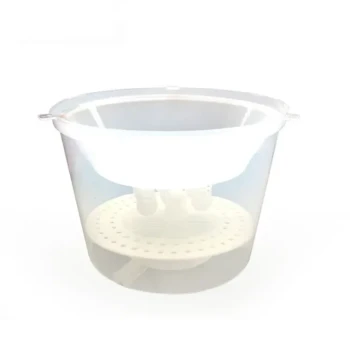
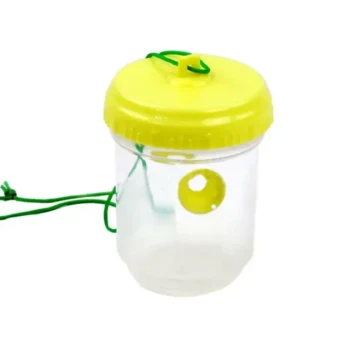
The primary technical advantage of vegetable oil is its ability to function as a non-toxic, physical drowning medium that safely eliminates Small Hive Beetles (SHB) without compromising the chemical purity of the hive. It operates by physically sealing and suffocating both adult beetles and larvae, ensuring a high mortality rate without the volatility risks associated with traditional insecticides.
Vegetable oil leverages simple physics to trap and suffocate pests, offering a food-grade solution that completely removes the risk of contaminating honey products with chemical residues.
Preserving Hive Purity
The most critical technical specification of vegetable oil in apiary management is its non-volatile nature.
Eliminating Vapor Transfer
Unlike chemical insecticides or essential oils that may evaporate, vegetable oil does not release volatile compounds into the hive atmosphere.
This ensures the internal air quality remains neutral. Consequently, there is zero risk of chemical agents permeating the beeswax or altering the flavor profile of the honey.
A Food-Grade Safety Net
Because vegetable oil is a consumable product, it poses no toxicity threat to the bee colony itself.
If a trap is accidentally tipped or leaks, the substance introduced to the hive is safe for ingestion. This contrasts sharply with industrial pesticides, where a leak could result in colony collapse or unmarketable hive products.
The Mechanism of Action
Vegetable oil does not rely on biological toxicity to kill pests; instead, it utilizes physical properties to ensure mortality.
Effective Movement Restriction
The viscosity of the oil acts as a sealing medium.
Once a beetle falls into the trap, the oil coats its exoskeleton and restricts physical movement. The insect is unable to generate the friction or lift required to climb out of the reservoir.
Suffocation of Multiple Life Stages
The oil barrier is effective against both mobile adult beetles and crawling larvae.
By enveloping the pest, the oil blocks spiracles (breathing pores), leading to inevitable suffocation. This physical method of killing prevents pests from developing resistance, a common issue with chemical agents.
Understanding the Trade-offs
While vegetable oil is chemically safe, relying on a physical trap medium requires specific management protocols.
Necessity of Regular Maintenance
Because the killing agent is physical, it does not dissolve the pests.
Traps can become saturated with dead beetles and larvae. This displacement can eventually reduce the oil level or create "bridges" of debris that allow new beetles to escape, necessitating regular cleaning.
Handling and Viscosity
Liquid oil requires careful handling during hive inspections to prevent mess.
While a spill is not toxic, coating bees in oil can still be detrimental to individual insects by matting their wings. Proper trap placement and steady handling are essential.
Making the Right Choice for Your Goal
- If your primary focus is Honey Purity: Utilize vegetable oil to ensure zero chemical volatility or residue makes its way into your final product.
- If your primary focus is Pest Resistance Management: Choose this physical drowning method to bypass biological resistance traits found in beetle populations.
Vegetable oil offers a robust, sanitary solution that solves the pest problem by prioritizing the long-term safety of the hive products.
Summary Table:
| Feature | Advantage of Vegetable Oil | Benefit to Beekeepers |
|---|---|---|
| Toxicity Level | Non-toxic / Food-grade | Safe for bees and zero honey contamination |
| Mechanism | Physical suffocation | Prevents pests from developing chemical resistance |
| Volatility | Non-volatile | No chemical vapors or odors absorbed by beeswax |
| Safety | High (Leak-safe) | Accidental spills do not lead to colony collapse |
| Target | Adults & Larvae | Comprehensive control of multiple SHB life stages |
Elevate Your Apiary's Standards with HONESTBEE
Maintaining a chemical-free hive is essential for producing premium honey. At HONESTBEE, we support commercial apiaries and distributors by providing a full spectrum of professional beekeeping tools, machinery, and essential consumables. Whether you are looking for specialized hardware like hive-making and honey-filling machines or high-quality wholesale supplies to manage pest control effectively, we have the expertise to scale your operations.
Ready to optimize your production and protect your hive purity?
Contact HONESTBEE Today to explore our comprehensive wholesale offerings and discover how our specialized equipment can drive your business success.
References
- Rafael A. Calderón-Fallas, Paola Hernández-Ching. Strategies for detection and monitoring of the small hive beetle (Aethina tumida) in Africanized honeybee colonies in Costa Rica. DOI: 10.15359/rcv.42-1.2
This article is also based on technical information from HonestBee Knowledge Base .
Related Products
- Reusable Aluminium Beetle Trap for Small Hive Beetles Silver Bullet
- Black Plastic Beetle Barn Hive Beetle Trap for Beehives
- Removable Washable Hive Beetle Trap Attractants for Small Hive Beetles
- Reusable Clear Small Hive Beetle Traps for Beehives Beetle Trapping Tools
- Plastic Beetle Blaster Trap Beekeeping Tools and Supplies
People Also Ask
- How should powdered substances be used in beetle traps for hive beetle control? Expert Guide for Maximum Colony Protection
- Why are beetle traps less effective during winter? Seasonal Shifts in Pest Control Explained
- When is the best time to use small hive beetle traps in cold climates? Protect Your Honeybee Winter Stores Now
- When and how should disposable traps for small hive beetles be removed? Master Hive Hygiene and Efficiency
- How do small hive beetle traps contribute to colony management? Enhance Diagnostic Accuracy and Protect Hive Health