Industrial-grade capture tools preserve experimental data through a dual mechanism of physical protection and chemical fixation. By utilizing ultra-fine microfiber mesh to prevent mechanical damage during capture and high-purity chemical preservatives to immediately arrest tissue degradation, these tools ensure that field specimens retain the precise morphological fidelity required for valid laboratory analysis.
High-integrity biological data requires specimens to remain in a pristine state from the moment of capture. Specialized nets and sampling bottles function as the first line of defense against the physical destruction and biological decay that render stingless bee samples useless for taxonomic research.
Preserving Physical Integrity with Capture Nets
Minimizing Mechanical Trauma
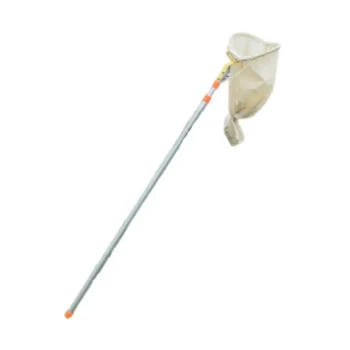
The primary function of an industrial-grade net is to intercept the specimen without crushing it. These nets utilize ultra-fine microfiber mesh designed to be gentle on delicate biological structures. This specific material prevents the breakage of limbs, wings, and antennae, which are critical for accurate identification.
Facilitating Rapid Interception
Stingless bees are small and fast-moving, requiring equipment that allows for swift reaction times. Nets featuring lightweight alloy frames reduce the physical exertion required by the researcher. This agility facilitates the rapid capture of foraging bees or those at nest entrances while minimizing the risk of accidental impact damage caused by heavy or clumsy equipment.
Preserving Biological State with Sampling Bottles
Immediate Morphological Fixation
Once captured, the specimen must be transitioned immediately into a fine sampling bottle containing high-purity chemical preservatives, such as alcohol. This chemical bath acts instantly to "fix" the bee's morphological state. It locks the physical form in place, preventing the distortion that occurs if a specimen dries out naturally.
Preventing Tissue Degradation
Biological decay begins the moment an insect dies. The use of sampling bottles prevents tissue degradation by creating a sterile environment that halts enzymatic breakdown. This ensures that the internal and external structures remain intact, providing high-integrity physical evidence for subsequent microscopic examination.
The Connection to Data Quality
Ensuring Taxonomic Accuracy
The quality of experimental data in entomology is directly tied to the condition of the specimen. Accurate taxonomic identification relies on the visibility of minute features, such as wing venation and leg structures. Industrial-grade tools ensure these features are preserved, preventing misidentification caused by missing or damaged body parts.
Validating Laboratory Measurements
Researchers rely on field samples for precise morphological comparisons. By preventing mechanical damage and biological rot, these tools ensure that laboratory measurements reflect the true biology of the organism. This eliminates data artifacts introduced by poor collection methods.
Understanding the Trade-offs
Equipment Limitations and Handling
While industrial nets are designed to minimize damage, they are not foolproof. The effectiveness of the flexible bag structure relies heavily on the user's technique; aggressive sweeping can still damage specimens regardless of the mesh quality. Furthermore, while the mesh protects morphology, it requires regular maintenance to ensure no tears allow smaller species to escape.
Chemical Preservation Constraints
Using high-purity alcohol is excellent for morphological preservation, but researchers must select the correct concentration. Improper concentrations can lead to either insufficient fixation (rot) or excessive dehydration (brittleness). Balancing the preservative strength is crucial to maintain a specimen that is flexible enough for manipulation but rigid enough for measurement.
Making the Right Choice for Your Goal
To maximize the quality of your stingless bee data, align your equipment use with your specific research outcomes:
- If your primary focus is species identification: Prioritize the use of ultra-fine microfiber nets to ensure delicate limb structures and wing venation remain intact for taxonomy.
- If your primary focus is morphological measurement: Ensure immediate transfer to fine sampling bottles with high-purity alcohol to prevent tissue degradation and shrinkage.
Data integrity begins in the field; the quality of your tools dictates the validity of your conclusions.
Summary Table:
| Tool Type | Key Feature | Primary Benefit for Data Quality |
|---|---|---|
| Capture Nets | Ultra-fine microfiber mesh | Minimizes mechanical trauma to limbs and wings |
| Lightweight Frames | Alloy construction | Enhances agility for damage-free rapid interception |
| Sampling Bottles | High-purity preservatives | Instant morphological fixation and tissue stability |
| Storage Vials | Sterile environment | Halts enzymatic breakdown and biological decay |
Elevate Your Field Research with HONESTBEE
Maintaining the integrity of biological samples is critical for commercial success and scientific accuracy. HONESTBEE provides professional-grade solutions tailored for commercial apiaries and distributors. Our comprehensive wholesale range includes everything from precision beekeeping tools and specialized hardware—like hive-making and honey-filling machinery—to essential industry consumables.
Whether you are scaling your apiary operations or supplying the next generation of researchers, we deliver the high-performance equipment you need to succeed.
Ready to upgrade your inventory? Contact us today to explore our wholesale offerings!
References
- Shashidhar Viraktamath, Jagruti Roy. Description of five new species of Tetragonula (Hymenoptera: Apidae: Meliponini) from India. DOI: 10.1007/s11756-022-01040-8
This article is also based on technical information from HonestBee Knowledge Base .
Related Products
- Professional Multi-Component Bucket Wasp Trap
- Gourd Shaped Hanging Wasp Trap Professional Wasp Catcher
- Compact Multi-Funnel Hanging Wasp Trap
- Professional Bucket Style Wasp and Moth Pheromone Trap
- Plastic Bee Pollen Trap Strips Comb Catcher Collector
People Also Ask
- How do professional wasp traps function? Master Physical Control of Oriental Hornets to Protect Your Apiary
- What are the practical advantages of using professional wasp traps and protective equipment in apiary management? Scale Up
- Why replace sugar syrup bait in wasp traps every three days? Ensure Maximum Attraction and Catch Rates
- How can commercial apiary operators mitigate wasp predation around hives using specialized trapping equipment? Effective strategies for wasp control
- What is the primary function of specialized traps used to defend against wasps? Protect Your Hive and Queen Today