Industrial-grade packaging functions as a critical environmental shield. By creating a high-integrity barrier against moisture and external odors, these materials prevent the chemical fermentation and flavor degradation that destroy honey's value. This physical protection is the primary mechanism that allows delicate biological products to survive long-distance international transport while retaining the premium sensory profile required by global markets.
Effective packaging does more than contain the product; it stabilizes a chemically complex substance against environmental chaos. By sealing out humidity and contaminants, industrial materials preserve the honey's biological activity and flavor, directly securing its financial value in the supply chain.
The Mechanisms of Preservation
Preventing Hygroscopic Spoilage
Honey is naturally hygroscopic, meaning it aggressively absorbs moisture from the air. Industrial-grade packaging offers superior sealing properties that hermetically isolate the product from ambient humidity.
Without this barrier, the water content in honey rises, activating yeasts that lead to fermentation. By locking out moisture, packaging prevents spoilage and ensures the product remains stable for extended periods.
Blocking External Contaminants
During long-distance distribution, cargo is exposed to various environments that can introduce foreign odors. High-quality packaging materials act as an impermeable wall, preventing the honey from absorbing these external smells.
This isolation is vital for maintaining the honey's original "flavor profile." If the natural aroma is corrupted by environmental odors, the product loses its standing in high-premium markets.
Shielding Biological Activity
Beyond moisture and smell, industrial equipment protects honey from temperature fluctuations and light exposure. These environmental stressors can degrade the honey's biological activity and darken its color.
By providing a light-shielded and temperature-stable environment, the packaging preserves the pharmacological properties and enzymes that define high-quality raw honey.
Logistics and Commercial Standardization
Streamlining the Supply Chain
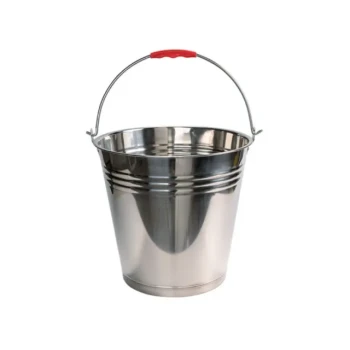
Standardized packaging units transform bulk honey into a product that is easy to transport and inventory. Uniform bottles and containers allow for better space utilization in logistics-intensive scenarios, such as mobile markets or high-frequency retail distribution.
This efficiency reduces overhead costs. It allows producers to manage inventory precisely while reaching diverse communities with consistent, pre-packaged goods.
Enhancing Brand Authority
In the retail sector, the physical container serves as a carrier for brand image. High-quality, standardized visual packaging signals safety and professionalism to consumers.
For export markets, packaging must meet rigorous food safety requirements while preventing leakage. A container that maintains its physical integrity during transit is essential for meeting the standards of high-end retailers.
Facilitating Hygiene and Accuracy
The interface between production and packaging—specifically filling and sealing machines—is critical for value preservation. Professional equipment ensures accurate metering and hygienic transfer from bulk storage to retail units.
Proper sealing processes at this stage prevent contamination before the honey even leaves the facility. This extends shelf life and ensures the product's presentation on the shelf is flawless.
Understanding Material Trade-offs
Glass vs. Industrial Plastic
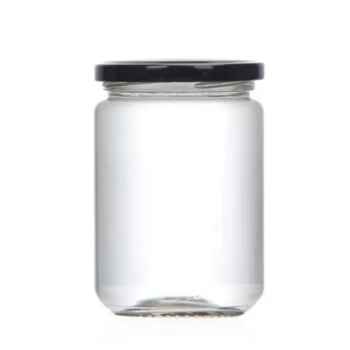
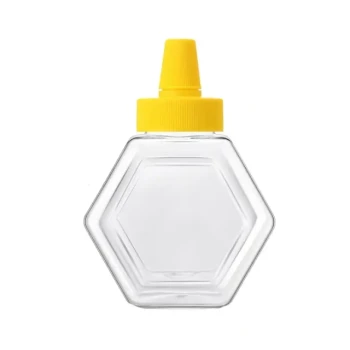
Glass packaging offers the highest chemical stability and airtight sealing. It is ideal for premium lines because it prevents oxidation and allows consumers to visually inspect the texture and color.
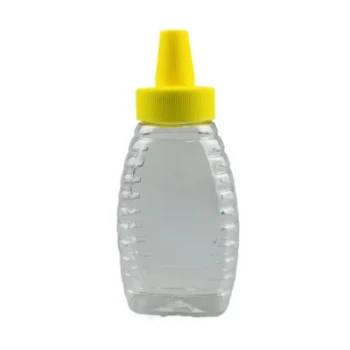
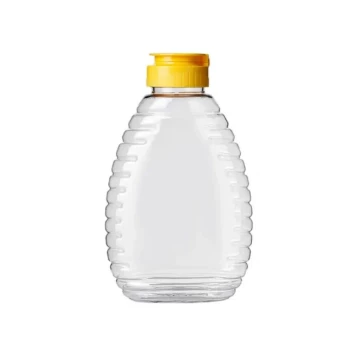
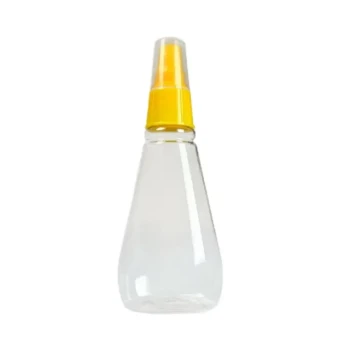
Industrial plastic, conversely, excels in preventing breakage during transport and reducing shipping weight. However, it must be of specific "food-grade" quality to act as a sufficient barrier against gas and moisture exchange.
Unit Size and Market Segmentation
Packaging specifications allow for strategic market segmentation. Smaller units (e.g., 250ml) target trial purchases and tourism markets, while larger units (e.g., 500ml) serve long-term household use.
While smaller units increase market penetration, they also increase the ratio of surface area to volume. This makes the sealing quality even more critical to prevent rapid degradation compared to bulk containers.
Making the Right Choice for Your Goal
To maximize value preservation, align your packaging strategy with your distribution priorities:
- If your primary focus is Long-Distance Export: Prioritize materials with the highest moisture barrier ratings and impact resistance to prevent fermentation and leakage during transit.
- If your primary focus is High-End Retail: Utilize chemically stable glass packaging that permits visual inspection, as this drives consumer trust and justifies premium pricing.
- If your primary focus is Logistics Efficiency: Opt for standardized, stackable container shapes that maximize storage density and streamline inventory management.
The correct packaging investment converts a volatile natural resource into a stable, high-value global asset.
Summary Table:
| Preservation Factor | Mechanism of Action | Business Impact |
|---|---|---|
| Moisture Barrier | Prevents hygroscopic absorption & fermentation | Extends shelf life and stability |
| Aroma Protection | Blocks external odors & environmental contaminants | Maintains premium sensory profile |
| Biological Shield | Protects enzymes from light & temperature shifts | Preserves pharmacological value |
| Logistics Design | Standardized, stackable, and leak-proof shapes | Reduces shipping costs & overhead |
| Visual Integrity | High-quality food-grade glass or plastic | Enhances brand authority & trust |
Elevate Your Honey Distribution with HONESTBEE
Protect your liquid gold and maximize your market value with industry-leading solutions. At HONESTBEE, we specialize in supporting commercial apiaries and distributors with a comprehensive wholesale portfolio designed for excellence.
From high-precision honey-filling machines that ensure hygienic seals to a wide array of specialized beekeeping tools, machinery, and essential consumables, we provide the hardware necessary to preserve your honey’s biological activity and flavor profile. Whether you need robust industrial equipment or unique honey-themed cultural merchandise, we are your partner in global supply chain success.
Ready to scale your production? Contact us today to discover how our tailored equipment can optimize your operations and secure your brand's future.
References
- Georgi Aleksiev. Dynamic of the processing and trade with Bulgarian apiculture products. DOI: 10.22620/sciworks.2020.02.010
This article is also based on technical information from HonestBee Knowledge Base .
Related Products
- Double Nozzle Small Honey Filling Machine Honey Sachet Packing Packaging Equipment
- Small Honey Filling Machine Sachet Packing Equipment Single Nozzle
- Honey Stick Filler Vertical Paste Sachet Packing Machine for Honey Sachets
- Automatic Single-Dose Snap & Squeeze Honey Sachets Packing Machine
- Economy Small Honey Filling Machine Honey Bottle Filler Packaging Machine
People Also Ask
- What value do retail packaging equipment and filling technologies provide in the honey distribution process? Maximize ROI
- How does industrial honey-filling machinery support Robinia pseudoacacia stands? Maximize Your Acacia Honey Yield
- Why is high-precision honey filling equipment necessary? Secure the medicinal value and ROI of stingless bee honey.
- Why is precision temperature control necessary for red honey filling? Preserve Amorpha fruticosa Color and Aroma
- How does specialized honey filling equipment contribute to honey distribution? Scale Your Wholesale Efficiency Today