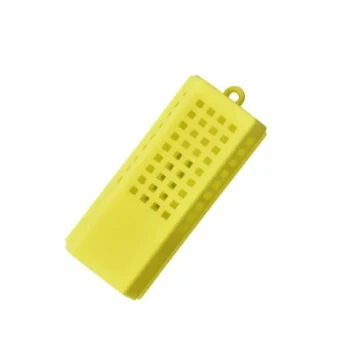
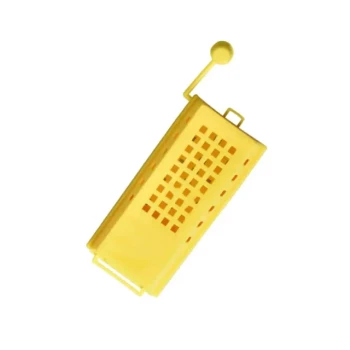
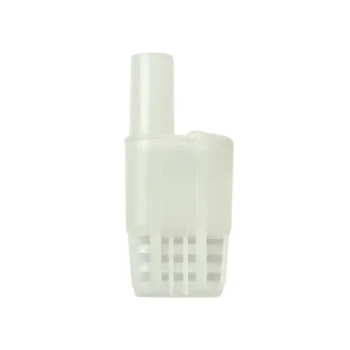
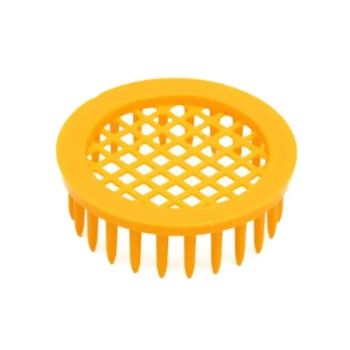
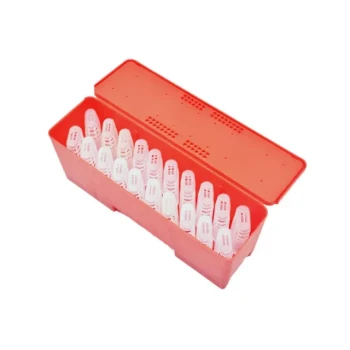
Metal mesh cages and constant temperature equipment operate in tandem to create a rigorous, controlled environment for evaluating acaricide efficacy.
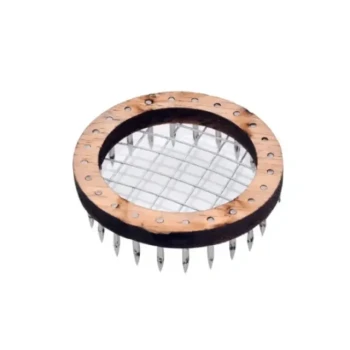
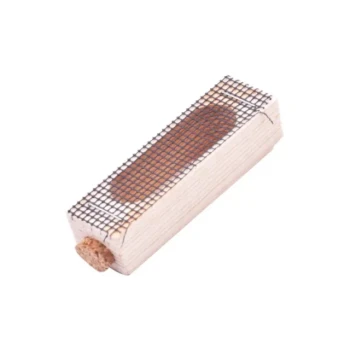
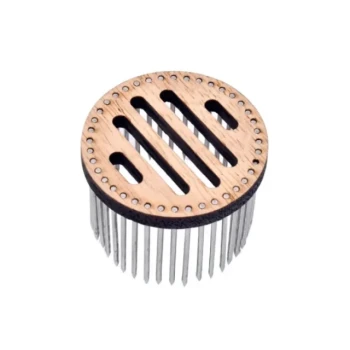
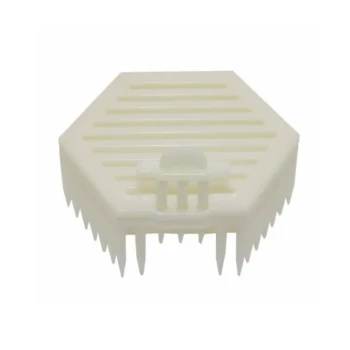
The metal mesh serves as a physical separator, confining the bee host while allowing treated Varroa mites to fall through to a collection surface, ensuring accurate mortality counts. Simultaneously, the constant temperature equipment stabilizes the environment, eliminating external weather fluctuations that could skew data and ensuring the observed effects are due to the chemical treatment, not environmental anomalies.
The synergy between these tools transforms a chaotic natural process into a measurable experiment. By physically isolating the biological subjects with mesh and thermally locking the environment, researchers can isolate specific variables to ensure scientific reproducibility.
The Role of the Metal Mesh Cage
Controlled Confinement
The primary function of the metal mesh cage is to confine experimental bee groups securely. This ensures that the subjects remain accessible for observation and treatment without the risk of escape.
Essential Ventilation
While confinement is key, airflow is critical for survival. The mesh structure provides continuous ventilation, preventing the build-up of humidity or respiratory byproducts that could accidentally kill the bees.
Facilitating Data Collection
The mesh design plays a functional role in data gathering. As the acaricide affects the Varroa mites, they detach from the bees. The mesh allows these mites to fall through onto a collection paper below, separating the "result" from the host for easy counting.
The Role of Constant Temperature Equipment
Eliminating Environmental Noise
Field tests are often subject to wild swings in weather. Constant temperature equipment removes this variable entirely. By locking the environment, researchers eliminate fluctuations that could interfere with the chemical testing.
Simulating Specific Stressors
The equipment allows for the simulation of precise physical stressors rather than just standard conditions. For example, researchers may maintain temperatures at 46–47 degrees Celsius.
Controlling Humidity
Alongside temperature, this equipment regulates moisture levels, such as maintaining a relative humidity of 20–30%. This precise control ensures that every test group is subjected to the exact same atmospheric pressure and heat stress.
Understanding the Trade-offs
High-Temperature Risks
The specific parameters mentioned (46–47°C) represent significant heat stress. While this simulates specific physical stressors, it pushes the biological limits of the bees. If the equipment fails or fluctuates upward even slightly, it could result in rapid mortality of the host bees, invalidating the test.
Desiccation Dangers
Maintained humidity levels of 20–30% are relatively dry. While this prevents mold and bacterial growth, it risks desiccating (drying out) the biological samples if the exposure duration is too long.
Making the Right Choice for Your Experiment
To ensure your laboratory evaluation yields valid data, you must align your equipment settings with your specific experimental goals.
- If your primary focus is accurate mortality counting: Ensure the mesh size is large enough for mites to pass through freely but small enough to contain the bees securely.
- If your primary focus is reproducibility: Prioritize the calibration of your temperature equipment to ensure it holds steady at the target stress range (e.g., 46–47°C) without deviation.
Precision in your physical setup is the only way to guarantee that your chemical results are fact, not fluctuation.
Summary Table:
| Component | Primary Function | Key Benefit |
|---|---|---|
| Metal Mesh Cage | Physical confinement and mite separation | Facilitates accurate data collection while ensuring ventilation |
| Temperature Equipment | Environmental stabilization (e.g., 46–47°C) | Eliminates external variables and simulates specific stressors |
| Humidity Control | Maintains low relative humidity (20–30%) | Prevents mold and ensures consistent atmospheric pressure |
Elevate Your Beekeeping Operations with HONESTBEE
Precision is the backbone of successful commercial beekeeping. At HONESTBEE, we understand the technical demands of both laboratory evaluations and large-scale apiary management. Whether you are a commercial apiary looking for durable mesh confinement tools or a distributor seeking high-quality hive-making and honey-filling machinery, we provide the complete spectrum of hardware and consumables.
From specialized beekeeping machinery to essential industry consumables and honey-themed cultural merchandise, HONESTBEE delivers the tools you need to maximize efficiency and ensure the health of your colonies.
Ready to upgrade your equipment? Contact us today to explore our comprehensive wholesale offerings and discover how we can support your business growth.
References
- SHAPOUR SHOJAEI, SARA MOHAMMADIYANI. VARVOACIDAL EFFECT OF FLUMVAR AT CONTROL OF HONEY BEE VARROASIS. DOI: 10.21608/avmj.2020.167300
This article is also based on technical information from HonestBee Knowledge Base .
Related Products
- Wood and Mesh Push-In Queen Cage
- Classic Wooden and Mesh California Queen Cage
- Premium Wood and Steel Push In Queen Cage
- Hexagonal Direct Comb Introduction Queen Bee Cage
- Professional Multi-Compartment Queen Cage with Sliding Lid
People Also Ask
- When is a queen introduced with a push-in cage ready for full release? Key Signs for Maximum Colony Acceptance
- How are queen cages used to protect newly hatched queens? Secure Your Virgin Queens During Development
- Why are queen cages or grid cages used in bee studies? Achieve Precise Biological Data for Research
- What advantages do push-in queen cages offer? Boost Acceptance Rates for Artificially Inseminated Queens
- What is a push-in queen cage and how does it differ from a standard queen cage? Boosting Your Queen Acceptance Rates