Modern beekeeping accessories shift the paradigm from extraction to stewardship. By replacing destructive "honey hunting" with non-destructive harvesting, tools like smokers and protective gear allow apiarists to extract resources without damaging the hive structure. This preservation is critical because it saves the colony the immense biological energy required to rebuild nesting cells, directly maintaining the sustainable productivity of the apiary.
Core Insight: The primary value of modern gear is not just human safety, but hive energy conservation. By preventing physical damage to the comb and reducing bee stress, these tools allow the colony to direct its resources toward honey production and brood rearing rather than emergency repairs.
The Mechanism of Resource Preservation
Preventing Structural Damage
Traditional harvesting methods often involved destroying the hive to access honey. Modern protective gear allows beekeepers to dismantle and reassemble the hive with surgical precision.
By keeping the wax cells intact, the colony retains its physical infrastructure. This is vital because bees consume significant amounts of honey (energy) to produce the wax needed for rebuilding.
Optimizing the Colony's Energy Economy
When a hive structure is damaged, the colony must divert its workforce from foraging to reconstruction.
Modern tools allow for extraction that leaves the nest integrity untouched. Consequently, the calories that would have been wasted on rebuilding wax combs are instead preserved as surplus honey or used to support population density.
The Role of the Smoker
Biochemical Calm
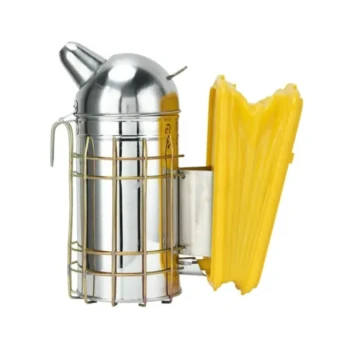
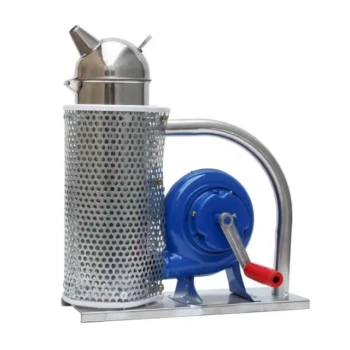
The smoker is not merely a tool for distraction; it is a chemical intervention tool. It generates cool smoke that masks the alarm pheromones honeybees release when threatened.
By interrupting this signaling pathway, the smoker prevents a chain reaction of defensive behavior. This ensures the colony remains calm, preventing the mass loss of bee life that occurs during a full-scale attack.
Controlled Output for Bee Safety
Professional smokers are designed to produce a stable, cool output. This contrasts with open flames or erratic smoke sources which can physically singe bees or introduce toxic tar impurities into the food stores.
Reducing Stress Responses
A stressed hive consumes more resources. By utilizing a smoker to facilitate low-stress inspections, the beekeeper minimizes the metabolic spike associated with hive panic, preserving the colony’s energy reserves.
Protective Gear as a Precision Instrument
Composure Leads to Precision
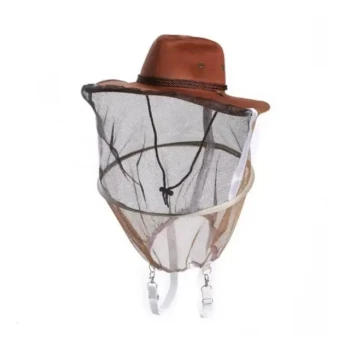
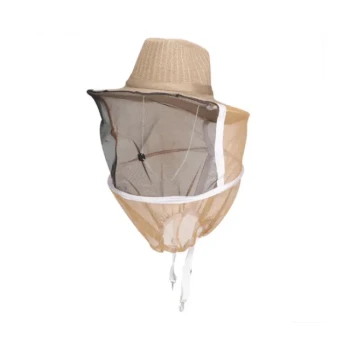
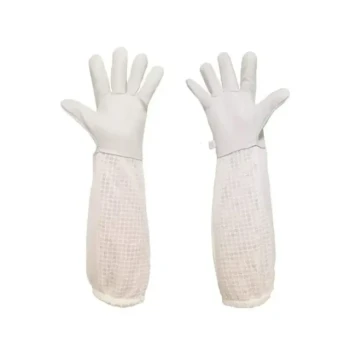
High-quality suits, veils, and gloves do more than prevent stings; they provide the psychological security required for deliberate manipulation.
When a beekeeper is impervious to stings, they can move slowly and carefully. This reduces the likelihood of accidentally crushing bees or dropping frames, which protects the queen and maintains the colony's population density.
Enabling Routine Health Interventions
Without adequate protection, hive inspections are often rushed or neglected due to fear of injury.
Modern gear enables consistent, deep internal inspections. This allows for the timely application of miticides or nutritional supplements to combat threats like Colony Collapse Disorder, ensuring the colony's immune system remains robust.
Understanding the Trade-offs
The Risk of Cross-Contamination
While tools preserve physical resources, they can become vectors for biological threats. Hive scrapers and gloves can act as media for the horizontal transmission of pathogens between colonies.
The Necessity of Sterilization
To ensure these accessories remain a net benefit, they must be treated as medical instruments.
Failing to disinfect tools with high-temperature sterilization or professional consumables can introduce disease, negating the resource-saving benefits of the equipment by compromising the hive's biosecurity.
Making the Right Choice for Your Goal
To maximize the utility of these tools for colony preservation, align your usage with your specific objectives:
- If your primary focus is Yield Maximization: Prioritize technique over speed; use the smoker to ensure zero damage to the comb structure, saving the bees the energy cost of wax production.
- If your primary focus is Colony Health: Invest in industrial-grade protective gear that allows you the confidence to perform frequent, deep inspections for pests and diseases without rushing.
Ultimately, modern accessories transform the beekeeper from a predator into a partner, preserving the colony's architecture and energy for long-term sustainability.
Summary Table:
| Feature | Mechanism of Action | Impact on Colony Resources |
|---|---|---|
| Bee Smoker | Masks alarm pheromones with cool smoke | Reduces bee stress and prevents mass colony panic/energy spikes |
| Protective Gear | Enables calm, precise hive manipulation | Prevents accidental bee mortality and damage to the queen |
| Surgical Extraction | Keeps wax comb structure intact | Saves bees the massive honey energy required to produce new wax |
| Deep Inspections | Facilitates routine health monitoring | Early detection of pests/disease to maintain high population density |
Maximize Your Apiary’s Potential with HONESTBEE
At HONESTBEE, we understand that high-quality tools are the foundation of sustainable beekeeping. As a dedicated partner to commercial apiaries and distributors, we provide a comprehensive wholesale range designed to protect your colonies and boost your bottom line.
Why partner with us?
- Comprehensive Supply: From industrial-grade smokers and protective suits to advanced hive-making and honey-filling machinery.
- Resource Efficiency: Our precision-engineered tools help minimize hive stress and structural damage, ensuring your bees focus on production, not repairs.
- Global Distribution: We supply essential consumables and specialized hardware to keep large-scale operations running smoothly.
Ready to elevate your beekeeping business? Contact HONESTBEE Today to explore our wholesale offerings and discover how our equipment can drive your apiary's long-term sustainability.
References
- Dirriba Mengistu. Economic Losses in the Traditional Honey Production System in Oromia Region, Ethiopia. DOI: 10.3329/ralf.v10i3.70998
This article is also based on technical information from HonestBee Knowledge Base .
Related Products
- Premium Cowboy Beekeeper Hat with Visibility Veil Outdoor Professional Beekeeping Protective Gear
- White Cotton Beekeeping Jacket and Veil for Bee Keepers
- Beekeeping Jacket with Hood and Veil for Beekeepers
- Beekeeper Cowboy Hat and Veil for Beekeeping
- Beekeeping Gloves Goatskin Leather with Long Cotton Sleeve for Beekeepers
People Also Ask
- What design features contribute to the stability and fit of the beekeeper hat? Key Features for Maximum Hive Safety
- How is the beekeeper hat designed for comfort and practicality? Explore Key Features for Enhanced Apiary Safety
- What is the general protective gear recommendation for new beekeepers? Your Essential Beginner's Safety Guide
- How does beekeeping protective gear facilitate the queen bee selection process? Enhancing Precision in Queen Breeding
- What should beekeepers consider when choosing protective gear? A Guide for Maximum Safety & Comfort