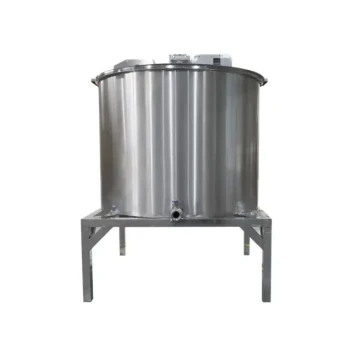
Modern honey harvesting and processing technologies primarily improve market supply by minimizing waste and maximizing the utilization of existing resources. By deploying high-efficiency extraction equipment and standardized filtration tools, producers can significantly reduce the technical loss associated with traditional methods. This allows beekeepers to approach the "production frontier"—extracting the maximum possible yield from their current hives without needing to increase the total number of honeybees.
By shifting from manual to mechanized processing, producers transform a raw, variable agricultural output into a stable, standardized commodity. This ensures that a higher percentage of harvested honey actually reaches the consumer, effectively increasing supply through efficiency rather than expansion.
Optimizing Production Efficiency
Reducing Technical Waste
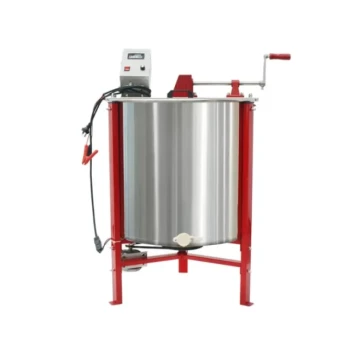
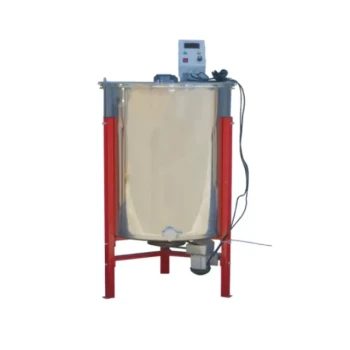
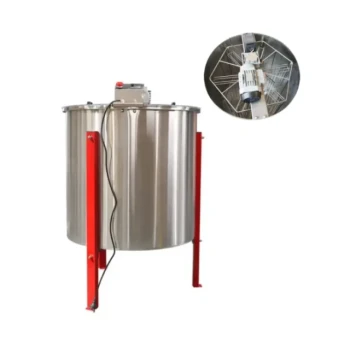
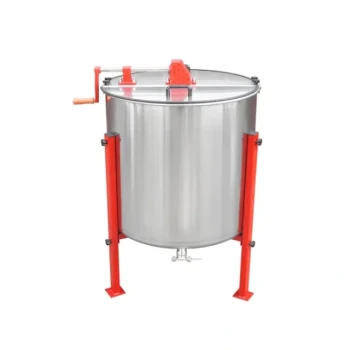
Traditional harvesting methods often result in significant product loss due to inefficient extraction and spillage. Modern equipment, such as centrifugal extractors, ensures that the maximum amount of honey is separated from the comb. This reduction in waste directly translates to a higher volume of product entering the supply chain.
Maximizing Factor Utilization
The primary advantage of these technologies is the improved utilization rate of production factors. Instead of investing in more hives or labor—which increases costs—producers use better technology to get more out of what they already have. This efficiency bridges the gap between actual output and potential output.
Enhancing Product Stability and Quality
Moisture Control and Preservation
Raw honey is susceptible to fermentation if the moisture content is too high. Industrial processing equipment integrates dehydration and heating mechanisms to precisely control moisture levels. This prevents spoilage, extending the shelf life of the supply and ensuring it remains viable for long-term storage and transport.
Standardization and Purity
Market supply is not just about volume; it is about saleable volume. Advanced filtration systems remove micro-impurities like bee fragments, wax, and plant debris. This creates the transparent, fluid, and physically pure product that data suggests approximately 62.3% of consumers prefer.
Understanding the Trade-offs
Capital Intensity vs. Scalability
While modern processing increases supply, it shifts the production model from labor-intensive to capital-intensive. The cost of industrial-grade automated packaging, dehydration, and filtration machinery can be a barrier for small-scale local producers. This creates a market dynamic where supply is increasingly consolidated among producers with the capital to invest in efficiency.
Standardization vs. Raw Appeal
There is a tension between volume and the definition of "quality." Heavy filtration and heating boost fluidity and prevent crystallization, making the honey more marketable to the mass market and export channels. However, this processing can strip distinct local characteristics, potentially alienating the niche segment of consumers seeking raw, unprocessed honey.
Unlocking Global Market Access
Meeting Hygiene and Safety Standards
To supply international markets, honey must meet rigorous hygiene standards. Automated bottling and processing lines significantly reduce direct human contact, minimizing contamination risks. This compliance allows local supply to enter high-value global trade networks.
Consistency for Export
Global retailers require consistency in color, texture, and viscosity, which nature rarely provides on its own. Processing plants serve as the critical link that grades and blends batches to create a uniform product. This consistency is essential for securing shelf space in premium retail environments.
Making the Right Choice for Your Goal
When evaluating honey processing technologies, align your investment with your specific market targets:
- If your primary focus is maximizing volume: Prioritize high-efficiency centrifugal extraction tools to reduce waste and approach the production frontier.
- If your primary focus is export and shelf stability: Invest in industrial dehydration and pasteurization equipment to prevent fermentation and meet international safety standards.
- If your primary focus is consumer appeal: Utilize high-precision filtration and bottling systems to ensure the transparency and fluidity that the majority of the market prefers.
Technology ultimately converts raw agricultural potential into reliable economic inventory.
Summary Table:
| Technology Type | Key Benefit | Impact on Market Supply |
|---|---|---|
| Centrifugal Extractors | Minimizes technical waste | Increases volume from existing hives |
| Dehydration Units | Moisture & fermentation control | Extends shelf life and reduces spoilage |
| Advanced Filtration | Removes impurities & debris | Enhances saleability and consumer appeal |
| Automated Bottling | Hygiene & safety compliance | Facilitates global export and market access |
Scale Your Apiary Operations with HONESTBEE
Are you a commercial apiary or a distributor looking to bridge the gap between production and potential? HONESTBEE specializes in empowering beekeeping businesses with the technology needed to maximize yield and ensure product consistency. From high-efficiency honey-filling machines and hive-making equipment to a comprehensive range of wholesale beekeeping tools and consumables, we provide the hardware and support necessary to meet global quality standards.
Ready to optimize your production and access premium international markets? Contact us today to discover how our tailored machinery solutions can drive your growth.
References
- Mustefa Bati, Hawi Gemechu. Technical Efficiency in Honey Production: The Case of Illubabor and Buno Bedelle Zones, South Western Ethiopia. DOI: 10.7176/jaas/67-03
This article is also based on technical information from HonestBee Knowledge Base .
Related Products
- Stainless Steel Manual 8 Frame Radial Honey Extractor Machine for Beehives
- HONESTBEE 6 Frame Three Use Electric Honey Extractor for Beekeeping
- Fully Automatic Honey Filling Packaging Machine for Processing Line
- Honey Concentrating and Filtering Dehumidifier Machine 2T Capacity for Honey
- HONESTBEE 3-Frame Manual Acrylic Honey Extractor
People Also Ask
- What types of beehive frames are compatible with honey extractor machines? Find the Perfect Match for Your Apiary
- Which type of honey extractor is generally more durable? Focus on Material & Build Quality for Longevity
- What are the key features and benefits of a stainless steel honey extractor? Upgrade to Professional Purity
- Why are manual extractors popular among beginner beekeepers? A Guide to Starting Simple & Saving Money
- What are the disadvantages of a manual honey extractor? Overcome Efficiency Bottlenecks in Your Apiary