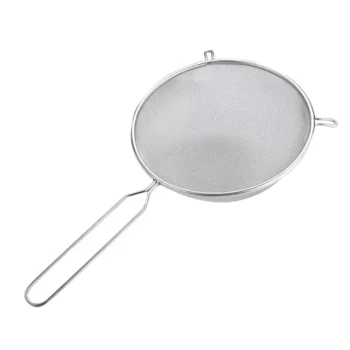
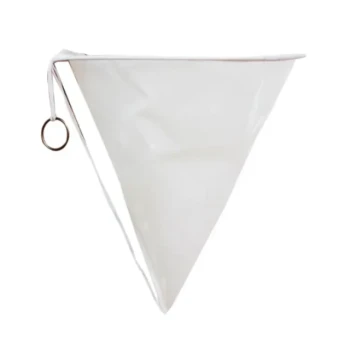
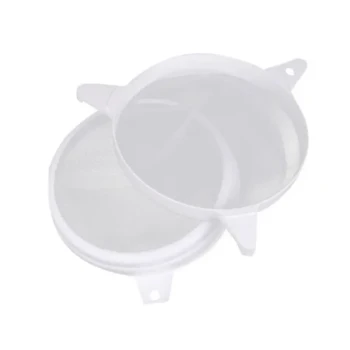
Consistent maintenance of honey filtering equipment requires a strict regimen of washing, drying, and inspection. Immediately after use, you must clean all components with warm water and a mild detergent, ensure every part is completely dry to prevent corrosion, and routinely check filters and fittings for wear or leaks to ensure the system remains hygienic and efficient.
Proper maintenance is not just about equipment longevity; it is a critical control point for preserving honey quality. Establishing a routine of immediate cleaning and rigorous inspection prevents residue build-up and ensures your system operates at peak efficiency.
Core Cleaning Protocols
Washing with Warm Water
To maintain hygiene, you must wash all components regularly using warm water. This helps dissolve sugar crystals and viscosity that cold water cannot effectively remove.
Using Mild Detergents
Incorporate a mild detergent into your cleaning cycle. This prevents residue build-up without introducing harsh chemicals that could damage the equipment or taint future batches of honey.
The Necessity of Thorough Drying
After washing, you must dry all parts thoroughly. Leaving moisture on the equipment is a primary cause of corrosion, which can permanently damage metal components and compromise sanitation.
Mechanical Inspection and Integrity
Monitoring Filter Condition
Inspect your filters regularly for any signs of wear or damage. A compromised filter cannot separate debris effectively, lowering the quality of your final product.
Replacing Worn Components
Do not hesitate to replace filters if you detect wear. Timely replacement is essential for maintaining optimal filtration performance and preventing physical contaminants from entering the honey.
Checking for Leaks and Fittings
Periodically examine the entire system for leaks or loose fittings. Ensuring tight connections maintains system pressure and prevents product loss or mess during operation.
Common Maintenance Pitfalls
Neglecting the Drying Phase
The most common error is reassembling equipment while it is still damp. This traps moisture in crevices, accelerating corrosion and rust, which significantly shortens the equipment's lifespan.
Overlooking Micro-Leaks
Small leaks often go unnoticed until they become major failures. Ignoring loose fittings decreases the system's efficiency and can lead to unsanitary processing environments.
Ensuring Long-Term Reliability
If your primary focus is Equipment Longevity: Prioritize thorough drying after every wash to prevent corrosion and rust from degrading the machinery.
If your primary focus is Product Quality: Focus on frequent filter inspections and replace them immediately at the first sign of wear to ensure purity.
A disciplined maintenance routine is the most effective investment you can make to protect both your equipment and the quality of your harvest.
Summary Table:
| Maintenance Action | Frequency | Key Benefit |
|---|---|---|
| Warm Water Wash | After every use | Dissolves sugar crystals and residue |
| Mild Detergent Clean | Daily/After use | Prevents build-up without chemical taint |
| Thorough Air Drying | Before storage | Prevents corrosion and rust formation |
| Filter Inspection | Weekly | Ensures product purity and debris removal |
| Fitting Check | Monthly | Prevents leaks and maintains system pressure |
Maximize Your Harvest Quality with HONESTBEE
Maintaining your equipment is vital, but starting with professional-grade tools is the foundation of success. HONESTBEE serves commercial apiaries and distributors with a comprehensive wholesale range, including high-precision honey filtering systems, honey-filling machines, and specialized hive-making equipment.
Whether you need industrial-scale machinery or essential consumables, our expert team provides the hardware and technical support to keep your operations running smoothly. Contact us today to discuss your equipment needs and discover how our wholesale solutions can optimize your honey production efficiency.
Related Products
- Electric Double Wall Honey Filtering Machine Purifier Equipment for Honey Processing Plant
- Professional Stainless Steel Honey Filtering Machine with Water Bath Heating for Beekeeping
- 0.5T Capacity Honey Dehumidifier Dryer with Vacuum Heating and Thickening Filtering Machine
- Honey Concentrating and Filtering Dehumidifier Machine 2T Capacity for Honey
- Professional Stainless Steel Honey Filter with Support Handle
People Also Ask
- What is the process of filtering honey? A Guide to Clean, Pure, and Market-Ready Honey
- What types of equipment are used in honey filtering? Build an Efficient System for Pure, Marketable Honey
- What is the overall importance of using the right equipment in honey filtering? Boost Quality & Marketability
- What is a potential concern associated with filtering honey? Balancing Clarity and Pollen Preservation
- What steps are involved in maintaining honey filtering equipment? A Guide to Protecting Your Honey Quality