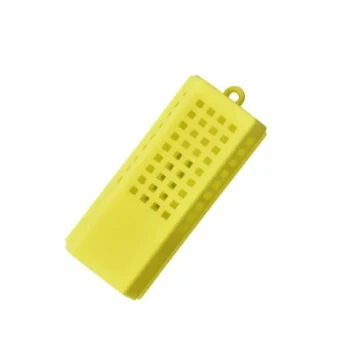
Numbered plastic tags act as the fundamental mechanism for data integrity in apiculture research. By adhering a unique identifier to the queen bee’s thorax, researchers can precisely distinguish between individuals in mixed environments, ensuring that bees from different treatment groups—such as those undergoing single-drone versus multi-drone insemination—are never confused during observation.
Core Takeaway In complex biological setups, visual indistinguishability is a major risk to data accuracy. Numbered tags solve this by creating a permanent link between a specific queen's physical identity and her experimental treatment history, allowing for precise behavioral tracking within active hives.
The Mechanics of Identification
Placement and Material
To ensure visibility without impeding the insect's movement, these tags are small, numbered discs made of plastic.
Secure Attachment
The tag is fixed directly to the thorax of the queen bee. Researchers use a specialized adhesive to ensure the tag remains securely attached throughout the duration of the experiment.
Managing Multi-Group Variables
Distinguishing Treatment Groups
Large-scale experiments often involve multiple variables running simultaneously. For example, a study may compare queens inseminated by a single drone against those inseminated by multiple drones.
Preventing Data Cross-Contamination
Without tags, these groups would look identical. The numbered system allows different treatment groups to coexist or be observed in sequence without the risk of attributing data to the wrong experimental category.
Enhancing Observational Accuracy
Tracking Behavioral Performance
The primary goal of these experiments is often to record specific behaviors. The unique number allows an observer to link a specific action (e.g., egg-laying rate or movement patterns) to a specific queen.
Navigating Complex Environments
These studies typically take place in observation hives, which are visually complex and active environments. The high-contrast numbered tag allows researchers to quickly locate and identify the subject queen amidst the colony.
Critical Considerations for Accuracy
Reliance on Adhesion
The integrity of the experiment relies entirely on the bond between the tag and the thorax. The use of specialized adhesive is critical; if a tag falls off, the unique identity—and the associated data history—is instantly lost.
Ensuring Data Integrity in Bee Research
To maximize the reliability of your multi-group control experiments, consider the following based on your specific objectives:
- If your primary focus is Experimental Design: Ensure every queen is tagged prior to introduction into the observation environment to maintain strict separation of treatment variables like insemination counts.
- If your primary focus is Data Collection: Use the unique numbers to create individual behavioral logs, ensuring that performance metrics are never conflated between subjects.
rigorous identification protocols turn chaotic hive activity into structured, actionable data.
Summary Table:
| Feature | Benefit for Research | Application |
|---|---|---|
| Unique Numbering | Prevents cross-contamination between treatment groups | Distinguishing single vs. multi-drone insemination |
| Thorax Attachment | Maintains visibility without impeding natural movement | Behavioral tracking in active observation hives |
| High-Contrast Material | Allows quick identification in complex environments | Real-time monitoring of egg-laying and movement |
| Specialized Adhesive | Ensures long-term data integrity and identity | Permanent linking of physical bee to history |
Elevate Your Commercial Apiary with HONESTBEE
As a global leader in professional beekeeping solutions, HONESTBEE empowers commercial apiaries and distributors with the high-precision tools needed for success. Whether you are conducting rigorous bee research or scaling your production, we provide the full spectrum of equipment—from specialized numbered identification tags and insemination tools to advanced honey-filling and hive-making machinery.
Don't let data gaps or inefficient hardware hold your operation back. Partner with us for a comprehensive wholesale offering designed to maximize your efficiency and yield. Contact our team today to discuss your project needs!
References
- Freddie‐Jeanne Richard, Christina M. Grozinger. Effects of Insemination Quantity on Honey Bee Queen Physiology. DOI: 10.1371/journal.pone.0000980
This article is also based on technical information from HonestBee Knowledge Base .
Related Products
- Durable Plastic Hive Number Set for Beekeeping
- Plastic Long Marker Device for Catching and Marking Bees Queen Bee Marking Tube and Cage
- Professional Engraved Round Hive Number Tags for Beekeeping
- Plastic Queen Bee Catcher Marker Tube Holder for Queen Marking Bottle
- Queen Bee Catcher Plastic Bee Marker Bottle with Piston Marking Tube
People Also Ask
- How do plastic hives offer protection against wax moths? Secure Your Apiary with Durable Pest Resistance
- Why might bees reject a plastic hive? Key Factors in Colony Acceptance and Material Management
- What are the advantages of numbered plastic tags? Achieve Precise Individual Honeybee Identification
- What is the role of record-keeping tools like manuals and hive markers in professional queen bee breeding? Master Data.
- What potential problems can the smooth interior surface of plastic hives cause? Combat Moisture and Disease