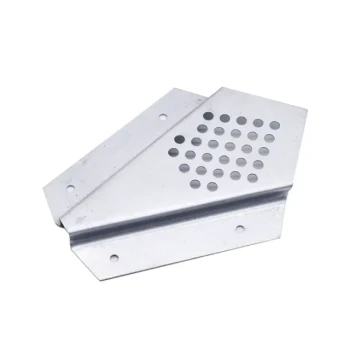
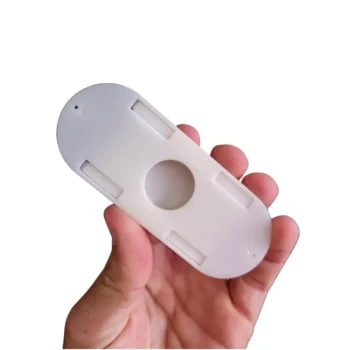
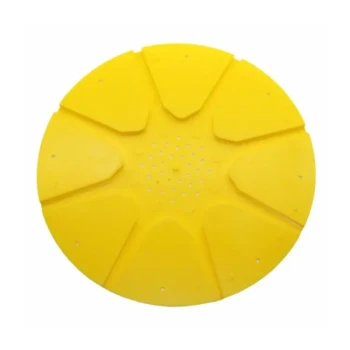
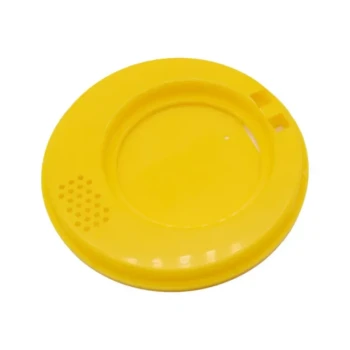
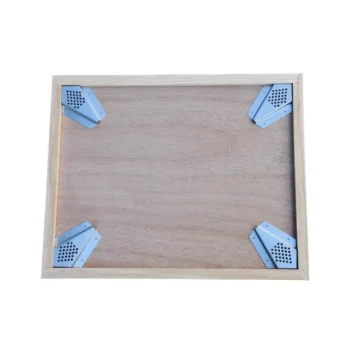
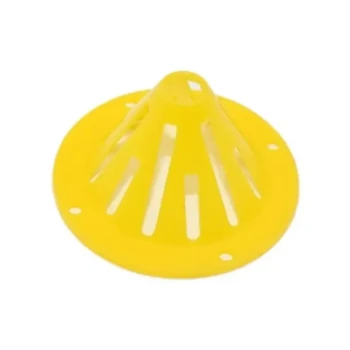
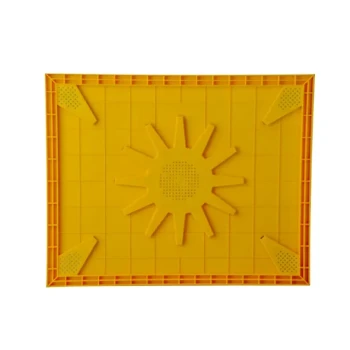
One-way bee escapes make honey super harvesting more efficient and safer by clearing worker bees before the supers are removed. Installed between the brood chamber and the honey supers, the device allows bees to move downward into the hive but prevents them from returning. After roughly 24 hours, the supers are usually substantially less populated, reducing hive disruption, bee exposure, frame handling difficulty, and the risk of honey contamination.
A bee escape turns bee removal from an active confrontation into a passive clearance process. By preparing the supers before harvest, beekeepers can remove heavy honey frames more calmly, cleanly, and consistently.
How One-Way Bee Escapes Work
Bees Exit Through a Controlled Passage
A one-way bee escape is typically fitted into an inner cover, crown board, or escape board positioned beneath the honey super. Worker bees can travel downward toward the brood chamber, but the passage prevents them from returning to the upper honey-storage area.
The device uses the bees' normal movement through the hive rather than relying on force, smoke-heavy manipulation, manual brushing, or chemical repellents.
Preparation Happens Before Harvest
The escape is installed approximately 24 hours before the planned harvest. This gives the worker bees time to leave the supers while the colony remains in its normal hive structure.
Actual clearance time can vary with the escape design, colony conditions, temperature, and super configuration. Beekeepers should confirm that the supers are adequately cleared before removing them rather than relying on the elapsed time alone.
How Bee Escapes Improve Harvesting Efficiency
They Reduce Manual Bee Removal
Without a bee escape, workers may need to brush or shake bees from individual frames. That adds labor, slows down collection, and increases handling of both bees and equipment.
A bee escape performs much of the clearance passively while the beekeeper prepares other harvesting tasks. This is especially valuable for commercial operations managing multiple hives or large orders.
They Make Heavy Supers Easier to Handle
Honey supers and fully loaded frames can be difficult to lift and transport. When fewer bees remain among the frames, beekeepers can focus on stable lifting, secure stacking, and efficient movement to the extraction area.
Reducing active bee presence also helps teams work more predictably when harvesting several supers in succession.
They Streamline the Pre-Extraction Workflow
Once the supers are substantially cleared, frames can move more directly from the hive to transport containers or the extraction area. This supports a more organized sequence of inspection, removal, uncapping, and extraction.
For distributors and B2B resellers, the practical value lies in offering compatible escape boards, inner-cover inserts, and related harvesting equipment as part of a complete sourcing solution rather than as isolated products.
How Bee Escapes Improve Safety and Honey Quality
They Reduce Hive Disruption
Brushing, shaking, and repeated opening of the hive can agitate bees and disturb the colony. A one-way escape allows clearance to occur with comparatively little additional intervention after installation.
Lower disturbance can make harvest conditions more manageable for beekeepers and staff working around multiple colonies.
They Lower the Risk of Stings
A super containing many bees is more difficult to lift, inspect, and transport safely. Clearing the harvest area reduces the number of bees encountered during frame removal, lowering exposure for beekeepers and nearby workers.
Bee escapes do not eliminate the need for protective clothing, proper handling, or appropriate hive-management practices.
They Help Keep Harvested Honey Cleaner
Fewer bees in the supers means fewer bees among the frames during removal and transport. This reduces the likelihood of accidental crushing, unnecessary debris, and contamination associated with rough or hurried handling.
The escape therefore supports a cleaner transition from hive to extraction without introducing chemical repellents into the harvesting process.
Why the Method Supports Professional Operations
It Provides Consistent, Low-Input Clearance
A properly installed escape can work while the beekeeper attends to scheduling, labor allocation, transport, and extraction preparation. This makes the method useful for operations that prioritize repeatable workflows and rapid order fulfillment.
Consistency depends on selecting the correct device for the hive setup and installing it securely so bees cannot bypass the one-way passage.
It Fits a Broader Harvesting Product Portfolio
A complete harvesting setup may include bee escape boards, inner covers, hive tools, protective equipment, transport containers, uncapping tools, and extraction equipment. Supplying these products through one source can simplify purchasing and improve equipment compatibility.
For wholesalers and resellers, this creates practical value through consolidated sourcing, responsive product guidance, and dependable fulfillment during seasonal demand.
It Supports Gentle Bee Management
The method is passive and chemical-free. It encourages bees to leave the harvest area naturally, helping reduce the need for disruptive manual removal methods.
That makes bee escapes a useful component of a broader approach focused on colony care, worker safety, and efficient harvesting.
Understanding the Trade-offs
Clearance Is Not Always Complete
A bee escape may leave some bees behind, particularly when conditions are unfavorable or the device is poorly fitted. Beekeepers should inspect the supers before removal and use appropriate follow-up methods if necessary.
A device that is blocked, damaged, incorrectly oriented, or installed with gaps may not produce the intended one-way movement.
Brood Can Prevent Effective Use
The method is designed to clear worker bees from honey supers, not to remove brood. If brood is present in the super, bees may remain to care for it, reducing the effectiveness of the escape.
Supers should therefore be inspected as part of normal harvest preparation.
Drones May Become Trapped
Some escape designs may not function effectively if a drone becomes stuck in the passage. This can obstruct movement and prevent the super from clearing properly.
The escape should be checked during installation and before harvesting, particularly when the colony contains significant drone activity.
Timing Requires Practical Judgment
Although approximately 24 hours is a common preparation period, clearance may take longer in some situations. Weather, colony strength, hive layout, and equipment design all affect results.
For demanding commercial schedules, the safest approach is to plan the installation in advance while retaining enough flexibility to verify clearance before collection.
How to Apply This to Your Project
A bee escape is most effective when treated as part of a complete, well-timed harvesting workflow.
- If your primary focus is harvesting efficiency: Install the escape in advance and verify clearance before removing supers to reduce manual bee handling and speed frame collection.
- If your primary focus is beekeeper and worker safety: Use the escape to reduce the number of bees in the harvest area while continuing to follow protective-equipment and hive-handling procedures.
- If your primary focus is honey cleanliness: Combine passive bee clearance with careful frame removal, transport, uncapping, and extraction practices.
- If your primary focus is commercial distribution or resale: Offer compatible escape boards and related harvesting equipment as a coordinated product range supported by fast response and reliable fulfillment.
- If your primary focus is colony welfare: Use the chemical-free escape as a low-stress alternative to repeated brushing, shaking, or aggressive hive disturbance.
Used correctly, one-way bee escapes give beekeepers a cleaner, calmer, and more predictable path from honey super to extraction room.
Summary Table:
| Aspect | Without Bee Escape | With One-Way Bee Escape |
|---|---|---|
| Manual bee removal | Often required (brushing/shaking) | Minimal; passive clearance |
| Hive disturbance | High (opening and handling) | Low; less intervention |
| Risk of stings | Increased due to bee presence | Reduced with fewer bees |
| Honey contamination risk | Higher (debris, crushing) | Lower; cleaner removal |
| Workflow efficiency | Slower, more labor-intensive | Faster, streamlined process |
Upgrade your harvesting workflow with one-way bee escapes and a full range of beekeeping equipment from HONESTBEE. Our wholesale solutions cater to commercial apiaries, distributors, and resellers, offering everything from bee escapes and hive tools to extraction machinery. With rapid response, dedicated support, and ultra-fast delivery, we help you maximize efficiency and safety. Contact us today to discuss your bulk requirements and OEM/ODM options.
Related Products
- Heavy Duty Metal Corner Bee Escape for Reliable Hive Clearing
- Professional Durable Two-Piece Plastic Bee Escape
- Durable 16 Way Circular Bee Escape for Efficient Honey Harvesting
- Efficient Hive Clearing: HONESTBEE 8-Way Plastic Bee Escape
- Circular Labyrinth Bee Escape for Efficient Hive Management
People Also Ask
- What are some common types of bee escapes and how are they typically mounted? Optimize Your Honey Harvest Efficiency
- What is the primary function of a bee escape? Simplify Your Honey Harvest with Stress-Free Hive Management
- How can a bee escape be adapted for use in a Warre hive? Effective Customization Methods for Successful Harvesting
- How can bees be cleared off honey supers in a Langstroth hive? Use a Gentle Bee Escape
- How long should a bee escape be placed before harvesting honey? The 24-48 Hour Guide to a Stress-Free Harvest