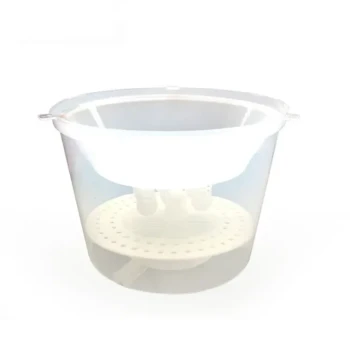
Plant-based attractants function by exploiting the Small hive beetle's olfactory system through a process known as chemotaxis. By releasing specific volatile compounds found in plant secondary metabolites—specifically decanal and ethyl octanoate—these lures mimic natural food sources to precisely guide beetles into traps containing lethal agents.
Core Takeaway The effectiveness of plant-based attractants lies in the "lure and kill" strategy. Instead of treating the entire hive, these volatiles draw beetles into a contained environment where they are eliminated by substances like boric acid, significantly reducing the risk of insecticide contamination in honey and beeswax.
The Biological Mechanism
Chemotaxis and Secondary Metabolites
Small hive beetles rely heavily on scent to locate food and breeding grounds. Plant-based attractants utilize chemotaxis, a biological response where the insect moves toward a specific chemical stimulus. The attractants release plant secondary metabolites, which the beetles perceive as high-value targets.
The Key Volatile Compounds
The primary reference highlights two specific volatile compounds: decanal and ethyl octanoate. These chemicals are synthesized to replicate the precise odor profiles that beetles naturally seek out, effectively tricking them into entering the trap.
Precision Targeting
Unlike broad scents that might confuse bees, these specific plant volatiles are tuned to the beetle's sensory preferences. This ensures that the trap targets the pest population without disrupting the pheromone communication or daily activities of the honeybee colony.
The "Lure and Kill" Strategy
From Attraction to Elimination
The attractant is only the first half of the equation; its job is to guide the beetle into a specialized physical device. Once the beetle enters the trap seeking the source of the scent, it encounters a killing agent.
Contained Lethality
According to the primary technical data, these traps often utilize insecticidal substances like boric acid within the trap housing. Because the attractant lures the beetle into the device, the toxicant remains isolated.
Environmental Safety
This method drastically improves biosecurity. By confining the insecticide to a trap that only the beetle enters, beekeepers avoid direct exposure of the colony to chemicals. This preserves the health of the bees and ensures the purity of hive products.
Synergy with Trap Design
Exploiting Photophobia
While the scent draws them in, the physical trap relies on the beetle's photophobia (fear of light). Traps often feature a black outer casing or dark crevices, simulating the beetle's preferred hiding spots and preventing light from degrading the volatile bait.
Shelter-Seeking Behavior
Beetles naturally seek narrow crevices to hide from aggressive guard bees. Specialized traps mimic these safe harbors. When combined with the irresistible scent of the plant-based attractant, the trap becomes a "super-stimulus" that addresses both the beetle's need for food and its need for safety.
Understanding the Trade-offs
Maintenance Requirements
Plant-based volatiles are not permanent. The organic nature of the attractant means it will eventually degrade or evaporate. Consistent monitoring is required to replenish the lure and remove dead beetles to maintain efficacy.
Specificity Limits
While highly effective for Aethina tumida, these specific plant metabolites are targeted tools. They do not repel other pests (like mites) and must be viewed as one component of a broader Integrated Pest Management (IPM) strategy.
Chemical Handling
Although the "lure and kill" strategy isolates toxins, the use of substances like boric acid requires careful handling. Any spillage within the hive during trap maintenance can negate the environmental safety benefits.
Making the Right Choice for Your Goal
This technology offers a balance between chemical efficacy and mechanical safety.
- If your primary focus is Environmental Safety: Utilize these attractants to isolate toxins within the trap, ensuring zero contact between insecticides and your honey frames.
- If your primary focus is Infestation Monitoring: Use the traps as a quantitative tool; the strong attraction rate allows you to accurately gauge beetle density based on the daily catch rate.
Success depends on the consistent maintenance of the volatile lures to ensure the "scent trail" remains stronger than the natural odors of the hive.
Summary Table:
| Feature | Mechanism | Benefit to Beekeeper |
|---|---|---|
| Attractant Type | Plant-based Volatiles (Decanal, Ethyl Octanoate) | High specificity; won't disrupt honeybee pheromones. |
| Primary Strategy | "Lure and Kill" via Chemotaxis | Isolates toxins from honey and wax, ensuring hive purity. |
| Lethal Agent | Contained Boric Acid | Highly effective beetle elimination with zero colony exposure. |
| Trap Design | Photophobic (Dark) Housing | Exploits beetle hiding instincts for higher capture rates. |
| Sustainability | Integrated Pest Management (IPM) | Reduces reliance on hive-wide chemical treatments. |
Maximize Your Apiary Productivity with HONESTBEE
Protecting your colony from the Small hive beetle is essential for a thriving honey harvest. At HONESTBEE, we specialize in supporting commercial apiaries and distributors with a comprehensive wholesale range of professional-grade beekeeping tools and equipment. From precision-engineered hive-making and honey-filling machinery to high-efficacy traps and industry consumables, we provide the hardware you need to scale your operations.
Why partner with HONESTBEE?
- Comprehensive Portfolio: Access everything from specialized hardware to honey-themed cultural merchandise.
- Industry Expertise: We cater specifically to the high-volume needs of large-scale beekeeping businesses.
- Reliable Supply Chain: Ensure your inventory is always stocked with the latest in pest management and honey processing technology.
Ready to elevate your beekeeping business? Contact us today to discuss our wholesale offerings and discover how our solutions can safeguard your hives and boost your bottom line!
References
- Nikoletta Ntalli, Zbigniew Adamski. The role of botanical treatments used in apiculture to control arthropod pests. DOI: 10.1007/s13592-022-00924-7
This article is also based on technical information from HonestBee Knowledge Base .
Related Products
- Removable Washable Hive Beetle Trap Attractants for Small Hive Beetles
- Black Plastic Beetle Barn Hive Beetle Trap for Beehives
- Reusable Clear Small Hive Beetle Traps for Beehives Beetle Trapping Tools
- Reusable Aluminium Beetle Trap for Small Hive Beetles Silver Bullet
- Plastic Beetle Blaster Trap Beekeeping Tools and Supplies
People Also Ask
- How should powdered substances be used in beetle traps for hive beetle control? Expert Guide for Maximum Colony Protection
- What are the three main types of hive beetle traps? Expert Solutions for Protecting Your Bee Colonies
- What are the types of hive beetle traps available? Master Your Beetle Control Strategy
- What are the main types of hive beetle traps available? A Beekeeper's Guide to Effective Control
- What are the available chemical-free options for trapping hive beetles? Safe and Effective Pest Management Solutions