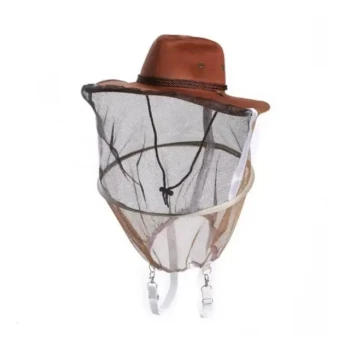
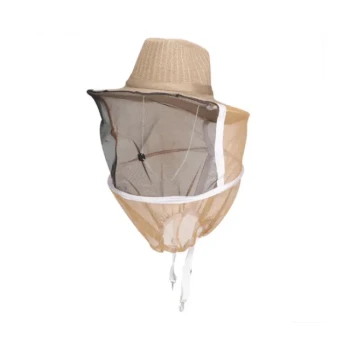
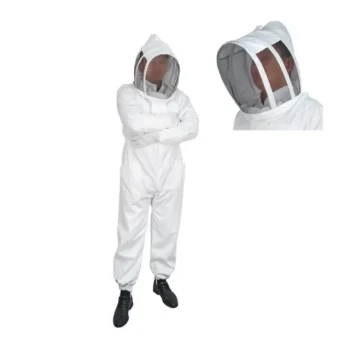
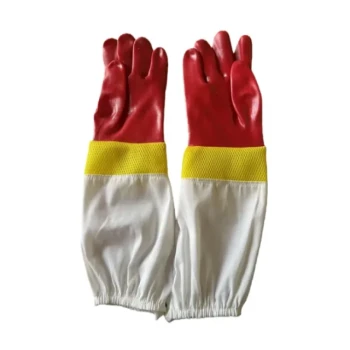
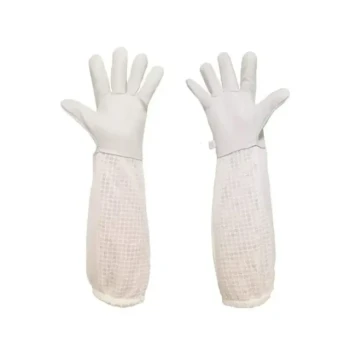
Professional beekeeping gear assists in pest control primarily by enabling human access. While protective clothing and tools do not chemically eliminate pests, they create the safe environment necessary for beekeepers to conduct the frequent, thorough inspections required for early detection.
Core Takeaway: The link between equipment and pest control is indirect but critical: high-quality gear removes the physical risk to the operator, ensuring that hives are opened and inspected regularly. This consistent monitoring allows for the early identification of threats like wax moths and ants before they destroy the colony.
The Role of Accessibility in Pest Management
Removing the Barrier of Fear
The primary obstacle to effective pest control is infrequent monitoring due to the risk of stings. Professional protective clothing and veils provide a secure environment, allowing the beekeeper to focus on the inspection rather than their own safety.
Enabling Routine Inspections
Pests such as wax moths and ants thrive when a colony is weak or unmonitored. By using professional safety gear, operators can adhere to a strict schedule of regular checks, ensuring these pests are detected while infestations are still manageable.
Enhancing Operational Precision
High-quality gear reduces the operator's urge to rush through an inspection to avoid stings. This allows for a thorough visual examination of the comb and hive floor, which is essential for spotting small parasites or early signs of disease.
Tools as Physical and Biological Barriers
Mechanical Exclusion of Predators
Hive stands are critical management tools that serve as the first line of defense against ground-based threats. By utilizing smooth surfaces or specialized coatings, stands effectively block the entry paths of ants, small hive beetles, and larger predators like honey badgers.
Preventing Pathogen Transmission
Professional clothing and tools play a vital role in apiary biosecurity. Strict protocols regarding the use and disinfection of this equipment create a barrier against the mechanical transmission of pathogens, such as American Foulbrood (AFB) spores, preventing the spread of infection between colonies.
Minimizing Structural Damage
Specialized hive tools allow beekeepers to pry open propolized components without damaging the hive's timber or structure. Preserving the structural integrity of the hive eliminates gaps and cracks where pests often hide or enter.
Stress Reduction and Colony Health
Regulating Bee Temperament
Tools like the smoker are engineered to minimize defensive behavior during human intervention. By regulating bee temperament, the beekeeper can manage the colony with minimal disruption, preserving the colony's energy for maintaining internal order and hygiene.
Preventing Colony Migration
External stress from predators and pests often causes a colony to abscond (migrate). By using stands and protective infrastructure to reduce this stress, beekeepers significantly decrease the likelihood of colony loss due to environmental disturbances.
Understanding the Trade-offs
The Risk of the Vector
While tools are essential for management, they can become vectors for disease if not properly maintained. A hive tool used on an infected colony can easily transfer pathogens to a healthy one if disinfection protocols are ignored.
Equipment is Not a Substitute for Knowledge
Owning professional gear facilitates access, but it does not automate pest detection. The equipment only provides the opportunity to inspect; the beekeeper must still possess the technical knowledge to identify pests and diseases once the hive is open.
Making the Right Choice for Your Goal
To maximize the effectiveness of your equipment in your pest management strategy, consider your primary objectives:
- If your primary focus is Early Detection: Prioritize maximum-protection clothing that allows you to inspect aggressive hives comfortably and frequently without rushing.
- If your primary focus is Biosecurity: Invest in tools and clothing materials that are easy to clean and disinfect to prevent cross-contamination between apiaries.
- If your primary focus is Ground-Based Pests: Focus on hive stands with specialized coatings or barriers to physically block ants and beetles from reaching the colony.
Professional equipment transforms pest control from a reactive emergency into a proactive, manageable routine.
Summary Table:
| Feature | Role in Pest Control | Primary Benefit |
|---|---|---|
| Protective Clothing | Facilitates safe, frequent hive access | Early detection of infestations |
| Hive Stands | Mechanical exclusion of ground pests | Blocks ants and small hive beetles |
| Smokers | Regulates bee temperament during checks | Minimizes colony stress and disruption |
| Hive Tools | Preserves hive structural integrity | Eliminates pest hiding spots/cracks |
| Disinfection Protocols | Biosecurity barrier | Prevents pathogen cross-contamination |
Partner with HONESTBEE for Professional-Grade Apiary Solutions
At HONESTBEE, we empower commercial apiaries and distributors with the high-performance tools and machinery necessary for sustainable colony management. From advanced hive-making and honey-filling machines to durable protective gear and specialized beekeeping hardware, our comprehensive wholesale portfolio is designed to enhance your operational efficiency.
Why choose HONESTBEE?
- Comprehensive Inventory: A full spectrum of equipment, tools, and essential consumables.
- Commercial Focus: Tailored solutions specifically for large-scale operations and distributors.
- Industry Expertise: High-quality machinery that ensures precision in honey production and hive maintenance.
Ready to scale your beekeeping operations and protect your colonies? Contact us today to explore our wholesale offerings!
References
- Chala Kinati. Opportunities and challenges of honey production in Gomma district of Jimma zone, South-west Ethiopia. DOI: 10.5897/jaerd11.047
This article is also based on technical information from HonestBee Knowledge Base .
Related Products
- Premium Cowboy Beekeeper Hat with Visibility Veil Outdoor Professional Beekeeping Protective Gear
- Multi-Function Plier-Style Frame Grip Hive Tool
- Durable Galvanized Steel Frame Grip
- HONESTBEE 15-in-1 Beekeeper Multi-Tool with Hammer and Pliers for Beekeeping
- Beekeeping Jacket with Hood and Veil for Beekeepers
People Also Ask
- What design features contribute to the stability and fit of the beekeeper hat? Key Features for Maximum Hive Safety
- How is the beekeeper hat designed for comfort and practicality? Explore Key Features for Enhanced Apiary Safety
- What is the general protective gear recommendation for new beekeepers? Your Essential Beginner's Safety Guide
- How does beekeeping protective gear facilitate the queen bee selection process? Enhancing Precision in Queen Breeding
- What should beekeepers consider when choosing protective gear? A Guide for Maximum Safety & Comfort