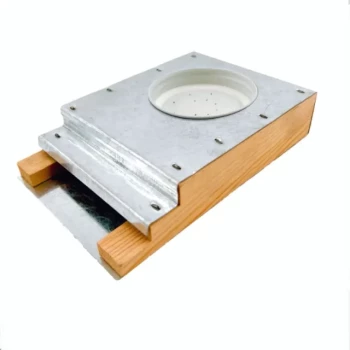
Professional feeders and watering equipment serve as a critical life-support system for honeybee colonies when natural resources disappear. By delivering artificial nutrition—specifically sugar syrup and pollen substitutes—and clean hydration directly to the hive, these tools act as a metabolic bridge. This intervention prevents the colony from collapsing due to starvation or migrating (absconding) in search of better resources, ensuring the population remains robust enough to capitalize on the next nectar flow.
Core Insight: The primary goal of using professional equipment during a dearth is not just survival, but operational continuity. It simulates resource stability, tricking the colony into maintaining high brood-rearing levels so the workforce is at peak capacity the moment the season turns.
The Strategic Role of Nutritional Support
Preventing Biological Collapse
When natural nectar and pollen sources are exhausted, a colony's energy reserves deplete rapidly. Professional feeders allow beekeepers to introduce high-concentration sugar syrup and grain flours as immediate energy substitutes.
Without this intervention, the colony faces imminent starvation, which can lead to mass die-offs or a total population crash.
Mitigating the Absconding Instinct
Bees have a natural survival instinct to abandon a hive (abscond) if resources in the immediate area are insufficient.
By maintaining a steady supply of food and water through specialized equipment, you suppress this migration reflex. This ensures the colony remains resident and stable within the apiary, even during prolonged dry seasons or harsh weather.
Mechanics of Colony Maintenance
Sustaining the Queen’s Activity
The most critical function of supplementary feeding is maintaining the queen bee's egg-laying consistency.
In the absence of incoming food, the queen will naturally stop laying eggs to conserve resources. Feeders simulate a "nectar flow," signaling the queen to continue production and preventing a demographic gap in the workforce.
Ensuring Brood Development
Internal feeders, such as frame or top feeders, deliver nutrients directly to the core area of the hive.
This precision ensures that nurse bees have the energy and protein (via pollen substitutes) required to secrete royal jelly. This is essential for developing healthy larvae and queen cells, even when external climatic conditions are non-ideal.
Critical Considerations and Trade-offs
The Necessity of Balanced Nutrition
While sugar syrup provides energy, it does not support tissue growth or brood rearing on its own.
Relying solely on carbohydrate supplements without introducing protein sources (like pollen patties or substitutes) can lead to a population that survives but cannot reproduce effectively. Professional management requires balancing energy inputs with protein inputs to maintain colony strength.
The Risk of Artificial Dependency
Feeding systems must be used as a bridge, not a permanent crutch.
Over-reliance on artificial feed outside of dearth periods can mask underlying issues with the local forage environment or colony health. The goal is to maintain the colony's "survival threshold" only until natural sources, such as rapeseed or lychee blooms, become available again.
Making the Right Choice for Your Goal
To maximize the effectiveness of your equipment during a dearth, align your feeding strategy with your specific apiary objectives:
- If your primary focus is Colony Survival: Prioritize high-concentration sugar syrup delivery to maintain adult bee energy levels and prevent starvation-induced absconding.
- If your primary focus is Spring Readiness: Incorporate protein-rich pollen substitutes to sustain the queen's egg-laying and ensure a strong population of nurse bees is ready for the first bloom.
By using these tools to stabilize the hive's environment, you transform a season of scarcity into a period of strategic preparation.
Summary Table:
| Feature | Function during Dearth | Primary Benefit |
|---|---|---|
| Professional Feeders | Delivers sugar syrup & pollen substitutes | Prevents starvation & maintains brood rearing |
| Watering Equipment | Provides clean, consistent hydration | Regulates hive temperature & aids digestion |
| Internal Frame Feeders | Direct nutrient delivery to the core | Minimizes energy waste & prevents robbing |
| Pollen Substitutes | Supplies essential proteins | Ensures nurse bee health & larval development |
Secure Your Apiary’s Future with HONESTBEE
Don't let a nectar dearth compromise your investment. HONESTBEE provides commercial apiaries and distributors with the professional-grade feeding systems and specialized machinery needed to maintain hive productivity year-round. From high-capacity hive-making equipment to precision honey-filling machines and essential consumables, our comprehensive wholesale portfolio is designed to help your business scale and succeed.
Ready to fortify your colonies and optimize your operations? Contact us today to explore our full spectrum of beekeeping tools and industry-leading solutions tailored for your success.
References
- Fekadu Seboka, Mezgeb Workiye. Assessment of Major Honey Bee Forage Resources and Floral Calendar Establishment in Selected Districts of Arsi Zone, Oromia Region State, Ethiopia. DOI: 10.7176/jrdm/83-02
This article is also based on technical information from HonestBee Knowledge Base .
Related Products
- Boardman Entrance Bee Feeder Durable Galvanized Steel and Wood Construction for Beekeeping
- 3.5L Plastic Beehive Frame Feeder Deep Frame Water Feeder for In Hive Use
- Rapid Bee Feeder White Plastic 2L Round Top Feeder for 8 or 10-Frame Bee Hives
- HONESTBEE Entrance Bee Feeder Efficient Hive Front Liquid Feeding Solution for Beekeeping
- White Plastic 0.5L Beekeeping Entrance Feeder for Bees
People Also Ask
- What types of bee feeders are available for beginners? Start with the Simple Entrance Feeder
- How does a bee entrance feeder work? A Simple Guide to Convenient Hive Feeding
- What is a bee entrance feeder and what are its drawbacks? Essential Guide to Hive Security and Feeding Efficiency
- What are the advantages and disadvantages of using an entrance feeder for bees? Balance Convenience and Hive Security.
- How to make an entrance feeder for bees? A DIY Guide for Safe & Effective Feeding