Professional honey storage and logistics systems bridge the gap between seasonal harvesting cycles and the continuous demand of the global commercial market. By utilizing climate-controlled facilities and precision packaging technology, these systems ensure that honey remains biologically stable and shelf-ready year-round. This infrastructure allows suppliers to maintain a consistent "one-stop" inventory, providing B2B clients with price stability and reliable order fulfillment regardless of the current harvest season.
The integration of professional-grade storage and specialized logistics transforms a seasonal agricultural product into a stable, high-performance industrial commodity. This technical foundation is essential for maintaining product integrity, meeting strict regulatory standards, and ensuring uninterrupted supply chains for global distributors.
Overcoming Seasonal Supply Constraints
Ensuring Year-Round Inventory Availability
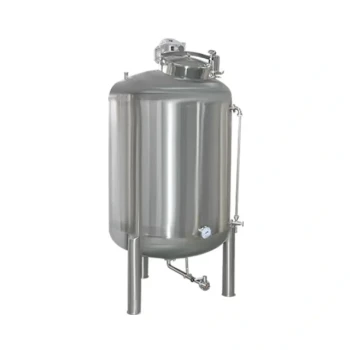
While honey production is strictly seasonal, commercial demand from the catering and retail sectors remains constant throughout the year. Professional storage facilities allow suppliers to maintain strategic reserves harvested during peak periods, effectively decoupling supply from the natural harvest window. This capability ensures that distributors and wholesalers have access to a full-spectrum product portfolio even during non-production months.
Price Stability and Market Entry Optimization
Advanced storage environments allow beekeepers and suppliers to manage inventory based on market fluctuations rather than being forced to sell immediately post-harvest. By controlling the timing of market entry, suppliers can offer more predictable pricing structures and long-term contracts to their B2B partners. This refined inventory management protects resellers from the volatility typically associated with raw agricultural commodities.
Maintaining Product Integrity and Quality
Precision Control of Environmental Factors
Honey is highly hygroscopic, meaning it readily absorbs moisture and odors from the surrounding environment if not stored correctly. Professional storage systems utilize precision temperature and humidity regulation to inhibit yeast activity and prevent the fermentation that leads to spoilage. These controlled environments also manage the crystallization process, ensuring the honey retains the specific physical characteristics required by end-users.
Preservation of Bioactive Compounds
Commercial-grade systems are designed to maximize the retention of heat-sensitive enzymes (such as diastase) and bioactive substances like flavonoids. By using precision heat treatment and specialized filtration, suppliers can remove impurities without compromising the honey’s physicochemical indicators. This ensures the final product meets the rigorous biological activity requirements of the pharmaceutical and premium food industries.
Streamlining Global Order Fulfillment
Standardized Packaging and Contamination Prevention
Professional filling machinery and food-grade sealed containers are critical for preventing secondary contamination during the packaging phase. High-strength, standardized logistics packaging protects the product from physical stress and environmental fluctuations during long-distance international transport. These specialized containers block external smells and moisture, preserving the honey’s natural flavor profile until it reaches the final destination.
Rapid Response and Logistics Efficiency
An established logistics system enables ultra-fast delivery by streamlining the transition from storage to transit. Efficient order fulfillment is supported by deep professional expertise in handling the high viscosity and specific transport requirements of bulk honey. This allows B2B resellers to maintain leaner inventories, knowing they can rely on their supplier's rapid response times to meet sudden market shifts.
Understanding the Trade-offs
Balancing Stability and Bioactivity
While heat treatment is necessary to manage crystallization and ensure a smooth texture, excessive heat can damage the honey’s delicate enzyme profile. Suppliers must find a technical balance between shelf-life stability and the preservation of the raw honey’s original nutritional value.
Operational Overhead vs. Product Grade
Maintaining ultra-precise climate control and high-standard sealed logistics significantly increases operational costs compared to basic warehousing. Distributors must weigh the higher cost of professionally managed supply chains against the risk of product loss through fermentation or failure to meet regulatory quality indicators.
Making the Right Choice for Your Goal
To secure a competitive advantage in the honey market, distributors should align their sourcing strategy with their specific quality and volume requirements.
- If your primary focus is premium retail or pharmaceutical grades: Prioritize suppliers who utilize climate-controlled storage and advanced filtration to preserve heat-sensitive enzymes and bioactive compounds.
- If your primary focus is high-volume catering or industrial supply: Partner with suppliers who maintain large strategic reserves and offer standardized, high-strength packaging to ensure consistent year-round volume.
- If your primary focus is international distribution and export: Ensure your partner has the logistics expertise and sealed packaging systems necessary to meet strict international regulatory standards for moisture and HMF levels.
Professional logistics and storage are the indispensable foundation of a resilient, high-quality, and profitable honey supply chain.
Summary Table:
| Key Feature | Commercial Benefit | Supply Chain Impact |
|---|---|---|
| Climate Control | Prevents fermentation & spoilage | Guarantees consistent product quality |
| Strategic Reserves | Year-round inventory access | Decouples supply from harvest seasons |
| Advanced Packaging | Prevents secondary contamination | Ensures safe, stable global transport |
| Rapid Logistics | Ultra-fast order fulfillment | Allows distributors to maintain leaner stock |
Partner with HONESTBEE for Your One-Stop Beekeeping Wholesale Needs
Are you looking to stabilize your supply chain and maximize profit margins? HONESTBEE caters specifically to commercial apiaries and B2B distributors with a comprehensive, one-stop sourcing solution.
Why Choose HONESTBEE?
- Full-Spectrum Portfolio: From specialized hardware like hive-making and honey-filling machines to a wide array of industry consumables and cultural merchandise.
- Unmatched Efficiency: Benefit from our ultra-fast delivery, rapid response times, and deep professional expertise in global logistics.
- Dedicated Support: We provide exceptional customer service and premium trading services, including OEM/ODM support and regulatory compliance assistance.
Take your beekeeping business to the next level with a reliable partner. Contact our team today to discuss wholesale opportunities!
References
- Alejandra Flórez, Dominican Republic Innovación Rural Desarrollo Sostenible SRL. Gastronomy as a Key for Market Access and Value Chain Development for Honey- Case Study in the Dominican Republic. DOI: 10.61440/jesar.2025.v3.120
This article is also based on technical information from HonestBee Knowledge Base .
Related Products
- Professional Honey Storage Tank with Agitation System
- Stainless Steel Honey Storage and Settling Tank with Double Strainer
- Stainless Steel Honey Storage Tank with Lid for Honey
- Hexagonal Glass Honey Jar with Wooden Lid Integrated Dipper Elegant Functional Storage
- Classic Glass Honey Jar with Metal Lug Cap for Beehive Storage
People Also Ask
- What economic role do honey storage tanks play? Boost Your Revenue Through Strategic Inventory Management
- What roles do industrial honey storage tanks and filtration meshes play in processing? Ensure Purity & Consistency
- What is the purpose of a honey storage tank? Streamline Your Honey Processing for Quality & Efficiency
- What are honey storage tanks used for? Essential Features for Quality Preservation and Profit
- How do large honey storage tanks and gravity fall filling systems improve honey packaging efficiency and safety?