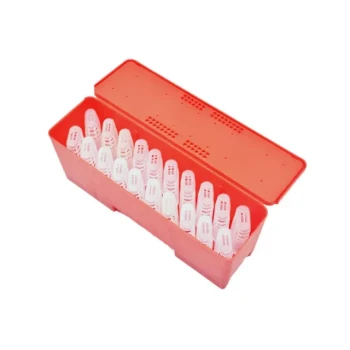
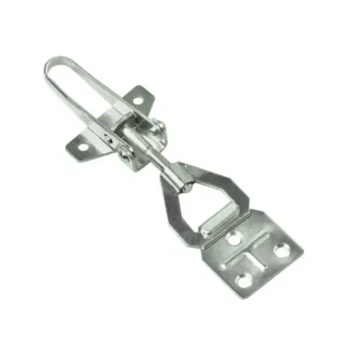
Professional transportation equipment and reinforcement tools act as a critical shield for bee colonies, directly increasing survival rates by neutralizing physical and environmental stressors. These specialized tools—specifically industrial-grade straps, shock-absorbing mounts, and ventilated racks—prevent hive displacement and regulate the internal climate during transit. By minimizing vibration and ensuring constant airflow, this equipment prevents the two primary causes of transit mortality: suffocation and physical trauma.
The success of a colony transfer depends less on the speed of transport and more on the stability of the environment. Specialized gear transforms relocation from a high-stress event into a controlled operation, protecting both the biological vitality of the bees and the economic investment of the apiary.
The Mechanics of Hive Stability
Minimizing Vibration and Shock
Standard transport methods on rugged roads transfer significant vibration into the hive structure. This physical agitation causes extreme stress within the colony.
Professional equipment utilizes integrated shock absorption systems to dampen these movements. By isolating the hives from road impact, the colony remains calm, reducing energy expenditure and preventing physical injury to the queen and workers.
Preventing Physical Displacement
On uneven terrain, hives are prone to shifting, tipping, or sliding, which can crush bees or destroy comb structures.
Industrial-grade reinforcement straps provide rigid security that standard ropes cannot match. These tools anchor the hives firmly to transport racks, ensuring that the physical orientation of the colony remains constant regardless of vehicle motion.
Managing Environmental Stressors
Regulating Thermal Fluctuations
Sudden temperature spikes during transit are a leading cause of colony loss. When bees are confined, their collective body heat can rise rapidly, leading to overheating.
Professional transport racks are designed specifically to mitigate this risk. They facilitate consistent airflow around the hives, preventing heat buildup and smoothing out the sharp temperature differences between the moving vehicle and the outside air.
Eliminating the Risk of Suffocation
Inadequate ventilation is fatal to a stressed colony. As bees become agitated, their oxygen demand increases, making airflow critical.
Well-ventilated hive transport racks ensure that oxygen reaches every unit, even when hives are stacked densely. This prevents the "suffocation effect" often seen in amateur transport setups, directly lowering mortality rates.
Economic and Operational Implications
Protecting Economic Returns
For migratory apiaries, the loss of a colony is a direct financial hit. High mortality rates during transit erode the profitability of the entire season.
By maintaining low loss rates through proper reinforcement and stabilization, professional equipment protects the apiary's bottom line. It ensures that the resources invested in raising the bees are not wasted during the final mile of logistics.
Ensuring Immediate Pollination Readiness
Survival is only the first metric; vitality is the second. A colony that survives but is severely stressed requires a recovery period before it can work.
By protecting the bees' physical vulnerability, professional equipment ensures high vitality upon arrival. This allows the colony to begin pollination tasks immediately at agricultural sites, maximizing the value provided to farmers.
Understanding the Trade-offs
The Cost of Investment
Professional transport systems represent a significant upfront capital expenditure compared to makeshift solutions.
However, this cost must be weighed against the cumulative cost of colony replacement. For commercial operations, the equipment typically pays for itself by preventing the loss of just a few established colonies.
Equipment Cannot Fix Poor Timing
While reinforcement tools mitigate physical stress, they cannot compensate for poor logistical planning.
Transporting bees during the hottest part of the day or over excessively long durations without breaks can still harm the colony, regardless of the equipment used. These tools are force multipliers for good management, not replacements for it.
Making the Right Choice for Your Goal
To maximize the success of your colony transfers, align your equipment choice with your specific operational focus:
- If your primary focus is Economic ROI: Invest in industrial-grade reinforcement straps and sturdy racking to minimize physical loss rates on rugged roads.
- If your primary focus is Pollination Efficiency: Prioritize equipment with advanced shock absorption and ventilation to ensure bees arrive with high vitality and immediate energy.
Professional equipment is not merely a convenience; it is an infrastructure requirement for maintaining a sustainable and profitable beekeeping operation.
Summary Table:
| Equipment Type | Key Mechanism | Primary Benefit |
|---|---|---|
| Reinforcement Straps | Industrial-grade rigid security | Prevents hive displacement and physical damage |
| Ventilated Racks | Enhanced airflow management | Prevents overheating and suffocation in transit |
| Shock Absorbers | Vibration dampening | Minimizes colony stress and protects the queen |
| Specialized Mounts | Structural isolation | Ensures stability on rugged terrain and uneven roads |
Maximize Your Colony Survival Rates with HONESTBEE
Protect your biological assets and your bottom line with professional-grade logistics solutions. At HONESTBEE, we understand the unique challenges faced by commercial apiaries and distributors. We provide a comprehensive wholesale range of:
- Beekeeping Machinery: Hive-making and honey-filling machines for high-volume operations.
- Hardware & Tools: Industrial-grade reinforcement and transport equipment designed for durability.
- Essential Consumables: A full spectrum of supplies to maintain colony health and productivity.
From specialized hardware to honey-themed cultural merchandise, we help your business scale efficiently. Contact us today to upgrade your transport infrastructure and ensure your bees arrive ready for peak pollination performance.
References
- Önder Öztürk, Cengiz ERKAN. Bal Arısı Yetiştiriciliğinde Yerel Kışlatma Alanlarına Yönelik Bir Değerlendirme: Cizre Örneği*. DOI: 10.29185/hayuretim.725723
This article is also based on technical information from HonestBee Knowledge Base .
Related Products
- Plastic Transporting Bee Packages and Nuc Boxes for Beekeeping
- Portable Queen Bee Incubator with 12V Car Adapter for Safe Transport
- Professional Queen Bee Introduction and Transport Cage
- Durable Plastic Interlocking Hive Connector for Beekeeping
- Professional Queen Cage with Sliding Gate and Feeder Plug
People Also Ask
- What role do bee package boxes play in the commercial transport and expansion of honeybee colonies? - Logistic Essentials
- What are beekeeping boxes called? A Guide to Hive Bodies and Box Types
- How do standardized bee packages serve as a recovery mechanism for commercial beekeeping? Ensure Business Continuity
- What is the commercial value of using standardized bee packages? Drive Scalability in Large-Scale Apiaries
- Why is the timely introduction of high-quality bee packages critical? Save Your Apiary from Asian Hornet Invasions