Propolis Traps leverage the innate behavior of Cape honey bees to protect and seal their living space. By introducing a specialized grid that mimics structural gaps, the device triggers the colony's instinct to gather resin and deposit it onto the trap, allowing for the passive yet efficient collection of natural antibacterial compounds.
The core principle of a Propolis Trap is the conversion of a biological defense mechanism into a harvesting method; it simulates hive imperfections to induce the deposition of high-quality, resin-rich propolis without active interference.
The Biological Mechanism
Exploiting the Sealing Instinct
Cape honey bees possess a strong natural drive to seal crevices and gaps within their hive. This behavior is essential for maintaining internal temperature and preventing the intrusion of pests or drafts.
The Propolis Trap functions by technically "tricking" the bees into perceiving the trap's structure as a series of gaps that require immediate attention.
The Role of Resin Secretion
To seal these perceived gaps, the bees secrete and deposit propolis, a resinous mixture. This substance acts as both a weather-resistant "glue" and a biological shield for the colony.
The Collection Process
The Specialized Grid
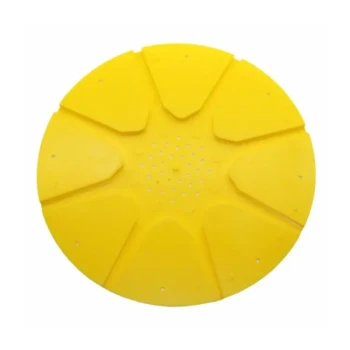
The trap itself acts as a specialized consumable component within the apiary setup. It features a specific grid structure designed to maximize surface area for deposition.
Bees work to fill the grid spaces with raw propolis, gradually building up a harvestable layer of the material over time.
Harvesting Medicinal Compounds
The primary output of this process is raw propolis, which is highly valued for its natural antibiotic properties.
By using a trap, beekeepers can collect this material in a relatively pure form, suitable for processing into medicinal products or health supplements.
Understanding the Trade-offs
Reliance on Colony Strength
The effectiveness of a Propolis Trap is directly tied to the colony's vitality and instinctual drive. A weak colony may prioritize basic survival over sealing "non-critical" gaps in a trap, leading to lower yields.
Consumable Nature of Equipment
Unlike permanent hive structures, these traps are often treated as consumables. This implies a recurring operational cost or maintenance requirement to ensure the grids remain clean and effective for repeated collection cycles.
Making the Right Choice for Your Goal
To effectively utilize Propolis Traps, align your usage with your specific end-goals for the apiary products.
- If your primary focus is medicinal production: Prioritize the regular rotation of traps to harvest fresh, raw propolis with maximal antibiotic potency.
- If your primary focus is hive health monitoring: Use the rate at which bees fill the trap as a metric for colony strength and their capacity for resin foraging.
Mastering the use of Propolis Traps allows you to harvest a high-value biological resource while respecting the natural behaviors of the colony.
Summary Table:
| Feature | Description | Benefit |
|---|---|---|
| Mechanism | Simulates hive gaps using a specialized grid | Triggers instinctual sealing behavior |
| Primary Output | Raw, resin-rich propolis | High concentration of natural antibiotics |
| Equipment Type | Specialized apiary consumable | Allows for passive, non-invasive collection |
| Success Factor | Colony vitality and seasonal resin flow | High-purity yields for medicinal processing |
Elevate Your Commercial Apiary with HONESTBEE
At HONESTBEE, we specialize in empowering commercial apiaries and distributors with the tools needed for professional-grade propolis harvesting. Whether you require specialized propolis traps and consumables or advanced honey-processing machinery, our comprehensive wholesale portfolio is designed to maximize your production efficiency.
From hive-making hardware to honey-themed cultural merchandise, we provide the full spectrum of equipment to help you deliver premium medicinal-grade products to your customers. Contact us today to optimize your apiary’s output and discover how our industry-leading solutions can grow your business.
References
- Jamie Ellis. Cape Honey Bee Apis mellifera capensis Escholtz. DOI: 10.32473/edis-in916-2011
This article is also based on technical information from HonestBee Knowledge Base .
Related Products
- 8 Frame and 10 Frame Propolis Trap Collector Screen for Propolis Collection
- Removable Plastic Pollen Trap With Ventilated Tray for Bees Pollen Collector
- 30 cm Plastic Entrance Hole Bee Pollen Trap and Collector
- High-Efficiency Diamond Maze Bee Escape for Clearing Supers
- Plastic Bee Pollen Trap Strips Comb Catcher Collector
People Also Ask
- Why is a specific wooden frame required when installing a propolis screen? Optimize Your Propolis Harvest Efficiency
- What are the advantages of using propolis collector screens? Elevate Your Harvest to Pharmaceutical Purity
- How do propolis collection screens work? Discover material specs for commercial harvesting equipment
- How does the mesh size of a propolis collection screen influence the efficiency of propolis harvesting? Optimize Yields!
- How do commercial-grade plastic screens compare to custom fine-mesh screens? Maximize Your Propolis Yield & ROI