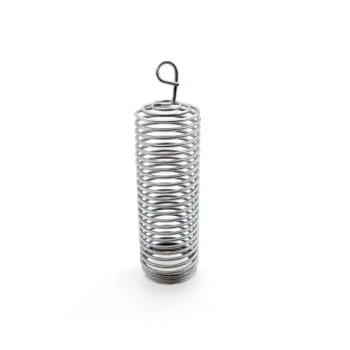
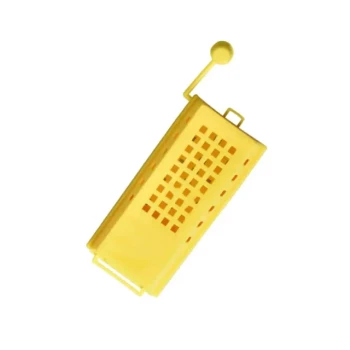
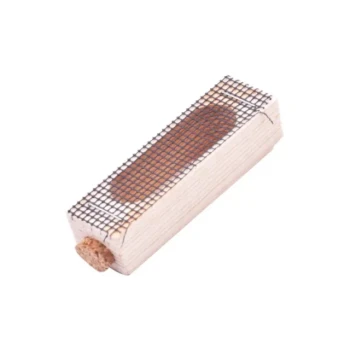
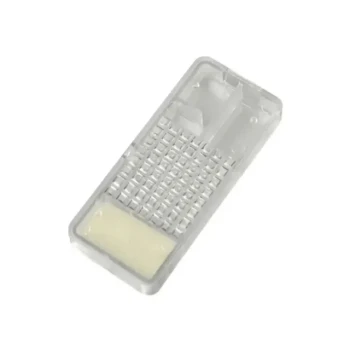
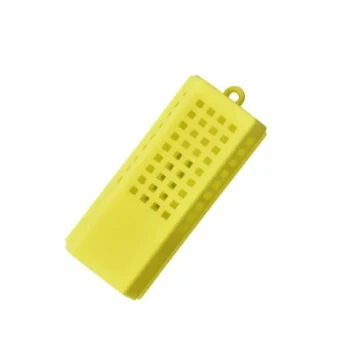
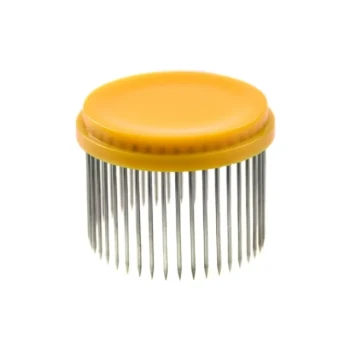
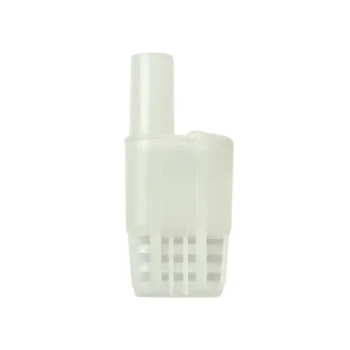
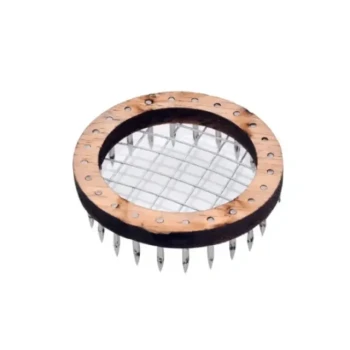
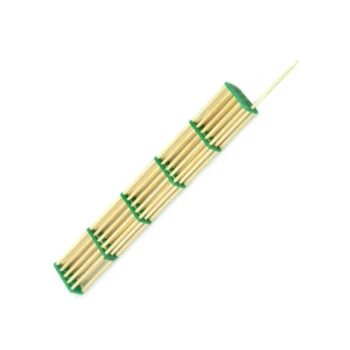
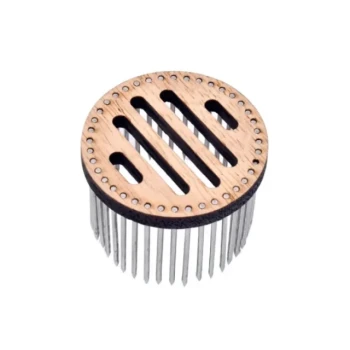
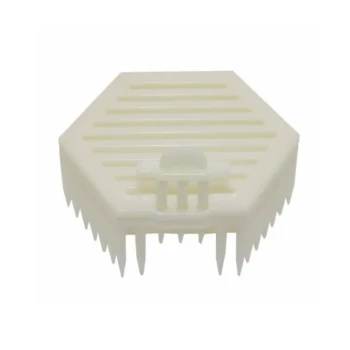
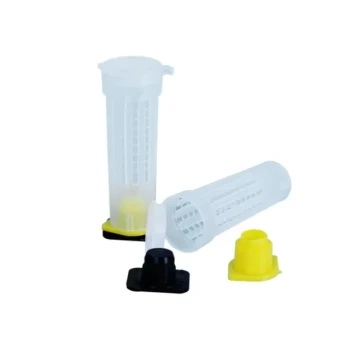
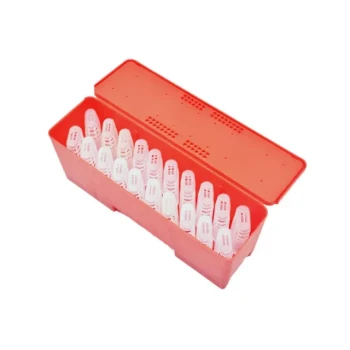
Queen cages function as a critical tool for biological control by physically confining the queen bee to stop her from laying eggs. This restriction creates an artificial broodless period that deprives parasitic mites of the sealed worker brood cells they require to reproduce, effectively interrupting their life cycle.
The core value of using a queen cage is that it forces parasites out of their protective "bunkers." By eliminating capped brood cells, you expose the entire mite population to treatment, transforming a partially effective chemical application into a highly efficient eradication strategy.
Disrupting the Parasitic Life Cycle
The Requirement for Sealed Cells
Parasitic mites, specifically species like Tropilaelaps clareae, rely on a specific biological trigger to reproduce. They must enter sealed worker brood cells to lay their own eggs.
Creating a Reproduction Blockade
By placing the queen in a cage (such as a Milyenin-style cage), you physically prevent her from depositing eggs in the honeycomb. Without eggs, there are no larvae to develop into pupae, and consequently, no cells are capped.
Eliminating the Host Reservoir
As the existing capped brood emerges, the colony eventually becomes completely devoid of sealed cells. This leaves the mites with nowhere to breed, halting their population growth immediately.
Enhancing Chemical Control
Removing the Physical Shield
In a normal colony, a significant percentage of mites are hidden inside capped brood cells. The wax capping acts as a shield, protecting these mites from fumigation or contact sprays.
Maximizing Treatment Exposure
Once the queen has been caged long enough for all existing brood to emerge, every mite in the hive is forced to exist on adult bees (the phoretic stage). This total exposure ensures they are fully vulnerable to chemical interventions.
Improving Clearance Rates
When chemical treatments are applied during this artificial broodless window, the clearance efficiency increases dramatically. You are no longer waiting for mites to emerge; you are targeting the entire population at once.
Understanding the Trade-offs
Impact on Colony Growth
The primary downside of this method is a temporary halt in colony population growth. By stopping egg-laying, you create a gap in the workforce generation, which can affect the colony's ability to forage or defend the hive if timed poorly.
Operational Timing
This strategy requires precise timing. You must wait for the existing brood to emerge before treating, which requires patience and calculation. Releasing the queen too early negates the benefit, while keeping her caged too long may weaken the colony.
Making the Right Choice for Your Goal
To effectively utilize queen cages for mite management, consider your specific objective:
- If your primary focus is distinct pest eradication: Combine the caging period with a chemical treatment (like fumigation) only after the hive is fully broodless to achieve near-total mite clearance.
- If your primary focus is reducing chemical dependency: Use the caging method to naturally break the mite reproductive cycle, reducing the frequency of harsh chemical applications needed throughout the year.
Mastering the broodless period turns the bee's biology into a weapon against the parasite, ensuring your treatments strike when the enemy is most exposed.
Summary Table:
| Mechanism | Action | Impact on Mites |
|---|---|---|
| Reproduction Blockade | Confining the queen to stop egg-laying | Deprives mites of sealed brood cells for breeding |
| Phoretic Exposure | Eliminating host reservoirs/sealed cells | Forces mites out of 'bunkers' onto adult bees |
| Treatment Synergy | Timing chemicals with broodless windows | Increases clearance rates by removing wax shields |
| Biological Control | Natural life cycle disruption | Reduces long-term dependency on harsh chemicals |
Elevate Your Apiary Management with HONESTBEE
For commercial apiaries and distributors, precision in mite management is the difference between profit and loss. HONESTBEE provides the professional-grade tools you need—from specialized queen cages and hive hardware to advanced honey-filling machines and honey-themed cultural merchandise.
As a comprehensive wholesale partner, we supply the full spectrum of beekeeping machinery and essential industry consumables designed to scale your operations and protect your colonies.
Ready to optimize your wholesale supply chain?
Contact HONESTBEE Today to discover how our premium equipment and tailored solutions can enhance your business efficiency.
References
- Noor Ul Islam, Ghulam Sarwar. Evaluation of different controlling agents alone and in combination against Tropilaelaps clareae in relation to honey production in Apis mellifera colonies. DOI: 10.12692/ijb/21.6.41-52
This article is also based on technical information from HonestBee Knowledge Base .
Related Products
- Durable Galvanized Steel Spring Queen Bee Cage
- Professional Queen Cage with Sliding Gate and Feeder Plug
- Classic Wooden and Mesh California Queen Cage
- Professional Queen Bee Introduction and Transport Cage
- Professional Multi-Functional Queen Bee Cage
People Also Ask
- Why are specialized queen bee cages used for the banking of mated queen bees? Maximize Commercial Apiary Storage Efficiency
- What is the mechanism of action for using temporary queen bee cages? Master Successful Queen Introduction
- What is the step-by-step process for installing a queen bee's cage onto a frame? Ensure Hive Acceptance Safely
- What is the optimal placement for a queen bee cage? Essential Strategies for Successful Re-queening
- What are the advantages and disadvantages of introducing a queen bee by embedding the cage? Boost Your Queen Acceptance