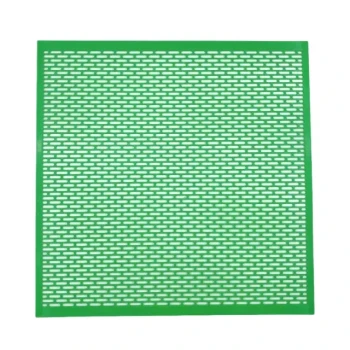
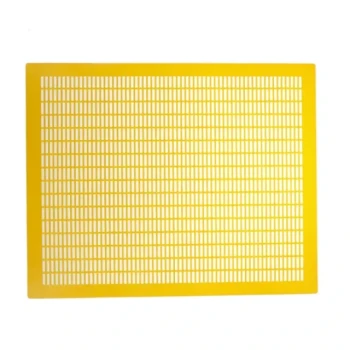
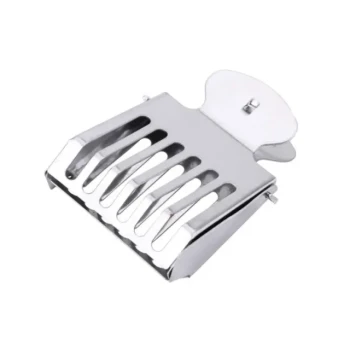
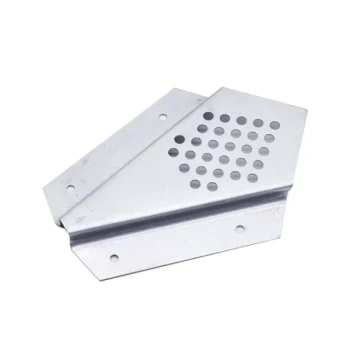
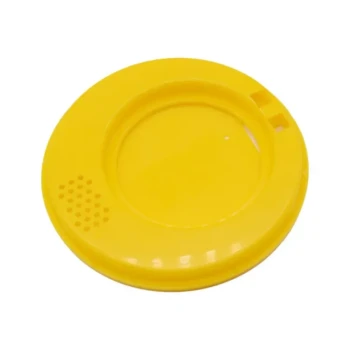
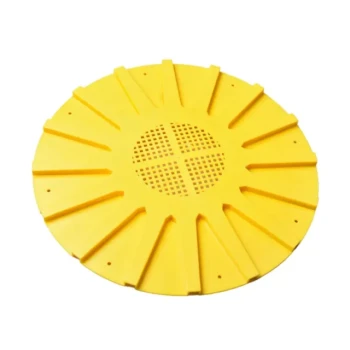
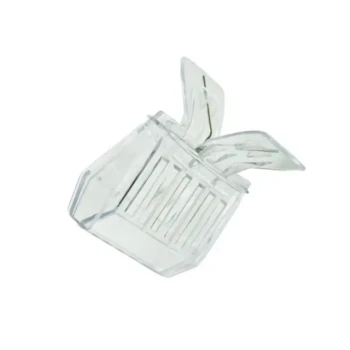
A queen excluder is a size-selective grid placed between the brood chamber and honey supers. Worker bees can pass through its openings, while the larger queen—and typically drones—cannot. This keeps the queen from laying in honey supers, producing cleaner, brood-free comb, but correct timing and installation are essential because an excluder can slow worker movement if bees have not yet accepted the upper box.
A queen excluder works best on a strong colony during an active nectar flow, with drawn comb already available above the brood chamber. Install it flat and securely, but avoid creating a sudden barrier before workers are familiar with the super.
How Queen Excluders Operate
The grid separates brood and honey-storage areas
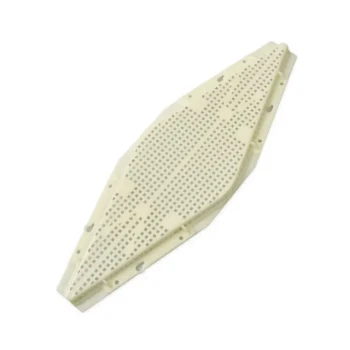
A queen excluder is installed between the uppermost brood box and the honey super. Its precisely sized openings allow smaller worker bees to move upward while restricting the larger queen.
Drones are also generally blocked. This helps keep honey supers focused on nectar storage rather than brood production.
The excluder protects honey-comb quality
When the queen remains in the brood chamber, she cannot lay eggs in the honey supers. The resulting frames remain free of eggs, larvae, pupae, and the darker comb associated with repeated brood rearing.
This is especially valuable for comb honey, chunk honey, and other products where clean, brood-free comb is commercially important.
Worker access depends on colony acceptance
An excluder is not a neutral surface. If workers are reluctant to cross it, nectar storage above the grid may be delayed.
For that reason, bees should first have a clear reason to use the upper super. Allowing workers to begin depositing nectar in drawn comb can help establish the scent and traffic pattern that encourage them to pass through the grid.
When to Install a Queen Excluder
Use it on a strong, populous colony
The colony should have a substantial population of adult bees and brood before an excluder and honey super are added. Weak colonies may struggle to maintain efficient traffic through the grid or regulate the expanded hive space.
A practical rule is to use an excluder when the brood boxes are well occupied and the colony is actively expanding or collecting nectar.
Install during an active nectar flow
Queen excluders are most useful when honey supers are on the hive and bees are bringing in nectar. Strong foraging activity gives workers a reason to move into the supers.
Installing one during a period of little incoming nectar can make the upper box appear unnecessary to the colony and may reduce acceptance.
Consider introducing the super before the excluder
Where worker reluctance is a concern, place the honey super with drawn comb above the brood chamber first. Once bees begin using it and depositing nectar, install the excluder between the brood chamber and the super.
This approach follows the primary operational principle: establish worker traffic before introducing the grid as a barrier.
How to Install It Correctly
Inspect the colony before installation
Confirm that the hive is strong, the brood chamber is properly occupied, and the queen is present and healthy. Inspect the frames for signs of swarm preparation or other conditions that may require attention before adding space.
The excluder is a management tool, not a substitute for colony assessment.
Place it directly above the brood chamber
Remove or lift the honey super as necessary, then place the excluder on top of the uppermost brood box. The super is then positioned above the excluder.
The grid should lie flat, level, and fully supported across the box.
Prevent gaps around the edges
Check that the excluder fits the hive body without openings large enough for the queen to bypass the grid. A poorly seated excluder can allow the queen into the super while still restricting normal worker movement.
This is one of the most common installation failures: the grid itself may be correctly manufactured, but the surrounding fit is not.
Keep the grid clean and unobstructed
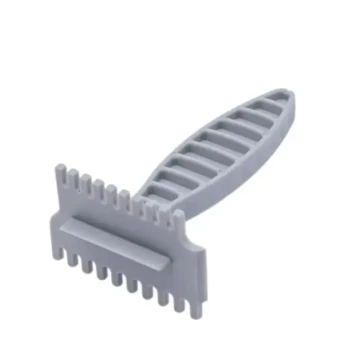
Inspect the excluder for burr comb, propolis buildup, dead drones, or other debris. Blocked openings can restrict worker traffic and increase congestion at the hive entrance.
A clean, smooth excluder is particularly important in commercial operations where reduced bee movement can affect super acceptance and order-level production planning.
Choose the correct material and design
Queen excluders are commonly available in:
- Perforated metal
- Smooth plastic
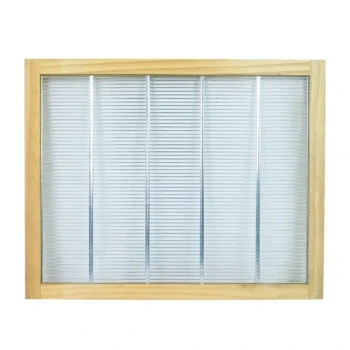
- Welded round-wire designs
Exact opening dimensions and a smooth surface matter more than material alone. Precision round-wire models are often favored in high-volume operations because their rounded bars can reduce abrasion and wing wear on returning foragers carrying nectar loads.
For distributors and resellers, offering multiple formats allows customers to select based on durability, handling preference, hive standard, and operating scale.
Management Uses Beyond Honey Supers
Supporting two-queen systems
Queen excluders can help organize two-queen hive arrangements by controlling movement between brood chambers and other hive bodies. Their use in these systems requires a deliberate configuration rather than simply placing one grid under a super.
The excluder should be treated as part of the overall hive architecture, including the position of brood boxes, entrances, and additional barriers.
Supporting swarm-management programs
By controlling where the queen can establish brood, an excluder can contribute to swarm-management strategies. It does not eliminate swarming risk, however.
Colony congestion, queen cells, inadequate ventilation, and insufficient space still require direct management.
Helping locate the queen
An excluder can also assist with queen-location checks. After installation, inspect the hive for fresh eggs several days later; the distribution of new eggs can help indicate which hive body contains the queen.
This is a supplementary diagnostic use, not the primary purpose of the equipment.
Understanding the Trade-offs
The excluder can restrict traffic
Some beekeepers call queen excluders “honey excluders” because they may slow worker movement into the supers. This is most likely when the colony is weak, the nectar flow is poor, the comb is undrawn, or the grid is obstructed.
For extracted honey production, some operators therefore choose not to use an excluder when the benefits do not justify the possible reduction in traffic efficiency.
It can create congestion at the barrier
If workers encounter a grid before they are motivated to use the upper box, they may cluster below it rather than move upward. This can reduce super acceptance and may contribute to congestion in the brood area.
Introducing drawn comb, using a strong colony, and timing installation with nectar availability can reduce this problem.
Burr comb and dead drones require attention
Bees may build burr comb across the excluder, while dead drones can lodge in the openings. Both conditions reduce usable passage area.
Regular inspections are necessary, especially during heavy nectar flows when bee traffic is high.
Removal is a management decision
Some operations remove the excluder after honey storage is established and the risk of brood expansion into the super has declined. Others retain it through the harvest period to protect comb purity.
During non-harvest periods, removing the excluder can provide unrestricted movement, but the decision should reflect the colony’s brood pattern, super configuration, and management objectives.
Common Installation Mistakes to Avoid
Installing it on a weak colony
A small colony may not have enough workers to occupy and defend the upper super effectively. Adding a grid in this situation can delay expansion rather than support it.
Using undrawn or poorly prepared comb
Workers are less likely to cross an excluder into an upper box that offers little immediate value. Drawn comb and incoming nectar create a much stronger incentive for upward movement.
Leaving gaps or placing it unevenly
An uneven grid can create bypass routes for the queen or block sections of the hive. Always confirm full contact with the hive body before replacing the super.
Failing to inspect after installation
The first follow-up inspection should verify worker movement, super acceptance, queen location, and grid condition. Correcting a blocked or poorly fitted excluder early is easier than dealing with an established brood problem in the supers.
Making the Right Choice for Your Goal
Select the excluder strategy according to the colony’s strength, the stage of the nectar flow, the type of honey product, and the level of inspection your operation can support.
- If your primary focus is brood-free honey supers: Use a correctly fitted excluder above a strong colony, preferably with drawn comb and active nectar flow.
- If your primary focus is maximum worker traffic: Consider delaying installation until bees begin using the super, and inspect frequently for blockages or congestion.
- If your primary focus is commercial comb or chunk honey: Prioritize precision-made metal or smooth plastic designs that maintain consistent openings and clean comb separation.
- If your primary focus is efficient product sourcing: Maintain access to multiple excluder formats, dependable specifications, rapid fulfillment, and technical support for different hive systems.
- If your primary focus is two-queen or swarm-management work: Integrate the excluder into a complete hive-management plan rather than using it as a standalone solution.
Used with the right colony, timing, fit, and inspection routine, a queen excluder provides controlled separation without unnecessarily limiting productive bee movement.
Summary Table:
| Feature | Description |
|---|---|
| Purpose | Prevents queen from laying eggs in honey supers, ensuring clean comb. |
| Best Time to Install | During active nectar flow on a strong colony. |
| Critical Installation Step | Ensure grid lies flat, level, and without gaps to prevent queen bypass. |
| Common Mistakes | Installing on weak colonies, using undrawn comb, leaving gaps, skipping inspections. |
| Material Options | Perforated metal, smooth plastic, welded round-wire. |
Looking for high-quality queen excluders and beekeeping supplies? HONESTBEE offers a comprehensive range of precision-made excluders and hive equipment. As a trusted B2B partner, we provide one-stop sourcing, rapid delivery, and OEM/ODM support. Whether you are a distributor, wholesaler, or commercial beekeeper, we meet your needs with exceptional service and competitive pricing. Contact us today to discuss your requirements!
Related Products
- High Performance Plastic Queen Excluder for Beekeeping and Apiary Management
- Lightweight Durable Plastic Queen Excluder Scraper for Beekeeping
- Premium Wood Framed Metal Wire Queen Bee Excluder
- Professional Plastic Queen Excluder for Modern Beekeeping
- Metal Queen Bee Excluder for Beekeeping
People Also Ask
- What are the characteristics of a plastic queen excluder? Key Benefits for Cost-Effective Beekeeping
- What are the operational and cost advantages of using plastic queen excluders over metal or wire excluders in commercial hive management? Discover how they reduce labor, prevent wing damage, and lower total costs.
- What types of queen excluders are available for beekeepers? Choose the Right Tool for Your Hive
- Why are standardized hive frames and queen excluders essential for maintaining honey purity and quality? Scale Your Purity
- Do plastic queen excluders work? A Cost-Effective Solution for Modern Apiaries