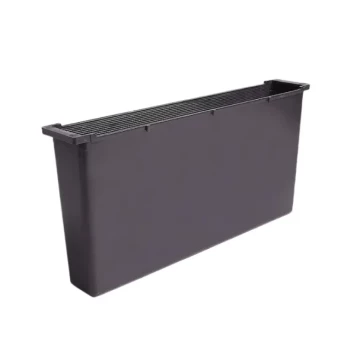
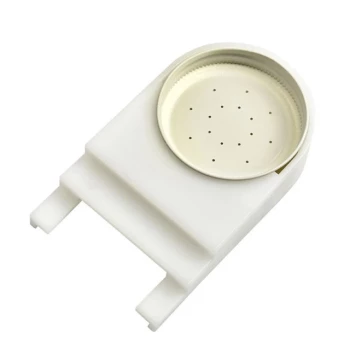
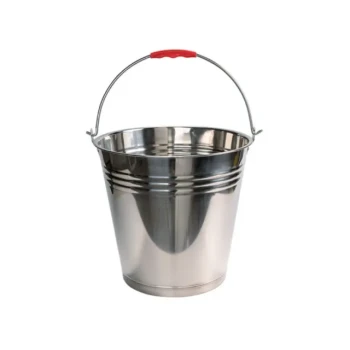
Specialized feeding containers ensure accurate nutritional delivery by physically isolating feed from external moisture while regulating the amount of food accessible to the colony. By protecting protein supplements and artificial diets from the high humidity associated with rainy seasons, these devices prevent spoilage and contamination, guaranteeing that the colony receives a hygienic, consistent dosage of nutrition when natural foraging is impossible.
Core Takeaway The primary danger during rainy seasons is not just a lack of natural food, but the rapid spoilage of artificial stores due to humidity. Specialized containers mitigate this by maintaining the chemical integrity of the feed, allowing for a "quantified feeding" approach that stabilizes colony energy levels and prevents brood termination.
Mechanisms of Protection and Control
Shielding Against Environmental Contaminants
Rainy seasons introduce high humidity levels that can rapidly degrade open food sources. Specialized containers are engineered to seal contents against this moisture.
By preventing water ingress, the equipment ensures that protein supplements remain dry and hygienic. This physical barrier effectively eliminates the risk of mold growth and bacterial contamination that often plagues standard open-feeding methods during wet weather.
Delivering Precise Dosages
Beyond protection, these containers are designed to provide controlled dosages of feed. This mechanism allows apiarists to implement a "scheduled and quantified" feeding strategy.
Rather than dumping bulk feed that may spoil before consumption, the container releases specific amounts. This ensures the colony consumes the feed while it is fresh, optimizing nutrient uptake.
Maintaining Feed Integrity
The nutritional value of protein supplements relies heavily on their stability. Exposure to the elements can alter the composition of these supplements, rendering them less effective.
Specialized containers maintain the structural and chemical integrity of the diet. This ensures that the bees receive the exact nutritional profile intended by the beekeeper, rather than a degraded version.
The Strategic Impact on Colony Health
Offsetting Foraging Declines
Rain severely hampers a bee's ability to forage, leading to a rapid depletion of internal hive resources.
A specialized feeding system provides a continuous, stable external energy input. This artificial "pulse" of nutrition acts as a technical safeguard, filling the gap left by the inability to gather natural pollen and nectar.
Preventing Brood Termination
When food stores drop below a critical threshold, colonies often react by terminating brood rearing to save energy. This can lead to a collapse in population numbers.
By ensuring a steady flow of nutrition, these containers trick the colony into behaving as if resources are abundant. This prevents the biological trigger for brood termination, securing the colony's long-term survival rates.
Operational Considerations and Limitations
The Risk of Equipment Reliance
While these containers protect feed, they introduce a dependency on mechanical reliability. If a dispenser becomes clogged or fails to release the "controlled dosage," the colony may face starvation despite the presence of food in the hopper.
Artificial vs. Natural Nutrition
These systems excel at delivering artificial diets, but they are a supplement, not a perfect replacement. Relying solely on artificial protein pulses for extended periods without any natural forage can still lead to micronutrient deficiencies over time.
Maintenance Requirements
"Set it and forget it" is a dangerous mindset with specialized feeders. The high humidity outside the container still requires beekeepers to monitor the dispensing mechanisms frequently to ensure moisture hasn't compromised the outlet points.
Optimizing Colony Nutrition Strategies
To effectively utilize specialized feeding containers during adverse weather, consider the following approach:
- If your primary focus is preventing colony collapse: Prioritize containers with the highest seal rating to ensure protein supplements remain spoil-free during prolonged rains.
- If your primary focus is maintaining brood production: Implement a strictly quantified schedule of nutritional pulses to mimic natural nectar flows and prevent the colony from contracting.
By controlling the environment around the food source, you transform nutrition from a variable risk into a managed asset.
Summary Table:
| Feature | Function in Rainy Seasons | Impact on Colony Health |
|---|---|---|
| Environmental Shielding | Blocks moisture and prevents mold/bacterial growth | Ensures hygienic, toxin-free food intake |
| Precise Dosage Control | Regulates feed release in quantified amounts | Optimizes nutrient uptake and reduces waste |
| Feed Integrity Protection | Maintains chemical and structural stability of diets | Guarantees consistent nutritional profiles |
| Foraging Supplementation | Provides stable energy when natural foraging is impossible | Prevents starvation and population collapse |
| Brood Support | Mimics natural nectar flows via nutritional pulses | Prevents brood termination and maintains growth |
Maximize Colony Productivity with HONESTBEE Professional Solutions
Ensure your apiary thrives in any weather with high-performance beekeeping equipment from HONESTBEE. We specialize in supporting commercial apiaries and distributors with a comprehensive wholesale portfolio, including:
- Precision Feeding Systems: Specialized containers and tools designed for accurate nutritional delivery.
- Advanced Machinery: Hive-making and honey-filling machines to scale your operations.
- Full Spectrum Supplies: From essential industry consumables to unique honey-themed cultural merchandise.
Partner with HONESTBEE to access durable, professional-grade equipment that stabilizes your colony energy levels and secures long-term survival rates.
Ready to elevate your beekeeping business? Contact us today to explore our wholesale offerings!
References
- E.P. Pinandita, S. Minarti. BENGUK BEAN TEMPE FLOUR (MUCUNA PRURIENS L.) AS POLLEN SUBSTITUTE FOR COLONY PRODUCTIVITY OF APIS MELLIFERA L.. DOI: 10.18551/rjoas.2023-01.10
This article is also based on technical information from HonestBee Knowledge Base .
Related Products
- Langstroth Honey Bee Box Hive Boxes for Different Depths
- HONESTBEE Entrance Bee Feeder Efficient Hive Front Liquid Feeding Solution for Beekeeping
- Professional In-Hive Bee Feeder HONESTBEE Frame for Beekeeping
- HONESTBEE Professional Entrance Bee Feeder Hive Nutrition Solution
- HONESTBEE Entrance Bee Feeder Professional Hive Nutrition Solution for Beekeeping
People Also Ask
- What role do standardized Langstroth boxes play in commercial apiary management and honey bee research? | HONESTBEE Guide
- What are the primary advantages of using standardized Langstroth boxes? Scale Your Commercial Beekeeping Operation
- What are the differences between the three standard depths of Langstroth boxes? Choose the Best Size for Your Apiary
- What are the typical uses for the different box sizes in a Langstroth hive? Master Hive Management & Efficiency
- What features of Langstroth hive boxes contribute to expandability and honey yield? Maximize Your Apiary Production