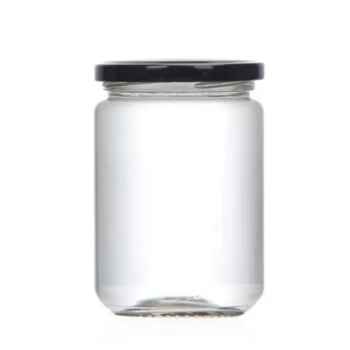
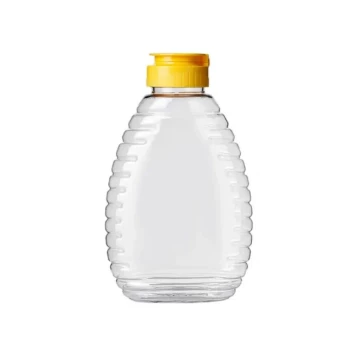
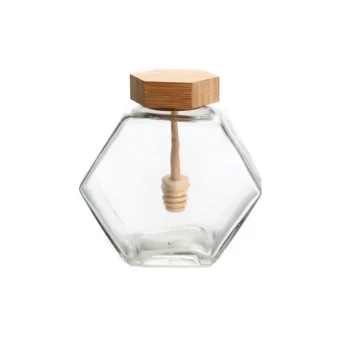
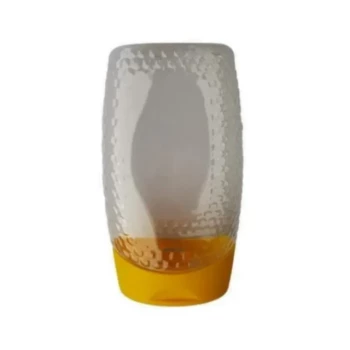
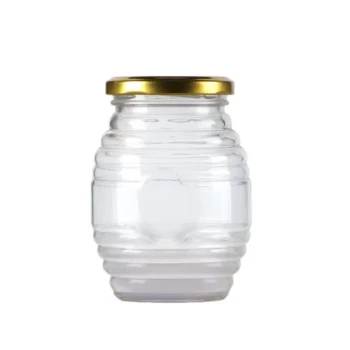
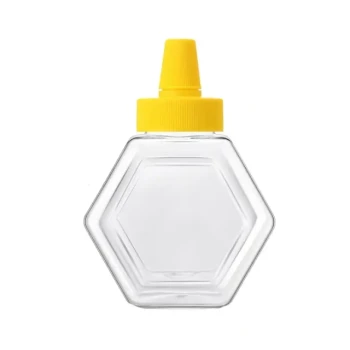
Specialized honey packaging and labeling act as the critical bridge between raw agricultural production and high-value retail success. By utilizing high-quality containers, producers prevent spoilage mechanisms like moisture absorption and leakage, directly safeguarding shelf life and food safety. Simultaneously, professional labeling transforms an anonymous bulk product into a trusted brand asset, enabling origin traceability and distinct market positioning.
The use of specialized consumables is the primary mechanism for transitioning honey from low-margin bulk wholesale to high-value retail markets, directly influencing consumer purchasing decisions and securing price premiums.
Preserving Product Integrity and Shelf Life
The Barrier Against Moisture and Fermentation
Honey is naturally hygroscopic, meaning it readily absorbs moisture from the air. Professional containers provide superior sealing properties that exclude external humidity.
Without this barrier, honey may exceed safe moisture levels, leading to fermentation and spoilage. High-quality seals ensure the product remains chemically stable from the hive to the consumer's table.
Controlling Crystallization and Oxidation
Specialized materials, such as specific glass or food-grade plastics, act as a protective shield against oxidation. This preserves the natural aroma and prevents the loss of volatile compounds that define high-quality honey.
Furthermore, proper containment helps manage the rate of crystallization. By preventing contamination and air exposure, the packaging maintains the honey's premium texture and visual appeal.
Ensuring Supply Chain Stability
Beyond chemistry, packaging serves a critical structural role. High-quality containers are engineered to prevent leakage and ensure physical stability during long-distance transportation.
This durability is essential for accessing global export markets, where product failure during transit can destroy profit margins and retailer relationships.
Elevating Market Position through Labeling
Transforming Commodities into Brands
Packaging transforms honey from a primary agricultural product into a differentiated commodity. Through distinct structural designs, shapes, and aesthetics, producers can separate their offering from generic competitors.
This visual differentiation is the first step in establishing a "high-end" or "premium" image. It allows producers to target urban markets that demand sophistication over bulk utility.
Building Trust with Traceability
Labels serve as the primary communication channel with the consumer. By clearly stating the origin, nutritional components, and source, producers provide the traceability that modern consumers demand.
This transparency builds trust. It assures the buyer of the product's authenticity and safety, which is a prerequisite for commanding a higher retail price.
Intellectual Property and Anti-Counterfeiting
Advanced labeling systems function as physical evidence of intellectual property. They display patent numbers, certifications, and legal markers that protect the brand.
This helps prevent counterfeiting and unauthorized imitation in the marketplace. A professional label acts as a visible marker of legal protection, ensuring the commercial sustainability of the operation.
Understanding the Investment Trade-offs
Balancing Material Costs against Price Premiums
Investing in specialized packaging increases the unit cost of production. Producers must ensure that the target market is willing to pay the premium required to offset the cost of high-end glass or advanced sealing technologies.
Complexity in Automation
Transitioning to specialized packaging often requires precise quantitative filling technology to maintain consistency. While this standardizes the product, it introduces new requirements for machinery and supply chain management compared to bulk selling.
Making the Right Choice for Your Goal
To maximize the commercial value of your honey, align your packaging strategy with your specific market objectives:
- If your primary focus is entering high-end retail or export markets: Invest in rigid, airtight containers (often glass) and premium labeling that emphasizes origin traceability to justify a significant price premium.
- If your primary focus is operational efficiency and shelf stability: Prioritize packaging materials with superior moisture barriers and sealing technology to prevent fermentation and ensure consistent quality during transport.
- If your primary focus is brand protection: Utilize labeling systems that include specific certification numbers and distinct design elements to prevent counterfeiting and establish clear intellectual property ownership.
By treating packaging not just as a vessel, but as a strategic asset, you effectively convert a raw material into a valuable, protected commercial brand.
Summary Table:
| Feature | Commercial Benefit | Technical Role |
|---|---|---|
| Airtight Sealing | Extends shelf life & prevents spoilage | Blocks moisture absorption (hygroscopic) |
| Premium Materials | Enhances visual appeal & brand image | Prevents oxidation and preserves aroma |
| Traceability Labeling | Builds consumer trust & justifies premium | Communicates origin and nutritional data |
| Structural Durability | Minimizes transit loss & expands exports | Prevents leakage and physical container failure |
| Anti-Counterfeit | Protects intellectual property | Features certifications and unique brand markers |
Maximize Your Honey's Retail Potential with HONESTBEE
Transitioning from bulk wholesale to high-margin retail requires the right equipment and supplies. HONESTBEE empowers commercial apiaries and distributors with the specialized tools needed to elevate your product's value. From honey-filling machines that ensure precise quantitative packaging to a full spectrum of beekeeping machinery and specialized consumables, we provide the comprehensive wholesale solutions your business needs.
Partner with HONESTBEE to:
- Access professional-grade honey-making and filling hardware.
- Source a wide array of high-quality industry consumables.
- Distinguish your brand with premium cultural merchandise.
Contact HONESTBEE Today to discuss how our wholesale offerings can optimize your production and increase your market share!
References
- Selim Dedej, Ernest Gocaj. A technical and economic evaluation of beekeeping in Albania. DOI: 10.1080/0005772x.2000.11099476
This article is also based on technical information from HonestBee Knowledge Base .
Related Products
- Hexagonal Glass Honey Jars with Metal Lug Caps Elegant Versatile Packaging
- Classic Round Glass Honey Jar with Lid
- Modern Square Glass Honey Jar with Twist Off Lid
- Classic Honey Bear Jars with Flip Top Dispensing Cap for Liquid Sweeteners
- Classic Drum Shaped Glass Honey Jar with Airtight Lid
People Also Ask
- What is the aesthetic appeal of using glass jars for honey? Elevate Your Brand with Premium Packaging
- What are the logistical challenges associated with using glass jars for honey packaging? Navigating Weight & Fragility
- What are the advantages of glass containers for honey? Elevate Quality and Market Value with Premium Packaging
- What are the technical advantages of using glass jars for honey? Master Commercial Packaging for Premium Purity
- What are the advantages of using glass jars for honey packaging? Preserve Purity & Elevate Your Brand