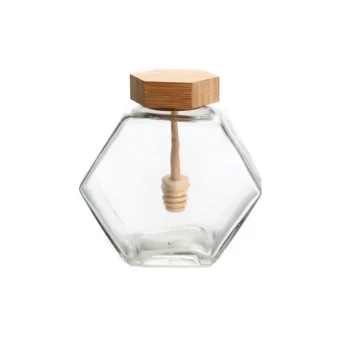
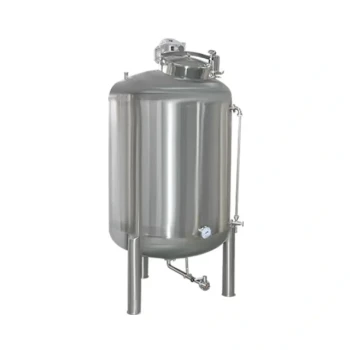
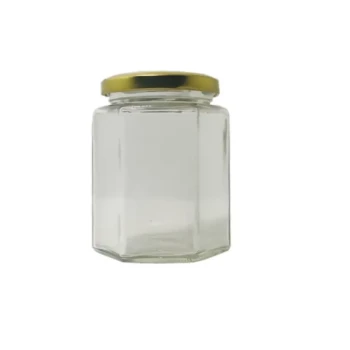
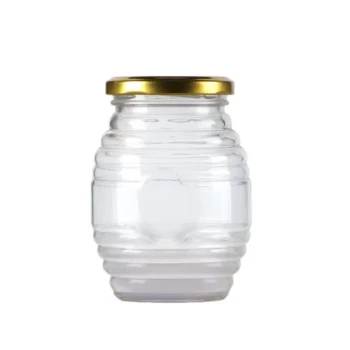
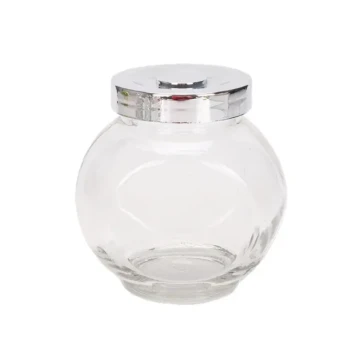
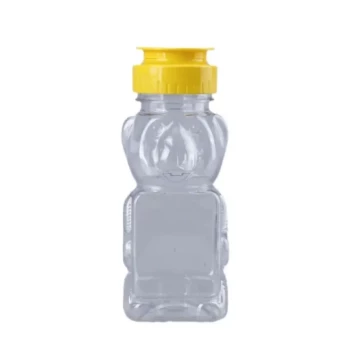
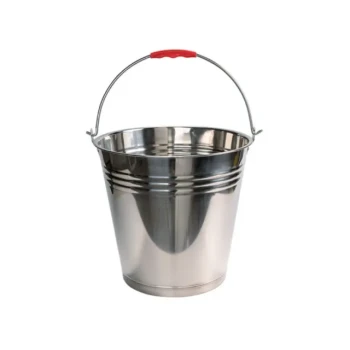
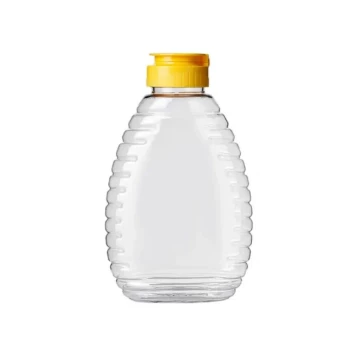
Specialized honey storage containers are the physical foundation of organic integrity. They serve as a critical barrier that prevents contact with pollutants and non-organic substances during the aggregation and transport phases. By providing a chemically inert and hermetically sealed environment, these containers ensure that honey remains compliant with strict organic standards from the remote apiary to the final distributor.
Core Takeaway: Specialized containers maintain the organic supply chain by providing a physical guarantee of purity, preventing environmental contamination, and ensuring that the honey’s complex chemical profile remains unchanged throughout the global distribution network.
Preserving Material Integrity and Compliance
Physical Isolation from Contaminants
Specialized containers act as the primary safeguard for the material integrity of organic honey. They prevent the product from coming into contact with non-organic residues or environmental pollutants during the critical stages of transport.
This isolation is a physical guarantee of compliance. Without these specialized vessels, the risk of cross-contamination during aggregation could decertify entire batches of premium organic product.
Chemical Inertness and Purity
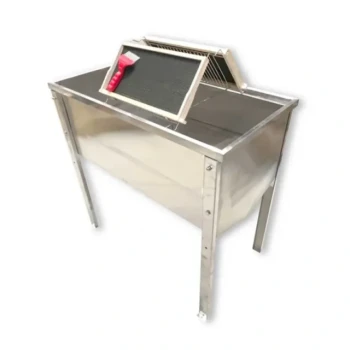
High-quality storage vessels are manufactured from chemically inert materials, such as food-grade stainless steel or high-density synthetics. These materials do not react with the natural acidic components found in honey.
Because honey is highly hygroscopic, it readily absorbs moisture and odors from its surroundings. Specialized sealing technology prevents this absorption, stopping fermentation and preserving the honey's original flavor profile.
Optimizing Logistics and Distribution Efficiency
Standardized Design for Rapid Fulfillment
For wholesalers and distributors, standardized container designs are essential for high-efficiency logistics. These containers allow for uniform stacking, easier inventory management, and streamlined loading processes.
Using professional-grade consumables facilitates ultra-fast delivery times. When containers are standardized, order fulfillment becomes a predictable process, reducing the "friction" often found in complex organic supply chains.
Protection During Long-Distance Transit
Organic honey often travels from remote regions to centralized processing hubs. Specialized containers are engineered to withstand the rigors of long-distance transportation without compromising the seal.
By blocking external moisture and oxygen, these vessels prevent the oxidation and spoilage that can occur during transit. This ensures that the product arriving at the warehouse is identical in quality to the product harvested at the hive.
Protecting Brand Value and Market Entry
Preservation of Bioactive Compounds
Premium organic honey is valued for its active enzymes and antioxidants. Specialized containers protect these delicate compounds from light and air exposure, which would otherwise degrade its medicinal value.
Maintaining these indicators is crucial for entering premium markets. If physical and chemical indicators fall below standards due to poor storage, the honey loses its "organic" value proposition and its market price.
Traceability and Consumer Trust
In contract-based production models, these containers are the necessary physical carriers for traceability. They allow distributors to provide a transparent "chain of custody" to their retail partners.
This transparency builds brand value and consumer trust. When a distributor can guarantee that the honey was never exposed to contaminants, they secure their position as a reliable partner in the organic sector.
Understanding the Trade-offs and Risks
Initial Investment vs. Spoilage Risk
The primary trade-off is the higher upfront cost of specialized food-grade containers compared to generic storage options. However, this cost is an insurance policy against the total loss of organic certification for a batch.
Generic containers often lack the sealing integrity required for long-term storage. Using inferior materials can lead to fermentation, which results in a complete loss of product value and potential damage to a distributor's reputation.
Material Selection: Stainless Steel vs. Synthetics
Distributors must choose between stainless steel and high-density synthetics based on their specific supply chain needs. Steel offers the highest durability and chemical inertness but at a higher weight and price point.
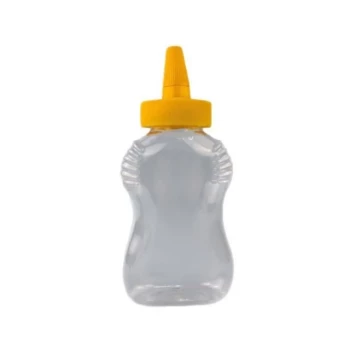
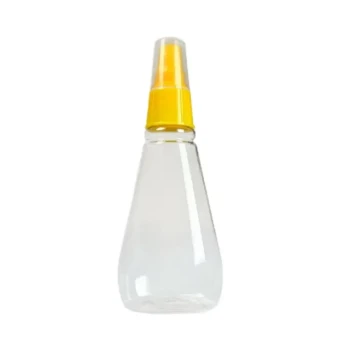
High-density synthetic materials offer a lighter, more cost-effective alternative for rapid turnover. The choice depends on the expected duration of storage and the sensitivity of the specific honey variety being transported.
Making the Right Choice for Your Goal
When selecting specialized storage solutions for your organic honey supply chain, consider your primary operational objective to ensure maximum ROI and compliance.
- If your primary focus is Long-Term Storage and Preservation: Invest in food-grade stainless steel vessels to ensure zero chemical reactivity and the highest level of protection for enzymes and antioxidants.
- If your primary focus is Rapid Distribution and High-Volume Turnover: Utilize standardized high-density synthetic containers to optimize shipping weights and facilitate faster order fulfillment.
- If your primary focus is Export and Regulatory Compliance: Ensure all containers meet international food-grade standards and provide hermetic seals to prevent any moisture-related fermentation during long-distance transit.
The right specialized container transforms a vulnerable natural product into a stable, high-value asset capable of meeting the world's most rigorous organic standards.
Summary Table:
| Feature | Benefit for Organic Integrity | Operational Impact for Distributors |
|---|---|---|
| Chemical Inertness | Prevents reactions with acidic honey | Maintains organic certification and premium pricing |
| Hermetic Sealing | Blocks moisture and external odors | Prevents fermentation and extends shelf life |
| Standardized Design | Ensures consistent material quality | Streamlines inventory management and fast fulfillment |
| Structural Durability | Protects bioactive compounds in transit | Reduces product loss during long-distance shipping |
Scale Your Organic Honey Business with HONESTBEE
As a dedicated partner for commercial apiaries and distributors, HONESTBEE understands that maintaining the organic supply chain requires more than just tools—it requires a commitment to quality. We offer a one-stop sourcing solution for your entire operation, from high-grade storage vessels and hive-making machinery to specialized honey-filling equipment and industry consumables.
Why partner with us?
- Comprehensive Portfolio: Access a full spectrum of beekeeping hardware and premium trading services.
- Efficiency at Scale: Benefit from our ultra-fast delivery and rapid response times to keep your supply chain moving.
- Deep Industry Expertise: We provide the professional guidance needed to optimize your profit margins and ensure regulatory compliance.
- OEM/ODM Support: Tailored solutions to protect your brand value and market entry.
Secure your product’s integrity and streamline your procurement today—Contact our expert team at HONESTBEE!
References
- Hilda E. Kurtz, Sarah A. Blue. Organic certification as assemblage: The case of Cuban honey. DOI: 10.1111/tran.12419
This article is also based on technical information from HonestBee Knowledge Base .
Related Products
- Stainless Steel Honey Storage Tank with Lid for Honey
- Stainless Steel Honey Storage and Settling Tank with Double Strainer
- Hexagonal Glass Honey Jar with Wooden Lid Integrated Dipper Elegant Functional Storage
- Professional Honey Storage Tank with Agitation System
- Hexagonal Glass Honey Jars with Metal Lug Caps Elegant Versatile Packaging
People Also Ask
- What economic role do honey storage tanks play? Boost Your Revenue Through Strategic Inventory Management
- What roles do industrial honey storage tanks and filtration meshes play in processing? Ensure Purity & Consistency
- What is the purpose of a honey storage tank? Streamline Your Honey Processing for Quality & Efficiency
- What are honey storage tanks used for? Essential Features for Quality Preservation and Profit
- How do large honey storage tanks and gravity fall filling systems improve honey packaging efficiency and safety?