Standardized beehives act as a scalable control system that allows beekeepers to directly manipulate biological demand. By utilizing precise dimensions, such as the 435x300 mm specification, you can physically adjust the internal structure by inserting frames containing unsealed brood (larvae). This creates a strong biological signal for protein necessity, compelling worker bees to significantly increase their foraging frequency and pollen collection intensity.
The physical standardization of the hive is not just about storage; it is a mechanism for triggering specific biological behaviors. By strategically increasing the ratio of unsealed brood frames, you generate an artificial "protein deficit" that drives the colony to maximize pollen production.
Leveraging Internal Structure for Biological Response
Creating Artificial Demand
The primary driver for pollen collection is not the availability of flowers, but the internal needs of the colony.
Standard frames allow you to introduce unsealed brood—larvae that are actively feeding—into specific hives. This presence serves as an immediate biological signal that the hive requires more resources.
The Protein Imperative
Larvae require significant amounts of protein to develop. When you increase the number of brood frames, the colony senses a potential nutritional gap.
Worker bees respond to this gap by shifting their operational focus. They increase their foraging intensity specifically for pollen, the hive's primary protein source, to ensure the brood is fed.
Utilizing Biological Traits
This method optimizes efficiency by aligning with the natural instincts of the bee.
Rather than forcing the bees to work against their nature, the standardized frame system allows you to utilize their inherent drive to care for the young. This results in a production increase that is biologically induced rather than chemically or mechanically forced.
The Operational Benefits of Standardization
Precision and Stability
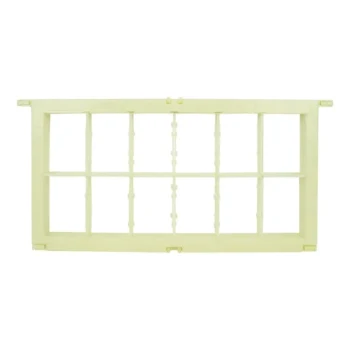
Standardized specifications, such as the 435x300 mm frame, provide a stable physical environment.
This precision ensures that frames are interchangeable and fit securely. A stable environment reduces the disruption caused during hive manipulations, allowing the colony to return to foraging duties faster after adjustments are made.
Controlled Fermentation
Beyond simple collection, standard hives optimize the processing of pollen into bee bread.
The hive structure provides a controlled environment for the storage and fermentation of pollen, honey, and salivary secretions. This ensures that the collected pollen is converted efficiently into a stable, usable nutritional resource for the colony.
Understanding the Trade-offs
Management Intensity
Optimizing for pollen collection is an active process, not a passive one.
To maintain the "high demand" signal, you must regularly inspect and rotate frames. This increases the labor required compared to a "set it and forget it" approach used in basic honey production.
Resource Balancing
Inducing a high drive for pollen collection shifts the colony's energy allocation.
While pollen intake increases, the colony may divert energy away from nectar collection or comb building. You must carefully monitor the hive to ensure that maximizing pollen does not inadvertently cripple other essential colony functions.
Making the Right Choice for Your Goal
To effectively utilize standardized hives, you must align your manipulation strategy with your specific production targets.
- If your primary focus is maximum pollen yield: Prioritize the regular insertion of unsealed brood frames to maintain a constant, high-level signal for protein demand.
- If your primary focus is product consistency and research: Utilize standardized hardware to minimize external variables, ensuring that samples taken from different locations maintain comparable initial states.
- If your primary focus is honey production: Limit the manipulation of brood frames to avoid diverting the workforce away from nectar foraging and processing.
By viewing your hive frames as dynamic tools rather than static storage, you unlock the ability to direct the colony's energy exactly where it is needed most.
Summary Table:
| Optimization Factor | Mechanism for Pollen Efficiency | Impact on Production |
|---|---|---|
| Standard Dimensions | Precise 435x300 mm frames allow for seamless frame rotation. | High scalability and operational stability. |
| Biological Signal | Strategic insertion of unsealed brood frames creates "protein demand." | Drastically increases worker bee foraging frequency. |
| Internal Environment | Controlled airflow and temperature for pollen fermentation. | Higher quality bee bread and resource stability. |
| Workforce Allocation | Aligning hive structure with natural nursing instincts. | Biologically induced production increase. |
Elevate Your Commercial Beekeeping Operations with HONESTBEE
Are you looking to scale your apiary's efficiency? HONESTBEE provides the precision-engineered tools needed to turn biological insights into high-yield results. We specialize in serving commercial apiaries and distributors with a complete wholesale range of:
- Standardized Hardware: High-precision hives and frames designed for optimal biological manipulation.
- Advanced Machinery: State-of-the-art hive-making and honey-filling machines to streamline your production line.
- Full-Spectrum Supplies: From essential industry consumables to unique honey-themed cultural merchandise.
Partner with HONESTBEE to access the high-quality equipment and specialized machinery your business deserves. Contact us today to discuss your wholesale needs and see how our expertise can grow your production.
References
- O. Mischenko, D. Kryvoruchko. Influence of nest structure and age of the bee queen on preparation of protein feed by bees. DOI: 10.31073/agrovisnyk202010-04
This article is also based on technical information from HonestBee Knowledge Base .
Related Products
- Wooden Bee Hive Frames for Beekeeping and Wholesale
- Assembled Wooden Bee Frames with Plastic Foundation for Durability and Convenience by HONESTBEE
- Plastic Bee Frame Beekeeping Hive Frames for Wholesale
- HONESTBEE Wired and Assembled Wooden Bee Frames Foundation for a Thriving Hive
- Stainless Steel Bee Hive Frame Wire for Beekeeping
People Also Ask
- How does balancing the number of frames impact hive productivity? Optimize Your Apiary's Biological Output
- How do wooden and plastic hive frames compare in terms of durability? Wood vs. Plastic Longevity & Repairability
- What are the main considerations when choosing between wooden and plastic bee hive frames? Optimize Your Apiary's Efficiency
- How should beehive frames be maintained to prolong their lifespan? 5 Pro Tips for Durable Beekeeping Equipment
- How are plastic frames different from traditional wooden frames? Choose the Right Frame for Your Apiary