Worker bees and drones require different management hardware because their bodies are built for different jobs. Workers are smaller and equipped with pollen baskets, pollen presses, leg brushes, wax glands, and defensive stings, while drones are broader, heavier, stingless, and possess enlarged eyes and antennae for locating queens during mating flights. These differences guide the selection of queen excluders, pollen traps, drone-control devices, frames, entrances, and inspection equipment.
Hive hardware should preserve unrestricted worker movement and foraging while controlling access by larger reproductive bees. The best equipment combines precise dimensions with reliable colony management, allowing distributors and beekeepers to source compatible components for pollen collection, breeding control, and honey production.
How Worker Anatomy Shapes Hive Equipment
Workers need unobstructed access to forage
Worker bees are the colony’s primary foragers. Their hind-leg corbiculae, pollen presses, and brushes allow them to collect, compact, and transport pollen back to the hive.
Entrance pollen traps exploit this behavior by using a grid or passage that removes part of the pollen load as workers return. The opening must be carefully sized: it should collect pollen efficiently without causing excessive congestion, injury, or disruption to normal worker traffic.
Worker movement determines internal spacing
Workers must move continuously between brood areas, food stores, and hive entrances. Frames, spacers, bee escapes, and entrance hardware therefore need consistent dimensions and smooth surfaces that support predictable movement.
Standardized frame spacing is especially important for commercial operations. Uniform spacing improves inspection speed, reduces comb damage, and maintains compatibility with extractors, replacement frames, and other modular equipment.
Wax production affects comb and foundation choices
Worker bees possess abdominal wax glands and construct comb for brood rearing, pollen storage, and honey storage. Hive systems must therefore provide stable frames and appropriately sized foundation that workers can draw into usable comb.
Poorly aligned frames or inconsistent foundation dimensions can produce irregular comb. This complicates inspections, reduces usable storage space, and makes mechanical extraction less efficient.
Worker defense influences inspection equipment
Workers possess functional stings and defend the colony when disturbed. Hive management equipment must support controlled inspections through secure lids, stable boxes, suitable entrances, and tools that minimize crushing or excessive disturbance.
Protective clothing, smokers, hive tools, and robust frame grips are not merely accessories. They are operational necessities when equipment must be used repeatedly around defensive worker populations.
How Drone Anatomy Changes Hardware Requirements
Drones require wider movement allowances
Drones are generally larger and broader than workers, particularly through the thorax and abdomen. They do not carry pollen or build comb, but they must move through the colony and leave the hive for mating flights.
Hardware designed around worker passage alone can restrict drone movement. Entrance reducers, passage grids, and other selective barriers should therefore be evaluated for whether they unintentionally trap or exclude drones when their presence is biologically or commercially desirable.
Drone control requires a different objective
Drones are reproductive males, not working units. They do not forage, produce wax, or defend the colony, so drone-management equipment is selected to influence population levels, mating access, or breeding outcomes rather than to improve honey collection.
Drone traps and drone brood management systems can help control unwanted drone populations or support specific breeding programs. Their use should reflect the apiary’s purpose, because removing drones may affect mating availability in the surrounding area.
Enlarged sensory organs support breeding management
Drones have substantially enlarged compound eyes and highly developed antennae compared with workers. These adaptations support the detection and pursuit of queens during mating flights.
For commercial breeding operations, this makes equipment such as mating boxes, controlled entrances, drone brood frames, and queen-rearing accessories more relevant than pollen-harvesting hardware. The equipment must support controlled queen and drone interaction without obstructing routine colony care.
Stinglessness changes handling considerations
Drones lack stings. This makes them less relevant to defensive barriers and sting-oriented handling practices, but it does not eliminate the need for careful equipment design.
Drones can still contribute to congestion, obstruct passages, or become trapped by openings designed for smaller workers. Size, ventilation, and escape access remain important when selecting drone-related hardware.
Where Caste Differences Affect Equipment Selection
Queen excluders are an indirect worker-versus-drone decision
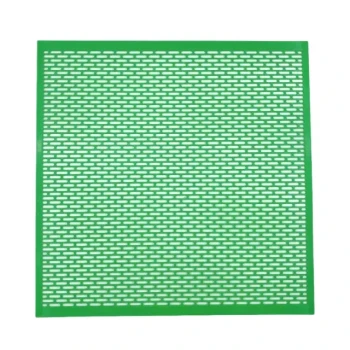
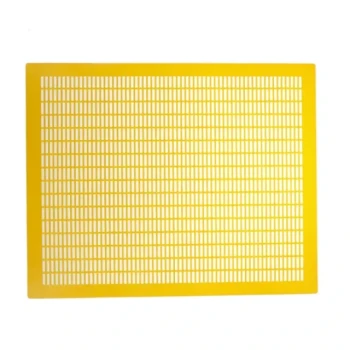
Queen excluders are primarily designed around the queen’s larger thorax. Their spacing allows workers to pass into honey supers while restricting the queen to the brood area.
Drones may also be too large for some excluder openings. This matters when the colony needs normal drone movement, because an excluder can create congestion or prevent drones from reaching the entrance. Buyers should confirm the intended spacing and operating effect rather than treating every excluder as interchangeable.
Pollen traps must be worker-compatible
Pollen traps are designed specifically for returning worker bees. They should accommodate the worker’s body and pollen-bearing legs while avoiding excessive pressure on the bee or prolonged obstruction at the entrance.
A trap that is too restrictive can reduce foraging efficiency and increase traffic problems. A trap that is too permissive may collect insufficient pollen, reducing product yield and undermining the purpose of the installation.
Frames should support both brood and drone management
Worker brood and drone brood are raised in cells of different sizes. Specialized drone foundation or drone brood frames can therefore be used to encourage drone production in a controlled location.
This approach can simplify monitoring and removal, but it requires compatible frames, foundation, and spacing. Standardization across the hive system is essential for efficient inspection and replacement.
Entrances must balance access and control
Entrance reducers, guards, screens, and ventilation components influence which bees can move through the hive entrance and how easily they can do so.
Because drones are larger and workers are more numerous, a passage optimized for worker traffic may not serve both castes equally. Equipment selection should account for seasonal drone presence, colony strength, ventilation requirements, and the apiary’s breeding strategy.
How Precise Manufacturing Supports Caste Management
Dimensional accuracy protects colony flow
Hive hardware works through small but meaningful physical differences between castes. A minor dimensional error in a grid, frame, entrance, or spacer can change whether bees pass freely, become congested, or damage their bodies.
For wholesalers and resellers, dimensional consistency is therefore a core product-quality issue. Standardized components reduce compatibility disputes and allow customers to combine hive bodies, frames, excluders, traps, and extraction equipment reliably.
Modular compatibility improves fulfillment
Beekeepers often need several related products at once: hive bodies, frames, foundation, excluders, pollen traps, drone-control components, and inspection tools. A supplier with a full-spectrum portfolio can match these products by format, spacing, and intended use.
Accurate product specifications and rapid technical responses are especially valuable when customers are scaling apiaries or replacing components across multiple hive units.
Species and hive format still matter
Equipment dimensions should not be selected from caste differences alone. Honeybee species, ecotype, hive format, frame standard, and local management practice also affect the correct hardware.
A component suitable for a standardized Apis mellifera operation may not suit a different species or cavity-style hive. Professional sourcing should verify the hive standard and bee population before recommending interchangeable parts.
Understanding the Trade-offs
Pollen harvesting can reduce foraging efficiency
Pollen traps provide a valuable hive product, but they add resistance to the entrance and may interrupt normal worker traffic. Continuous use can also alter the colony’s access to pollen, which is essential for brood production and colony nutrition.
Traps should therefore be used according to colony strength, seasonal conditions, and the beekeeper’s nutritional management plan.
Drone removal can conflict with breeding goals
Drone traps and drone brood removal can help manage colony composition or certain pest-control programs. However, reducing drones indiscriminately may limit local mating resources and interfere with intentional breeding.
The correct product depends on whether the customer’s priority is honey production, population control, genetic improvement, or maintaining strong mating availability.
Excluders improve honey separation but may cause congestion
A correctly specified queen excluder keeps brood activity out of honey supers and supports cleaner honey management. If poorly fitted or used with a strong drone population, it can restrict movement and create congestion.
Suppliers should provide accurate spacing information and confirm compatibility with the customer’s hive and frame dimensions.
Excessive specialization increases inventory complexity
Specialized hardware improves control, but it also creates more stock-keeping units and compatibility requirements. Distributors must manage variations in frame size, hive format, excluder spacing, entrance dimensions, and regional preferences.
A reliable product portfolio should be broad enough to support complete workflows while maintaining clear specifications and fast order fulfillment.
Making the Right Choice for Your Goal
Equipment selection should begin with the colony function the customer needs to manage, followed by verification of hive dimensions and bee movement requirements.
- If your primary focus is pollen harvesting: Select worker-compatible entrance pollen traps with documented opening dimensions and provisions for maintaining adequate colony nutrition.
- If your primary focus is honey-super management: Choose accurately dimensioned queen excluders and compatible frames that restrict queen access while preserving efficient worker passage.
- If your primary focus is breeding operations: Source drone-management frames, mating equipment, queen-rearing tools, and controlled entrances that support deliberate queen and drone movement.
- If your primary focus is distribution efficiency: Build a cross-compatible portfolio of standardized hive hardware, frames, traps, and inspection tools backed by responsive technical service and dependable delivery.
Understanding how worker and drone anatomy affects movement, collection, construction, and reproduction enables every equipment decision to become more precise, compatible, and commercially useful.
Summary Table:
| Aspect | Worker Bees | Drones | Equipment Consideration |
|---|---|---|---|
| Body size | Smaller | Larger, broader | Entrance openings, traps, and passages must allow worker traffic while optionally excluding/permitting drones |
| Foraging role | Pollen collection | Mating flights | Pollen traps size for workers; drone control hardware for population management |
| Sting | Present | Absent | Protective gear and handling tools; drones less relevant to defensive barriers |
| Wax glands | Yes | No | Frames and foundation must support worker comb construction |
| Sensory organs | Normal | Enlarged eyes/antennae | Breeding equipment to support queen-dron interaction |
Choose HONESTBEE for a full-spectrum beekeeping supply chain—from frames and queen excluders to pollen traps and drone-control tools. We support commercial apiaries and distributors with rapid response, dedicated service, and precise, compatible hardware. Contact us today to source efficient, reliable equipment tailored to your colony management goals.
Related Products
- High Performance Plastic Queen Excluder for Beekeeping and Apiary Management
- Lightweight Durable Plastic Queen Excluder Scraper for Beekeeping
- Premium Wood Framed Metal Wire Queen Bee Excluder
- Professional Plastic Queen Excluder for Modern Beekeeping
- Metal Queen Bee Excluder for Beekeeping
People Also Ask
- What are the characteristics of a plastic queen excluder? Key Benefits for Cost-Effective Beekeeping
- What are the operational and cost advantages of using plastic queen excluders over metal or wire excluders in commercial hive management? Discover how they reduce labor, prevent wing damage, and lower total costs.
- What types of queen excluders are available for beekeepers? Choose the Right Tool for Your Hive
- Why are standardized hive frames and queen excluders essential for maintaining honey purity and quality? Scale Your Purity
- Do plastic queen excluders work? A Cost-Effective Solution for Modern Apiaries