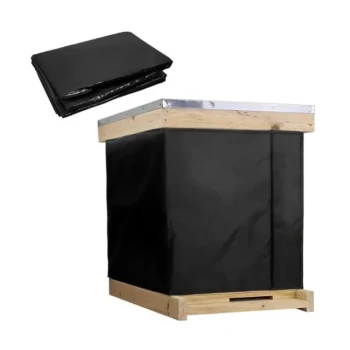
High-quality wood materials with low thermal conductivity are the primary drivers of Apis cerana farming efficiency. By providing superior insulation, these materials minimize the energy worker bees must spend on internal temperature regulation. This redirected energy allows for significantly higher foraging rates and increased honey yields, making material choice a critical factor for professional beekeeping operations.
Core Takeaway: Selecting beehives with optimal thermal properties creates a stable microenvironment that prevents colony absconding and maximizes honey production. For distributors, offering expert-vetted wooden hives is essential for ensuring long-term customer success and repeat business.
The Science of Thermal Insulation in Beehive Materials
Impact of Density on Thermal Conductivity
The density and thermal conductivity of the wood species used are the most critical factors in hive performance. Lower-density woods generally provide higher thermal insulation, acting as a barrier against extreme external temperatures.
This insulation allows the colony to maintain a constant internal temperature regardless of external weather shifts. For the commercial farmer, this stability is the foundation of a high-yielding apiary.
Energy Expenditure and Foraging Focus
When a hive is poorly insulated, worker bees must dedicate significant energy to thermoregulation through fanning or clustering. High-insulation wooden hives reduce this workload significantly.
By minimizing the energy required to maintain the nest temperature, a larger percentage of the colony can focus on foraging and honey production. This shift directly correlates to increased efficiency and higher profit margins for the end-user.
Enhancing Colony Stability and Productivity
Preventing Colony Absconding
Apis cerana is particularly sensitive to environmental fluctuations and is known for absconding (fleeing the hive) when conditions become unstable. Premium wood materials provide the humidity and temperature stability needed to keep the colony grounded.
By reducing the likelihood of fleeing, beekeepers maintain their colony numbers and avoid the financial losses associated with hive abandonment. This stability is a key selling point for high-end beekeeping equipment.
Scent Acceptance and Adaptation
The natural scent of the wood plays a vital role in how quickly a new colony accepts a hive. Suitable wood species reduce the adaptation period after a colony is hived.
Quick acceptance decreases the risk of the bees fleeing during the initial setup phase. Providing hives that simulate a natural nest environment ensures a smoother transition for the bees and the beekeeper.
Understanding the Trade-offs
Insulation vs. Durability
While softer, less dense woods offer superior insulation, they may be more prone to corrosion or wear over time. Choosing the right material requires a balance between thermal efficiency and the physical lifespan of the hive.
Professional distributors must source products that utilize treated or high-grade timber that manages to provide both insulation and long-term durability. Neglecting this balance can lead to increased replacement costs for the beekeeper.
Breathability vs. Heat Retention
A hive must retain heat without trapping excessive moisture, which can lead to mold and bee health issues. The breathability of the wood is just as important as its thermal properties.
Standardized designs, such as 6-frame configurations, help manage this balance by providing precise physical dimensions that facilitate natural ventilation while maintaining a controlled microenvironment.
Choosing the Right Hive for Your Portfolio
As a distributor or wholesaler, your goal is to provide a comprehensive product portfolio that meets the rigorous demands of professional Apis cerana farmers. Our deep industry expertise ensures that every hive we source meets strict thermal and structural standards.
- If your primary focus is maximizing honey yield: Prioritize hives made from high-insulation wood species that minimize worker bee energy expenditure.
- If your primary focus is colony retention in harsh climates: Select hives with superior thermal stability and natural scents to prevent absconding and encourage fast hiving.
- If your primary focus is operational scalability: Opt for standardized wooden hives with precise dimensions that facilitate easy inspection and rapid colony expansion.
Empower your clients with scientifically-backed hive solutions that prioritize thermal efficiency and colony health.
Summary Table:
| Key Feature | Impact on Apis cerana Colony | Commercial Benefit for Apiaries |
|---|---|---|
| Low Thermal Conductivity | Maintains stable internal temperature with minimal effort. | Higher foraging rates & increased honey production. |
| High Insulation | Reduces energy spent on thermoregulation. | Lower metabolic stress & improved colony health. |
| Natural Wood Scent | Encourages faster hive acceptance & adaptation. | Prevents colony absconding (fleeing) after hiving. |
| Material Breathability | Prevents moisture buildup and mold growth. | Extended hive lifespan & reduced disease risk. |
Elevate Your Beekeeping Supply Chain with HONESTBEE
As a dedicated partner to commercial apiaries, distributors, and B2B resellers, HONESTBEE offers a comprehensive one-stop sourcing solution for the professional beekeeping industry. We understand that precision-engineered equipment is the backbone of a profitable apiary.
Our Value to Your Business:
- Comprehensive Portfolio: Access a full spectrum of products, from high-insulation wooden hives and essential consumables to specialized hive-making and honey-filling machinery.
- Deep Industry Expertise: Our products are scientifically vetted to ensure colony stability and maximize honey yields for your end-users.
- Premium Service: Benefit from ultra-fast delivery, rapid response times, and exceptional B2B support tailored to help you maintain high profit margins.
Ready to scale your inventory with industry-leading beekeeping tools and hardware?
Contact our expert team today to discuss your wholesale needs!
References
- Wara Asfiya, Laras Ay Hapsari. Eksplorasi potensi budi daya lebah madu Apis cerana Fabricius di Taman Kehati Kiarapayung, Jawa Barat. DOI: 10.5994/jei.22.1.1
This article is also based on technical information from HonestBee Knowledge Base .
Related Products
- Professional Insulated Winter Hive Wrap for Beekeeping
- Wholesales Dadant Size Wooden Bee Hives for Beekeeping
- Inner Beehive Cover for Beekeeping Bee Hive Inner Cover
- Wooden Bee Hive Frames for Beekeeping and Wholesale
- Solid Bottom Board Australian Pine Wood Langstroth Bottom Board for Wholesale
People Also Ask
- What are the steps to properly wrap a beehive for winter? Ensure Your Colony Survives the Cold
- When is the best time to wrap a beehive for winter? A Guide to Perfect Winterization Timing
- How do professional insulation wraps provide protection for bee colonies? Optimize Winter Survival & Energy Efficiency
- What are the technical benefits of using winter wraps for beehive insulation? Boost Colony Survival & Hive Health
- What are the benefits of using insulated covers for hives? Ensure Colony Survival and Health