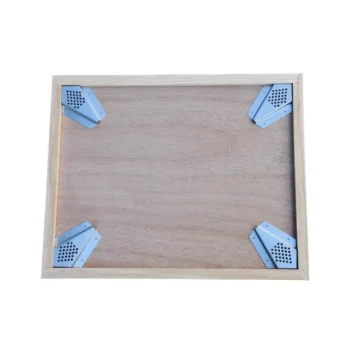
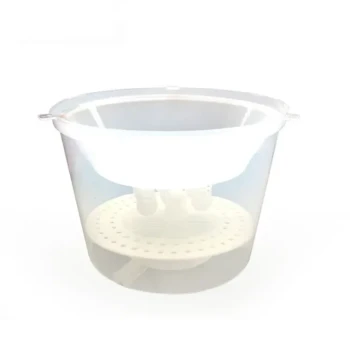
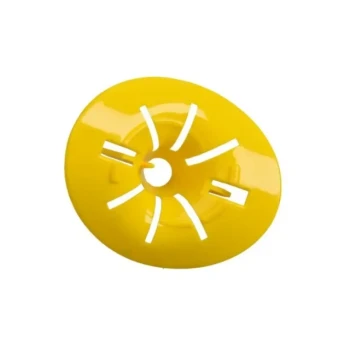
Wooden pollen traps function as mechanical filters installed directly at the hive entrance. By forcing returning foraging bees to navigate through specific physical restriction holes, the device mechanically scrapes pollen pellets from the bees' hind legs. These dislodged pellets fall into a collection tray below, securing a representative sample of the colony's forage without requiring invasive hive inspections.
The pollen trap serves as a critical interface between external field activity and internal colony analysis. By intercepting raw pollen loads at the threshold, it provides immediate, quantifiable data on foraging vitality, environmental resources, and colony nutrition.
The Mechanics of Collection
The Restriction Grid
The core component of the trap is a barrier featuring a grid of precise apertures. These holes are large enough for a worker bee to pass through but narrow enough to impact the pollen baskets on their hind legs. As the bee squeezes through, the physical friction strips the pollen pellets.
Non-Invasive Sampling
Because the trap is external, it captures "fresh" pollen that has not yet been processed or stored by the colony. This allows researchers and apiarists to obtain raw samples while the colony continues its normal activities. The primary reference notes that the device collects only a portion of the load, ensuring the colony is not completely deprived of resources.
Deriving Data from Foraging Activity
Quantifying Foraging Vitality
The volume of pollen collected in the tray acts as a direct metric for pollination efficiency. By weighing the catch over specific time intervals, operators can assess the "work rate" of the colony. High volumes indicate a vital, active workforce and abundant local resources.
Identification of Flora
Because the samples are synchronized with specific collection times, they offer a snapshot of what is blooming right now. Researchers analyze these samples based on color and morphology to identify specific plant sources (such as Phacelia tanacetifolia). This data reveals the utilization rates of different plants and helps map the biodiversity of the surrounding environment.
Environmental Safety Monitoring
The trap allows for the detection of chemical exposure. Because the pollen is intercepted before it is mixed with hive stores, it serves as an ideal medium for toxicity assessment. This is essential for monitoring the colony's exposure to pesticides used in the foraging radius on any given day.
Understanding the Trade-offs
Impact on Colony Intake
While the primary reference states that normal activities are not interrupted, the trap fundamentally relies on resource removal. It intercepts nutritional intake intended for the brood. Continuous use without monitoring can stress the colony by reducing their protein stores, so it is often used as a sampling tool rather than a permanent fixture.
Traffic Congestion
The restriction holes create a physical bottleneck at the entrance. During peak foraging hours, this can slow down the entry of returning bees. While necessary for the functioning of the trap, this resistance is a factor to consider when assessing overall colony efficiency during heavy honey flows.
Making the Right Choice for Your Goal
To effectively utilize wooden pollen traps, align your usage pattern with your specific objective:
- If your primary focus is Commercial Yield: Use the trap to determine forage abundance in the current location to decide if colony relocation is necessary for better resources.
- If your primary focus is Environmental Research: Utilize the trap to capture synchronized samples for identifying floral diversity and specific plant utilization rates during flowering periods.
- If your primary focus is Colony Health: Deploy the trap for short intervals to screen for pesticide exposure and analyze the nutritional quality of the pollen intake.
By treating the pollen trap as a diagnostic instrument rather than just a collection device, you convert raw biological material into actionable intelligence about your apiary's environment.
Summary Table:
| Feature | Function in Monitoring | Key Benefit |
|---|---|---|
| Restriction Grid | Strips pollen pellets via mechanical friction | Collects raw, unprocessed samples |
| Collection Tray | Captures dislodged pollen for weighing | Quantifies foraging vitality and work rate |
| Sample Analysis | Examines color and morphology of pollen | Identifies floral diversity and blooming cycles |
| External Design | Intercepts pollen before it enters the hive | Enables pesticide and toxicity screening |
Maximize Your Apiary’s Potential with HONESTBEE
At HONESTBEE, we understand that data-driven beekeeping is the key to success for commercial apiaries and distributors. Whether you are monitoring colony health or scaling up production, our comprehensive wholesale range provides everything you need. From precision-engineered wooden pollen traps and hive-making machinery to honey-filling systems and professional-grade beekeeping tools, we deliver the quality your business demands.
Ready to elevate your operations? Contact us today to explore our full spectrum of beekeeping equipment and consumables. Let HONESTBEE be your partner in building a more productive and sustainable apiary.
References
- Ashley L. St. Clair, Adam G. Dolezal. Access to prairie pollen affects honey bee queen fecundity in the field and lab. DOI: 10.3389/fsufs.2022.908667
This article is also based on technical information from HonestBee Knowledge Base .
Related Products
- Removable Plastic Pollen Trap With Ventilated Tray for Bees Pollen Collector
- Stainless Steel Pollen Shovel with Wooden Handle
- 30 cm Plastic Entrance Hole Bee Pollen Trap and Collector
- Plastic Bee Pollen Trap Strips Comb Catcher Collector
- High-Efficiency Diamond Maze Bee Escape for Clearing Supers
People Also Ask
- What are the design principles and advantages of pollen traps in the collection of bee pollen? Boost Your Apiary Yield
- What is the function of professional pollen traps in evaluating honey plants? Quantifying Pollination and Crop Potential
- What functions do pollen traps serve for bee bread production? Optimize Your Raw Material Collection
- What maintenance and pest prevention measures should be taken for pollen traps? Protect Your Hive and Harvest Quality
- How does the use of pollen traps in honeybee hives enhance crop fertilization? Boost Your Yield Through Induced Activity