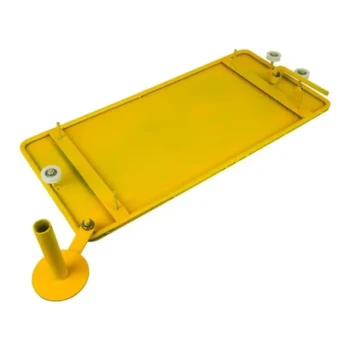
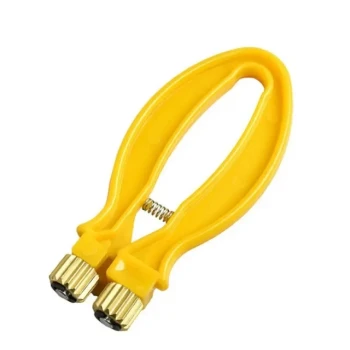
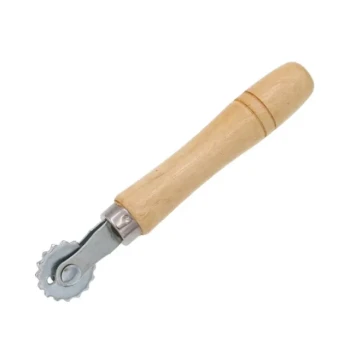
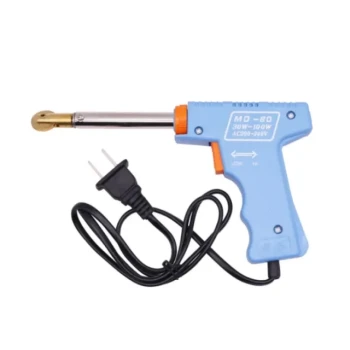
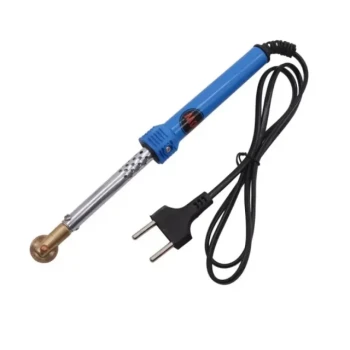
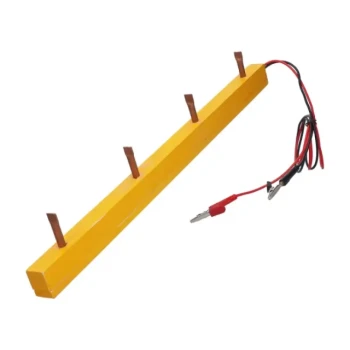
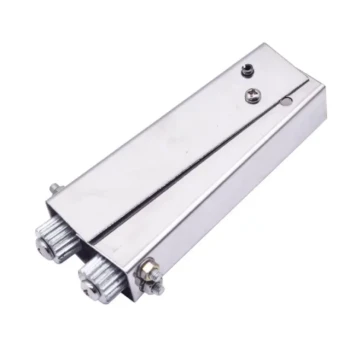
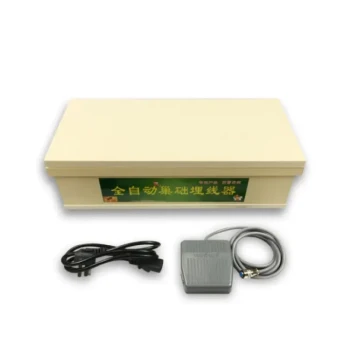
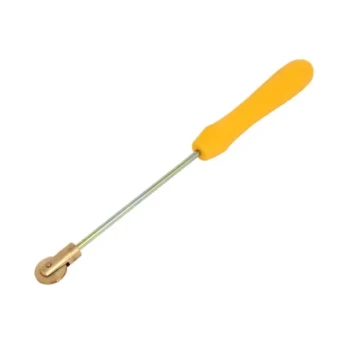
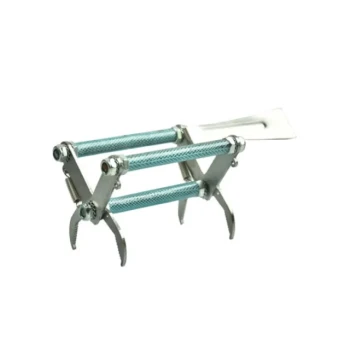
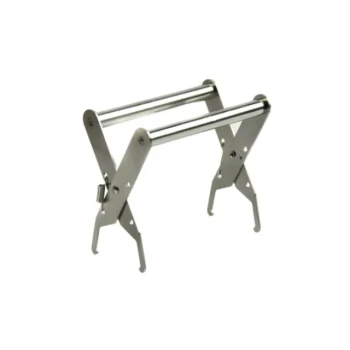
A frame wiring jig operates by acting as a mechanical third hand, securely holding the bee frame while dispensing wire from a mounted spool through a system of guide wheels. It aligns the wire with the frame's eyelets, allowing you to thread the wire through the end bars, anchor it to the wood, and apply significant tension before releasing the wire from the jig's guides to lock it in place.
The jig transforms the wiring process from a clumsy manual struggle into a streamlined mechanical workflow. Its primary value lies in its ability to hold the frame rigid while you apply enough tension to make the wire "sing" like a harp, ensuring it can support the weight of a beeswax foundation.
The Mechanics of Operation
Stabilization and Wire Feeding
The jig begins by clamping the wooden frame securely into a fixed position. It simultaneously holds a spool of wire, allowing it to dispense freely without tangling as you work.
Routing Through Guide Wheels
As you pull the wire, it runs through the jig and around specific guide wheels. These wheels position the wire so that it aligns perfectly with the holes in the frame's end bars, simplifying the threading process.
The Release Mechanism
The unique feature of the jig is the interaction between the wheels and the frame. After the wire is run through the frame and fastened, it is released from the wheels. This release is critical, as it frees the wire from the jig's friction, allowing you to pull it tight against the wood.
Step-by-Step Installation Process
Anchoring the Start Point
To begin, drive a 3/4 inch nail partially into the lower side of the bar. Thread the wire through the frame holes and wrap the loose end around this nail four times. Drive the nail flush into the wood to permanently secure the starting point.
Tensioning the System
Once threaded, you must tighten the wire in stages. Pull each horizontal section of wire taut by hand. Simultaneously, rotate the wire spool on the jig backward to take up any remaining slack in the line.
Securing the Terminus
With the wire pulled tight, wrap the remaining end around a second pre-driven nail on the opposite side. Drive this nail flush to lock the tension in. Twist the wire until it snaps off cleanly, leaving no sharp edges.
Common Pitfalls to Avoid
Over-Tensioning and Warping
While tension is the goal, there is a limit. If you pull the wire too aggressively without the jig's support, you risk bowing the side bars of the frame inward. This warping distorts the frame's dimensions and makes it unusable in the hive.
Under-Tensioning
Conversely, if the wire is not tight enough, it will not support the foundation. The standard test is auditory: the wire must sound like a harp string when plucked. If it produces a dull thud, the foundation may sag or collapse under the weight of the bees and honey.
Making the Right Choice for Your Goal
To ensure your frames are built to last, apply the jig's mechanics to your specific objective:
- If your primary focus is structural integrity: Prioritize the "harp test" on every single strand; if a wire doesn't sing, the foundation will likely fail.
- If your primary focus is workflow efficiency: Utilize the jig's backward spool rotation to quickly remove slack, rather than trying to pull every inch tight by hand alone.
The wiring jig is not just a holder; it is a tensioning tool designed to create the rigid internal skeleton required for a healthy, productive comb.
Summary Table:
| Feature | Function in Operation | Benefit to Beekeeping |
|---|---|---|
| Mechanical Clamp | Secures the wooden frame in a fixed position | Prevents frame warping during tensioning |
| Guide Wheels | Aligns wire with end bar eyelets | Simplifies threading and reduces friction |
| Mounted Spool | Dispenses wire freely without tangling | Speeds up workflow and reduces material waste |
| Tensioning System | Allows backward rotation to take up slack | Ensures "harp-string" tension for structural integrity |
Scale Your Apiary Operations with HONESTBEE Professional Equipment
Efficient frame preparation is the backbone of a productive honey harvest. At HONESTBEE, we understand the needs of commercial apiaries and distributors who require reliable, high-volume solutions.
We provide a comprehensive wholesale offering, including:
- Precision Beekeeping Tools: High-performance wiring jigs and assembly hardware.
- Industrial Machinery: Professional-grade hive-making and honey-filling machines.
- Essential Consumables: A full spectrum of durable beekeeping components and supplies.
- Cultural Merchandise: Unique honey-themed retail products to diversify your portfolio.
Whether you are upgrading your production line or stocking your distribution center, HONESTBEE delivers the quality and scale your business demands. Contact us today to explore our wholesale catalog and optimize your workflow!
Related Products
- HONESTBEE Professional Frame Wiring Board and Jig
- HONESTBEE Durable Frame Wiring Board with Integrated Tensioner
- Professional Bee Frame Wiring Tool with Integrated Tensioning System by HONESTBEE
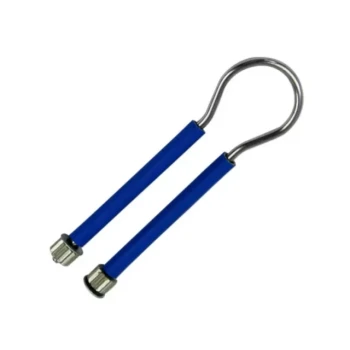
- HONESTBEE Loop Handle Frame Wire Crimper
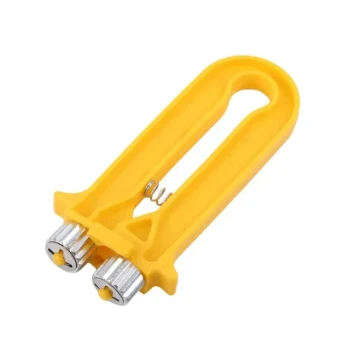
- HONESTBEE Ergonomic Spring Loaded Frame Wire Crimper
People Also Ask
- How to wire a bee frame? A Step-by-Step Guide for Strong, Durable Honeycomb
- What is the final step in wiring a frame? Secure Lasting Tension for a Durable Hive
- What is minimalist bee frame wiring? Learn the Risks and Benefits for Beekeeping
- What tools and materials are required for wiring a beehive frame? Essential Equipment for Stronger Honeycomb
- What is the purpose of the frame wiring jig? Speed Up Bee Frame Wiring in Under 90 Seconds