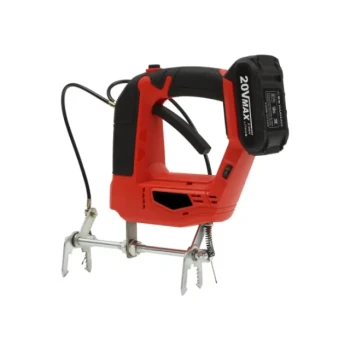
A laboratory shaker fundamentally improves Varroa mite detection by automating mechanical agitation, ensuring a consistency that manual methods cannot match. By subjecting honey bee samples to high-frequency vibration and vigorous physical rinsing, the device effectively dislodges mites hidden deep within the bees' overlapping body segments, leading to a precise and repeatable count.
Core Insight: Manual shaking is inherently inconsistent and often fails to dislodge mites tucked between bee segments, leading to dangerously underestimated infestation levels. A laboratory shaker mitigates this risk by delivering standardized, high-energy agitation that guarantees maximum mite detachment and reliable data for treatment decisions.
The Mechanics of Precision
Overcoming Physical Barriers
Varroa mites are adept at hiding. They frequently lodge themselves between the overlapping body segments (tergites) of the honey bee, making them difficult to dislodge with gentle or inconsistent movement.
A laboratory shaker utilizes high-frequency mechanical agitation to create a vigorous rinsing action. This physical force is necessary to penetrate these hiding spots and mechanically detach the mites from the host.
Standardization of Data
In manual processing, the intensity and duration of shaking vary significantly from person to person. This introduces human error and makes it difficult to compare infestation rates over time.
Automated power input removes this variable entirely. By applying the exact same force and duration to every sample, the shaker provides standardized data, allowing for accurate comparison against pest control thresholds.
Efficiency in the Workflow
Increasing Throughput
Manual washing is labor-intensive and acts as a bottleneck when processing multiple colonies. A laboratory shaker automates the physical exertion required to wash samples.
This automation significantly increases the overall throughput of sample processing. Technicians can prepare subsequent samples or record data while the machine performs the wash, fast-tracking the quantification process.
Rapid Separation
Professional-grade devices often incorporate internal filter baskets alongside high-speed agitation. This design allows mites to precipitate out of the sample quickly.
This immediate separation accelerates the workflow, enabling beekeepers to quickly determine if a colony has reached the threshold for intervention.
Understanding the Trade-offs
Equipment vs. Operational Cost
While a laboratory shaker offers superior accuracy, it represents a higher upfront financial investment compared to simple manual wash jars.
Infrastructure Requirements
Unlike a portable jar used in the field, laboratory shakers typically require a power source and a stable benchtop environment. This may limit their utility for beekeepers who need immediate, in-field results in remote locations without electricity.
Making the Right Choice for Your Goal
To select the best detection method for your operation, consider your volume and accuracy needs:
- If your primary focus is commercial or research-grade accuracy: Invest in a laboratory shaker to ensure consistent, standardized data that mitigates the risk of underestimating lethal mite loads.
- If your primary focus is low-volume, rapid field checks: A manual wash may suffice, provided you acknowledge the potential for lower detection rates and reduced consistency.
Automation in diagnostics transforms Varroa monitoring from a guessing game into a precise science, safeguarding the health of the apiary.
Summary Table:
| Feature | Manual Shaking | Laboratory Shaker |
|---|---|---|
| Consistency | Low (Varies by person) | High (Standardized mechanical force) |
| Mite Detachment | Inconsistent/Superficial | Maximum (High-frequency vibration) |
| Data Reliability | High risk of underestimation | Research-grade accuracy |
| Sample Throughput | Slow/Labor-intensive | High (Automated processing) |
| Best Use Case | Small-scale field checks | Commercial apiaries & laboratories |
Elevate Your Apiary Management with HONESTBEE Precision Tools
Protecting your colonies requires accurate data and professional-grade equipment. HONESTBEE specializes in supporting commercial apiaries and distributors with a comprehensive range of wholesale beekeeping solutions. From high-precision laboratory shakers and honey-filling machines to specialized hive-making hardware, we provide the tools you need to scale your operations efficiently.
Why partner with HONESTBEE?
- Total Equipment Solutions: Access a full spectrum of machinery and essential industry consumables.
- Commercial Expertise: We cater specifically to the high-volume needs of professional beekeepers.
- Precision and Quality: Our products ensure standardized processes for better hive health and yield.
Ready to upgrade your workflow? Contact us today to explore our wholesale offerings!
References
- Mustafa Yaman, Sabri Ünal. Prevalence of Nosemosis and Varroosis in Honey Bees in Sinop Province. DOI: 10.17475/kastorman.1367988
This article is also based on technical information from HonestBee Knowledge Base .
Related Products
- Varroa Easy Check Mite Tester Kit Counter Alcohol Wash Jar
- Heavy Duty 12V Oxalic Acid Evaporator Vaporizer for Bee Varroa Mite Treatment Beekeeping Fumigator Atomizer
- Durable 12V Oxalic Acid Vaporizer for Varroa Mite Treatment Beehive Beekeeping Tool
- Oxalic Acid Vaporizer 12V for Bee Varroa Mite Treatment
- 12V Bee Mite Removal Evaporator Oxalic Acid Vaporizer for Bee Fumigation Treatment 180W Atomization
People Also Ask
- What tools are utilized within an Integrated Pest Management (IPM) strategy for honeybees? Optimize Colony Health
- What is the significance of standardized detection tools in Varroa control? Data-Driven Beekeeping Strategies
- Why is surfactant added to 70% alcohol for Varroa detection? Ensure Accurate Mite Counts for Professional Beekeeping
- What is the purpose of using white filter cloth for Varroa mite screening? Enhance Detection and Accuracy
- How does a specialized Varroa mite tester with sugar powder facilitate mite diagnosis? Precise B2B Hive Health Solutions