Artificial queen replacement transforms apiary management from a game of chance into a controlled scientific process. By substituting the randomness of natural succession with improved queen cells, beekeepers actively select for superior genetics. This shift directly addresses productivity bottlenecks caused by aging queens, ensuring higher disease resistance and maximized honey yields.
Natural queen replacement frequently leads to irregular hive performance due to genetic unpredictability. Artificial intervention solves this by allowing beekeepers to purposefully introduce traits that enhance colony vigor, standardize production, and eliminate genetic degradation.
Moving Beyond Biological Randomness
The Instability of Natural Replacement
Natural queen replacement is inherently unpredictable. Relying on a colony to replace its own queen often leads to random and irregular hive performance. Because the genetic outcome is left to chance, you cannot guarantee the new queen will possess the traits required for high production.
Eliminating Genetic Degradation
Over time, colonies left to their own devices may suffer from breed degradation or a lack of adaptation to local climates. Artificial replacement halts this decline. It introduces fresh, improved queen cells specifically chosen to reinvigorate the hive and resolve issues related to aging queens.
The Mechanics of Productivity Enhancement
Directional Trait Selection
Artificial rearing allows you to engage in "directional selection" of desirable genetic traits. You can prioritize specific characteristics such as strong disease resistance, high foraging capacity, and gentle temperament. This ensures every hive is genetically optimized for your specific production goals.
Maintaining Colony Vigor
An aging queen inevitably leads to dwindling populations and lower yields. Introducing high-quality queen cells ensures that high egg-laying rates are maintained without interruption. A vigorous laying pattern directly correlates to a larger workforce and, subsequently, higher honey production efficiency.
Preventing Production Loss via Swarming
Natural replacement is often triggered by swarming, a process that splits the colony and drastically reduces its workforce. Artificial intervention allows you to preemptively replace queens on your schedule. This prevents the colony weakening associated with natural swarming, keeping the workforce intact and focused on honey production.
Operational Efficiency and Scale
Standardizing Hive Performance
Using standardized rearing equipment allows for the creation of queens with uniform characteristics. Instead of managing a mix of strong and weak hives, you achieve consistent performance across the entire apiary. This makes management protocols significantly more predictable and scalable.
High-Volume Production
Modern rearing tools enable the large-scale, controlled production of hundreds of queens simultaneously. This greatly increases the efficiency of colony splitting operations. It ensures a stable supply of high-quality stock, allowing for rapid expansion or replacement without relying on the slow pace of natural reproduction.
Understanding the Trade-offs
The Requirement for Specialized Equipment
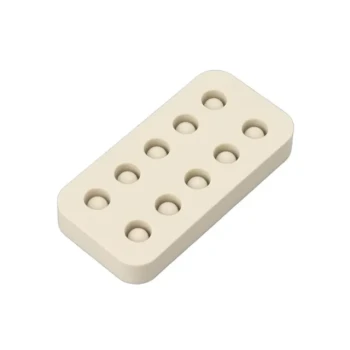
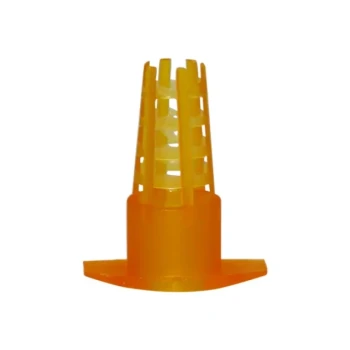
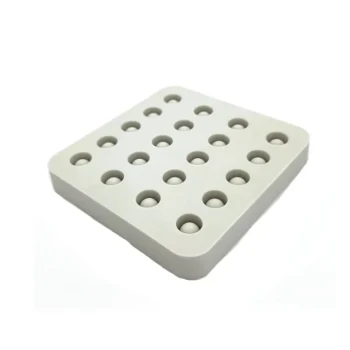
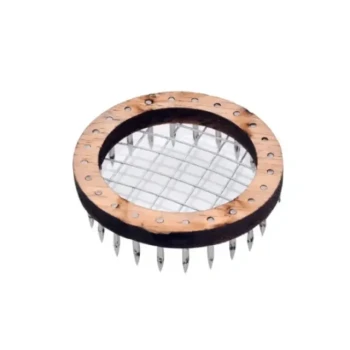
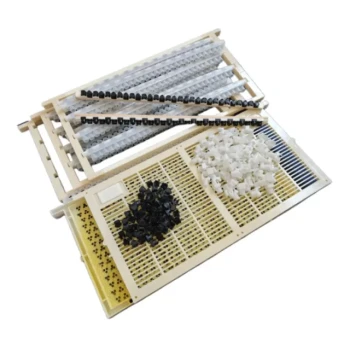
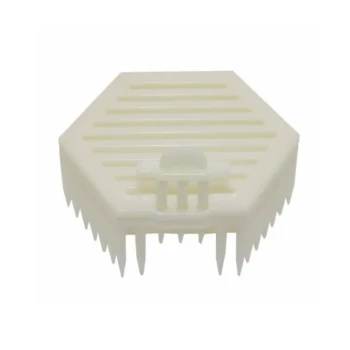
Unlike natural replacement, artificial methods require investment in professional tools. You must utilize specific equipment such as grafting needles, queen cell bars, and mating nucs to simulate optimal hatching environments. This approach shifts the burden of success from nature to the beekeeper's resources.
The Skill Barrier
While equipment facilitates the process, the success rate depends heavily on technical precision. Artificial rearing is not passive; it requires knowledge of grafting and colony management to ensure the "improved" cells actually result in viable queens. Mismanagement here can lead to replacement failure, temporarily leaving a hive queenless.
Making the Right Choice for Your Goal
To determine if artificial queen replacement aligns with your apiary strategy, consider your primary objectives:
- If your primary focus is Maximum Honey Yield: Prioritize queens selected for high foraging capacity and egg-laying rates to maintain a massive workforce.
- If your primary focus is Apiary Health: Select for disease resistance and hygienic behavior to reduce reliance on chemical treatments.
- If your primary focus is Scalability: Utilize industrial rearing frames to produce uniform queens, allowing you to split colonies efficiently and grow your operation.
By taking control of queen genetics, you move your apiary from surviving nature to mastering it.
Summary Table:
| Feature | Natural Queen Replacement | Artificial Queen Replacement |
|---|---|---|
| Genetic Control | Random/Unpredictable | Directional (High Vigor/Resistance) |
| Production Stability | Irregular Performance | Standardized Hive Performance |
| Swarm Risk | High (Loss of Workforce) | Low (Managed Schedule) |
| Scalability | Slow/Manual | High-Volume/Rapid Expansion |
| Resource Need | Zero Investment | Specialized Equipment Required |
| Yield Potential | Variable | Maximized via Superior Genetics |
Maximize Your Apiary Potential with HONESTBEE
Transitioning from natural succession to scientific queen rearing is the key to scaling your operations and securing higher honey yields. At HONESTBEE, we empower commercial apiaries and distributors with the professional-grade tools needed to master this process.
Why Partner with HONESTBEE?
- Comprehensive Wholesale Offering: From precision grafting needles and queen cell bars to high-capacity hive-making and honey-filling machinery.
- Industry Expertise: We supply the full spectrum of beekeeping equipment and consumables designed for durability and high-volume production.
- Scalable Solutions: Whether you are expanding your colony counts or optimizing processing efficiency, our portfolio supports every stage of your growth.
Ready to elevate your beekeeping productivity? Contact us today to explore our wholesale catalog and discover how HONESTBEE can streamline your path to a more profitable apiary.
References
- Diogo de Barros Mota Mélo, Roger Beelen. Apicultura no Estado de Alagoas: um estudo sobre práticas desenvolvidas por apicultores em Município do Agreste Alagoano. DOI: 10.22256/pubvet.v5n2.1001
This article is also based on technical information from HonestBee Knowledge Base .
Related Products
- JZBZ Push-In Queen Cell Cups for Beekeeping
- Premium Nicot Style Cell Bar Holder and Queen Cell Cup Holder System
- 10-Cell Silicone Beeswax Bee Queen Cups Forming Mold
- Clear Black Plain Polystyrene Queen Bee Grafting Cell Cups No Lug for Bee Queen Cup
- JZBZ Style Shipping Cell Protector for Queen Rearing Kit
People Also Ask
- What roles do specialized queen cell cups play in royal jelly production? Optimize Your Hive's Secretion and Yield
- What role do specialized queen rearing tools play in developing mite-resistant honeybee stock? Master Genetic Selection
- What materials are used to make artificial queen cell cups for grafting? Beeswax vs. Plastic Guide
- Why is a diluted royal jelly solution applied to queen cell cups? Boost Acceptance in Artificial Grafting
- How does the standardized depth of queen cell cups affect larval acceptance? Boost Success with 6mm Precision