Greenhouse deployment changes the hive from a general-purpose field unit into a controlled pollination system. For managed European honey bee (Apis mellifera) colonies, commercial operators should prioritize standardized movable-frame hives that are durable, stackable, transport-ready, and easy to inspect. Feeding equipment also becomes more important because colonies have limited access to natural forage inside or around the greenhouse and may need carefully managed supplemental nutrition throughout the crop cycle.
Greenhouse pollination requires equipment that protects colony strength while allowing rapid handling in a confined, high-value production environment. The strongest commercial setup combines standardized hive hardware with reliable internal or entrance feeders and a disciplined feeding program.
Why Greenhouse Pollination Changes Equipment Requirements
Colonies operate with limited forage
Unlike colonies placed beside abundant flowering crops, greenhouse colonies may have restricted access to diverse nectar and pollen sources. This increases the importance of supplemental feeding equipment that can deliver feed without unnecessarily disturbing the bees.
Hive and feeder selection should therefore support consistent nutrition, easy monitoring, and low-stress servicing during the entire greenhouse cycle.
The colony is a production asset
In commercial pollination, the objective is not primarily honey production. The colony is being deployed as a mobile biological asset to provide reliable foraging activity and crop pollination.
Equipment should consequently be evaluated for its effect on colony strength, handling speed, transport safety, and inspection efficiency—not only for honey storage or extraction.
Greenhouses require controlled deployment
A greenhouse is a confined operating environment. Hive placement, access for the beekeeper, and the ability to open, inspect, feed, and secure the colony must all be considered when selecting hive hardware.
Standardized equipment is especially valuable because it enables commercial teams to use repeatable procedures across multiple colonies and customer sites.
Choosing Commercial Hives for Apis mellifera
Use standardized movable-frame systems
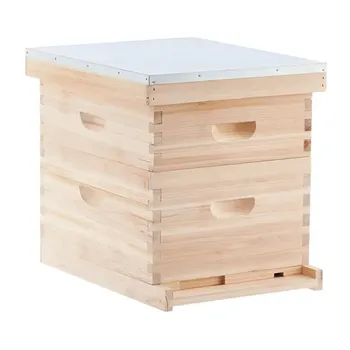
Commercial Apis mellifera operations should generally use standardized movable-frame hives rather than traditional fixed-comb or log hives. Movable frames allow beekeepers to inspect colony strength, manage brood and food stores, and maintain colonies efficiently at scale.
They also support compatibility with standardized frames, hive bodies, feeders, inspection tools, and—where relevant—uncapping and honey-extraction equipment.
Prioritize durable, stackable construction
Hive bodies should withstand repeated handling, movement, and stacking. Precision-manufactured wooden or composite components can provide the dimensional consistency needed for commercial assembly and replacement.
For distributors and resellers, a full system is more useful than isolated hive boxes. Compatible bodies, covers, bottoms, frames, feeders, fasteners, and replacement parts simplify procurement for commercial apiaries.
Select transport-ready hardware
Many pollination providers operate migratorily, moving colonies between agricultural zones and seasonal production sites. Even when colonies are deployed in greenhouses, they may need to be transported before and after the production cycle.
Useful transport features include:
- Hive fasteners and securing straps
- Ventilation screens
- Entrance reducers
- Secure covers and base components
- Consistent dimensions for stacking and handling
These components help reduce movement-related damage and support safer colony migration.
Make inspection practical
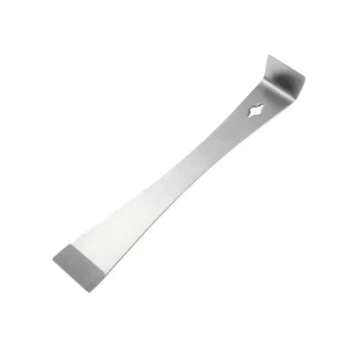
Greenhouse colonies still require routine evaluation before and during deployment. Hive tools, smokers, protective suits, and other inspection equipment should work with the chosen hive format and allow rapid access without excessive colony disruption.
A standardized system also makes it easier to compare colony condition across locations and replace damaged components without redesigning the operation.
Selecting Feeding Equipment for Greenhouse Colonies
Match the feeder to the management routine
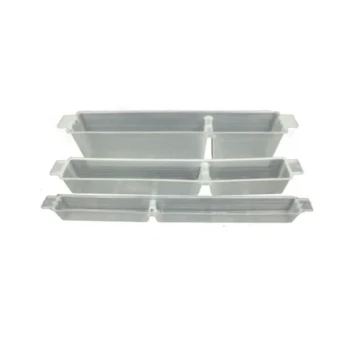
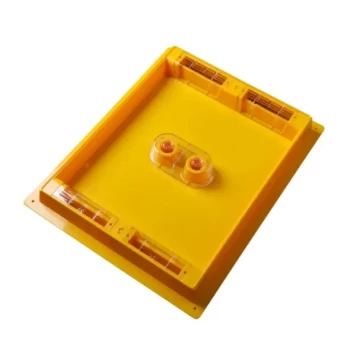
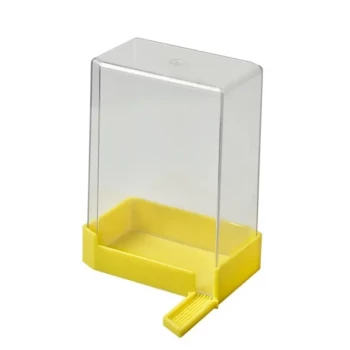
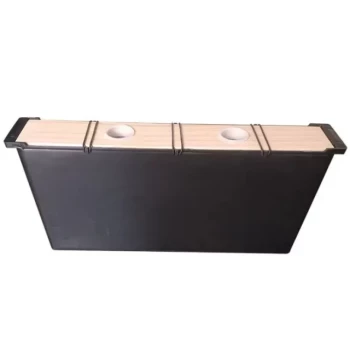
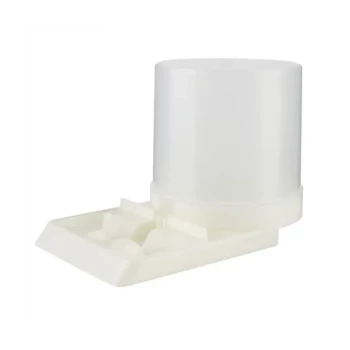
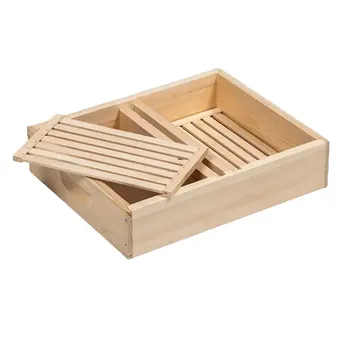
Commercial greenhouse operations commonly use internal frame feeders or entrance feeders to supply supplemental sugar syrup. The appropriate choice depends on how frequently colonies are serviced, how much access the beekeeper has, and how much colony disturbance the operation can tolerate.
Internal feeders integrate with the hive and can support controlled feeding during inspections. Entrance feeders can be convenient for rapid administration, but their placement and access must be compatible with the greenhouse layout and colony traffic.
Support supplemental nutrition without excessive disturbance
Because greenhouse bees may have limited natural forage, feeders should allow the beekeeper to maintain nutrition while preserving colony strength. Equipment should be leak-resistant, easy to clean, simple to refill, and compatible with the hive’s standardized dimensions.
For commercial buyers, feeder consistency matters. A uniform feeder platform reduces training requirements, simplifies inventory, and allows service teams to work across many colonies efficiently.
Use feeding as part of pollination management
Some commercial pollination programs use sugar syrup infused with fresh flowers and pollen from the target crop to encourage foraging on that crop. This type of aroma conditioning is intended to help direct foraging activity toward the greenhouse crop.
Where this technique is used, feeder design must permit accurate preparation and controlled delivery of the solution. It should be treated as a managed operating practice rather than a substitute for healthy colonies and suitable greenhouse conditions.
Avoid overly concentrated syrup
The supplementary reference identifies a dilute sugar syrup of approximately one part sugar to two or three parts water for this application. Feeding is described as taking place at night or in the early morning before foraging flights.
Thick syrup can discourage active foraging, so equipment selection should support the delivery of the intended dilute solution without clogging, excessive leakage, or difficult cleanup.
How Hive and Feeder Choices Work Together
Preserve colony strength
Hive hardware protects the colony’s physical environment and enables inspection. Feeding equipment supplies nutritional support when natural forage is insufficient.
These functions are interdependent. A durable hive with an unreliable feeder does not provide a dependable pollination platform, while an efficient feeder cannot compensate for poor hive construction or weak colony management.
Reduce labor per colony
Commercial pollination margins depend heavily on operational efficiency. Standardized hive bodies, compatible frames, and accessible feeders reduce the time required for inspection, feeding, repairs, and preparation.
For wholesalers and resellers, offering matched systems can create more value than supplying individual components from unrelated standards.
Enable rapid deployment
Pollination providers may need to prepare and move many colonies within a narrow flowering or production window. Transport-ready hives, secure hardware, and easy-to-service feeders help shorten preparation time without sacrificing colony safety.
Fast fulfillment is also commercially important. Replacement frames, feeders, straps, screens, and hive bodies should be available alongside complete hive systems.
Understanding the Trade-offs
Internal feeders versus entrance feeders
Internal frame feeders are well suited to integrated hive management and can reduce exposed feeding points. However, they generally require opening or accessing the hive, which may increase handling time.
Entrance feeders can simplify external access and rapid refilling, but they may be more exposed to interference and must be managed carefully in a confined greenhouse environment.
Durability versus initial cost
More robust hive bodies, transport hardware, and feeders typically cost more at purchase. Their value comes from repeated use, dimensional consistency, reduced damage, and lower operational friction across multiple pollination cycles.
The correct comparison is therefore total operating cost, not only unit price.
Feeding support versus dependence
Supplemental feeding can help colonies operate during periods of limited forage, but it does not eliminate the need for strong colonies, suitable hive placement, and responsible management. Feeding should support pollination readiness rather than conceal inadequate colony condition.
Honey-production equipment versus pollination equipment
Commercial Apis mellifera operations may also require extractors and uncapping equipment, particularly when the same colonies are used in honey-production programs. However, these tools are secondary to hive access, transport security, and feeding reliability when the immediate objective is greenhouse pollination.
Building a Commercial Product Portfolio
Offer a complete compatible system
A practical commercial portfolio should cover the colony’s full operating cycle:
- Hive bodies, covers, floors, and movable frames
- Internal frame feeders and entrance feeders
- Hive straps, fasteners, and ventilation screens
- Entrance reducers and transport accessories
- Smokers, hive tools, and protective clothing
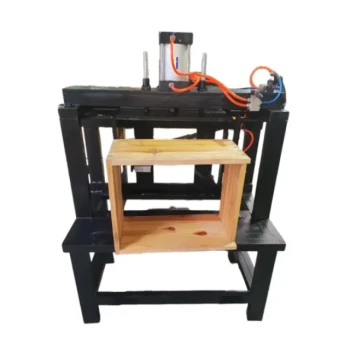
- Frame wiring and hive-assembly equipment
- Replacement parts and maintenance components
Compatibility is a purchasing advantage because customers can source, service, and scale one standardized platform.
Support different operating scales
Small commercial beekeepers may need modular hive-and-feeder packages. Large migratory providers may require high-volume quantities, standardized replacement parts, transport equipment, and efficient order fulfillment.
Distributors should therefore maintain both complete starter systems and bulk replenishment lines.
Prioritize response and fulfillment
Greenhouse crop cycles can create time-sensitive equipment requirements. Rapid quotations, clear technical guidance, dependable stock information, and fast delivery are important commercial differentiators.
Dedicated customer service is particularly valuable when buyers need to confirm frame, feeder, hive-body, or transport-hardware compatibility before placing a larger order.
How to Apply This to Your Project
The right specification depends on whether the priority is colony performance, labor efficiency, transport, or supply-chain simplicity.
- If your primary focus is pollination reliability: Choose durable standardized movable-frame hives paired with dependable internal or entrance feeders that support consistent supplemental nutrition.
- If your primary focus is migratory service operations: Prioritize stackable hive bodies, secure fasteners, ventilation screens, entrance reducers, and equipment that allows rapid colony preparation and transport.
- If your primary focus is greenhouse labor efficiency: Select compatible hive and feeder systems that enable quick inspections, straightforward refilling, and minimal colony disturbance.
- If your primary focus is distribution and resale: Build a full-spectrum portfolio with standardized components, replacement parts, protective equipment, transport hardware, and rapid fulfillment support.
The best greenhouse pollination equipment is the system that keeps Apis mellifera colonies strong, manageable, transportable, and consistently supplied throughout the production cycle.
Summary Table:
| Equipment Type | Key Features | Why It Matters |
|---|---|---|
| Movable-frame hives | Standardized dimensions, stackable, durable, transport-ready | Supports efficient inspection, colony strength, and safe migration |
| Hive components | Covers, bottoms, frames, fasteners, entrance reducers | Ensures compatibility and easy maintenance |
| Internal/entrance feeders | Leak-resistant, simple to refill, compatible with hive | Provides supplemental nutrition with minimal disturbance |
| Transport accessories | Straps, ventilation screens, securing fasteners | Protects colonies during movement and reduces damage |
| Inspection tools | Smokers, hive tools, protective clothing | Enables quick checks without excessive colony disruption |
Ready to upgrade your greenhouse pollination equipment? At HONESTBEE, we supply the full spectrum of beekeeping tools, machinery, and equipment, including standardized hive systems, feeders, and transport accessories. As a trusted partner for commercial apiaries and distributors, we offer one-stop sourcing, premium trading services, rapid response, and ultra-fast delivery. Whether you need OEM/ODM support, certifications, or bulk supply, our team ensures your colonies thrive. Contact us today to discuss your requirements and boost your pollination efficiency!
Related Products
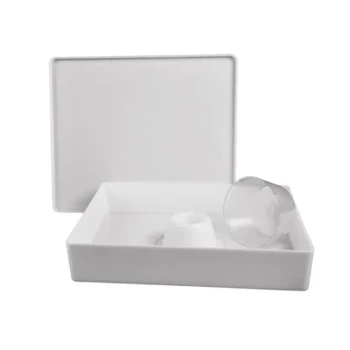
- HONESTBEE Professional Hive Top Bee Feeder Feeding Solution
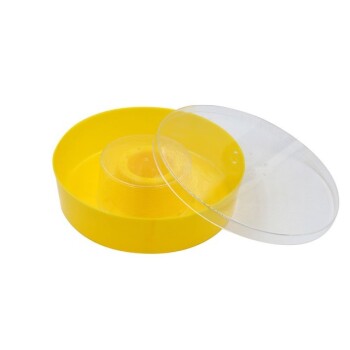
- HONESTBEE Round Hive Top Bee Feeder for Syrup
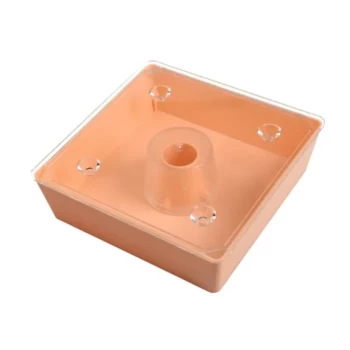
- HONESTBEE Square Top Hive Bee Feeder Top Bee Feeder
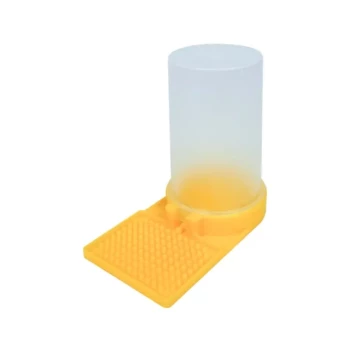
- HONESTBEE Professional Entrance Bee Feeder Hive Nutrition Solution
- In-Hive Dual Compartment Frame Bee Feeder for Targeted Colony Nutrition
People Also Ask
- How does a bee hive top feeder work? A Guide to Efficient, Protected Feeding
- What is a hive top feeder? A Guide to Efficient, Low-Stress Beekeeping
- Do I need an inner cover with a hive top feeder? Optimize Your Hive Setup for Healthy Bees
- What is a hive top feeder, and how does it work? A Complete Guide to Efficient In-Hive Feeding
- What are the characteristics, advantages, and disadvantages of hive top feeders? Optimize Your High-Volume Feeding