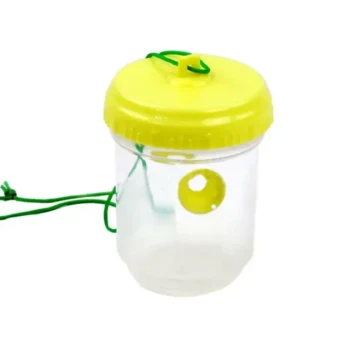
Fermented sugar acts as a sophisticated biochemical bait designed to exploit the foraging instincts of hornets, specifically Vespa orientalis. By mixing sugar, water, and yeast, the solution undergoes fermentation to release specific volatile organic compounds (VOCs). These airborne chemical signals mimic the scent of energy-dense food sources, effectively luring the hornets into the trapping system for capture and analysis.
Core Takeaway Fermented sugar functions not just as food, but as a signal generator that simulates high-energy nutrition. This increases the precision of trapping systems, enabling the collection of highly accurate data regarding population density and weekly capture fluctuations.
The Mechanism of Attraction
Simulating Energy-Dense Nutrition
The primary function of fermented sugar is to act as a biological consumable. It does not merely offer a sweet taste; it simulates a critical dietary requirement.
Vespa orientalis requires high-energy food sources to sustain its activity. The fermentation process creates a chemical profile that signals the presence of this exact type of nutrition.
Releasing Volatile Organic Compounds
The attraction is driven by volatile organic compounds. These are airborne chemicals released during the fermentation process.
These compounds travel through the air, creating a scent trail. This trail serves as a beacon, drawing hornets from the surrounding environment toward the trap with high efficiency.
The Role in Data and Monitoring
Increasing Trapping Precision
Using a specific fermented mixture increases the precision of the trapping process.
By utilizing a chemical signal that targets specific biological needs, the system ensures that the catch is consistent. This reliability is essential for scientific monitoring and effective pest control.
Measuring Population Dynamics
Because the attractant is consistent, the resulting data is reliable. This allows operators to track weekly capture rates accurately.
By analyzing these capture rates, observers can map fluctuations in population density over time. The fermented sugar bait is the variable that makes this longitudinal data collection possible.
Operational Considerations and Trade-offs
Specificity of the Lure
While effective, this method relies heavily on the specific biological drive of the hornet for energy-rich carbohydrates.
The trap's effectiveness is directly tied to the hornet's current metabolic needs. If the population's dietary focus shifts (for example, toward protein for brood rearing), the attraction of a sugar-based volatile may fluctuate.
The Nature of Biological Consumables
Fermented sugar is an active biological mixture, not a static tool.
Because it relies on yeast activity to produce odors, the mixture is dynamic. It is a consumable resource that functions best when the chemical ratios are maintained to produce the correct "mimic" signals.
Applying This to Your Strategy
To effectively utilize fermented sugar in your hornet management plan, consider your specific end goals:
- If your primary focus is Population Monitoring: Rely on the consistent lure of the fermented mix to generate accurate, comparable weekly data points regarding infestation levels.
- If your primary focus is Active Control: Use the strong volatile signal to draw hornets away from natural food sources and into high-capacity capture devices.
By leveraging the biological hunger of Vespa orientalis, you transform a simple sugar mixture into a high-precision data collection tool.
Summary Table:
| Mechanism Component | Function in Trapping System | Benefit to Monitoring |
|---|---|---|
| Fermented Sugar | Biological consumable & signal generator | Simulates high-energy food sources |
| VOCs | Airborne chemical signaling | Creates scent trails for high-efficiency lures |
| Yeast Activity | Dynamic scent production | Ensures consistent attraction for accurate data |
| Targeted Luring | Metabolic exploitation | Enables precise tracking of population density |
Elevate Your Apiary Management with HONESTBEE
At HONESTBEE, we understand that effective hornet control is vital for the survival of commercial apiaries and the success of distributors. Whether you are monitoring Vespa orientalis populations or protecting your hives, our comprehensive range of beekeeping tools, machinery, and specialized equipment provides the professional-grade solutions you need.
From advanced hive-making technology to essential industry consumables, we empower our partners with tools designed for precision and durability. Contact us today to discover how our wholesale offerings and expertise in beekeeping hardware can optimize your operations and protect your honey production.
References
- Mostafa A. Fouad, A. EL Roby. Behavioral Study of The Dangerous Insect Predator (Vespa orientalis) on The Honeybee Colonies in Minia Region, Egypt دراسة سلوک اخطر عدو حشري (الدبور الشرقي) على طوائف نحل العسل في منطقة المنيا ، مصر. DOI: 10.21608/jppp.2021.205739
This article is also based on technical information from HonestBee Knowledge Base .
Related Products
- Removable Washable Hive Beetle Trap Attractants for Small Hive Beetles
- Compact Multi-Funnel Hanging Wasp Trap
People Also Ask
- How should powdered substances be used in beetle traps for hive beetle control? Expert Guide for Maximum Colony Protection
- What are the three main types of hive beetle traps? Expert Solutions for Protecting Your Bee Colonies
- What are the types of hive beetle traps available? Master Your Beetle Control Strategy
- What are the main types of hive beetle traps available? A Beekeeper's Guide to Effective Control
- What are the available chemical-free options for trapping hive beetles? Safe and Effective Pest Management Solutions