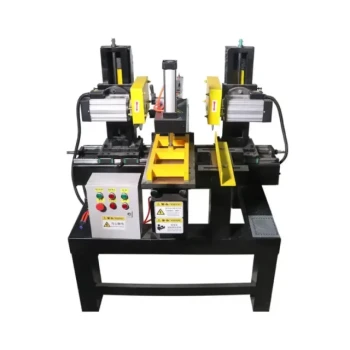
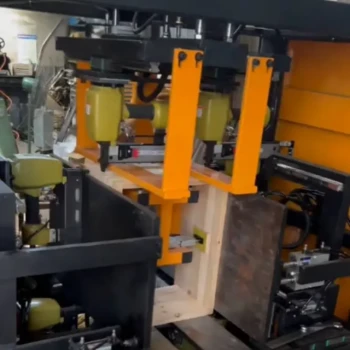
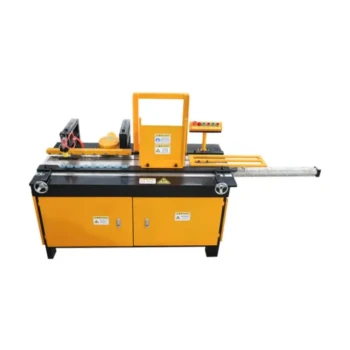
High-precision hive-making machinery serves as the backbone of scalable urban apiculture. By producing standardized components with strict dimensional tolerances, this technology ensures that every hive part is interchangeable. This consistency is critical for reducing labor costs associated with maintenance and providing the structural stability necessary to protect colonies against urban environmental challenges, such as pollution and extreme temperature fluctuations.
The Core Reality Commercial success in urban beekeeping relies less on the quantity of hives and more on the uniformity of your infrastructure. High-precision machinery eliminates hardware variables, creating a standardized environment that reduces colony stress and enables seamless operational scaling.
Standardization as a Commercial Force Multiplier
In a commercial setting, time is the most expensive resource. Precision machinery shifts hive production from a variable craft to a predictable industrial process.
Achieving True Interchangeability
The primary benefit of high-precision manufacturing is the guaranteed interchangeability of components. Frames, supers, and covers produced today will fit perfectly with those produced years from now.
This eliminates the time wasted forcing mismatched parts together during inspections. It allows beekeepers to move resources between hives instantly, streamlining colony management across different apiaries.
Reducing Operational Friction
Standardized dimensions are a prerequisite for using advanced harvesting equipment. Mechanized honey extractors require frames that fit exact specifications to operate without jamming or breaking.
By ensuring every frame is identical, machinery reduces the friction in the extraction line. This protects the quality of the honey and significantly lowers the labor hours required for harvesting.
Engineering for the Urban Environment
Urban environments present unique stressors, including heat islands and pollution, that rural apiaries may not face. Precision manufacturing creates hardware capable of withstanding these pressures.
Superior Insulation and Sealing
High-precision cutting ensures tight joints and seamless assembly. This structural tightness provides superior insulation, helping bees regulate hive temperature against the concrete heat of the city.
Tighter seals also prevent the intrusion of urban pollutants and pests. This creates a controlled microclimate within the hive, which is essential for colony survival in a non-native environment.
Stability During Transport
Commercial urban beekeeping often involves moving hives between rooftops or pollination sites. Hives produced with industrial precision have higher structural stability.
They are less likely to warp or loosen during transport. This durability protects the colony from physical stress and reduces the budget required for repairing or replacing equipment.
Supporting Biology and Scalability
Beyond the physical box, the machinery supports the biological needs of the bees and the economic growth of the business.
Respecting "Biological Bee Space"
Bees require a specific gap (known as "bee space") to move freely. If the gap is too wide, they build burr comb; if too narrow, they seal it with propolis.
Precision machinery guarantees that frames and boxes adhere to these exact biological standards. This reduces the bees' workload and minimizes the colony stress caused by poorly fitting equipment.
Breaking Growth Bottlenecks
Reliance on external suppliers can stall business growth due to shortages or shipping delays. Owning hive-making machinery allows for autonomous production.
This enables operations to utilize local materials, supporting a circular economy. It provides the physical infrastructure needed to expand colony counts rapidly without being throttled by supply chain issues.
Understanding the Trade-offs
While high-precision machinery offers immense value, it introduces specific challenges that must be managed.
High Initial Capital Expenditure
The machinery represents a significant upfront investment compared to buying manual tools or pre-made hives. This cost must be amortized over a large volume of production to be financially viable.
Maintenance and Technical Skill
Operating industrial-grade woodworking machinery requires a different skillset than beekeeping. It necessitates regular maintenance and calibration to ensure the "precision" remains precise over time.
Material Dependencies
Precision machinery cannot correct for poor-quality raw materials. Using warped or unseasoned wood in a high-precision machine will still result in a defective product, wasting both material and machine time.
Making the Right Choice for Your Goal
To leverage this technology effectively, align your investment with your specific operational objectives.
- If your primary focus is rapid scaling: Prioritize machinery that maximizes production speed to eliminate infrastructure bottlenecks and lower unit costs.
- If your primary focus is operational efficiency: Focus on machinery that guarantees strict dimensional tolerances to ensure 100% interchangeability and compatibility with automated extractors.
- If your primary focus is colony health: utilize machinery to produce hives with superior joint tightness for better insulation against urban temperature extremes.
Precision in manufacturing is not just about wood; it is about creating a predictable, stable foundation for biological success.
Summary Table:
| Key Feature | Impact on Commercial Urban Beekeeping | Operational Benefit |
|---|---|---|
| Dimensional Precision | Guaranteed interchangeability of all hive parts | Reduces labor costs and inspection time |
| Tight Joint Sealing | Superior insulation against urban heat islands | Enhances colony survival and climate control |
| Biological Accuracy | Maintains exact "bee space" within the hive | Minimizes burr comb and reduces colony stress |
| Structural Stability | Withstands frequent transport and urban stressors | Increases equipment lifespan and reduces repairs |
| In-house Production | Removes reliance on external supply chains | Enables rapid scaling and use of local materials |
Elevate Your Beekeeping Operation with HONESTBEE
Transitioning from hobbyist to commercial success requires infrastructure you can trust. HONESTBEE specializes in empowering commercial apiaries and distributors with the high-precision tools necessary for modern apiculture. From industrial-grade hive-making machinery and automated honey-filling lines to a complete range of professional beekeeping tools and consumables, we provide the hardware that ensures your success.
Why partner with HONESTBEE?
- Scalability: Our machinery is designed for high-volume, standardized production.
- Reliability: Precision-engineered equipment that reduces maintenance and labor friction.
- Expertise: We cater specifically to the needs of large-scale operations and wholesale distributors.
Ready to eliminate your production bottlenecks and secure your colony health? Contact us today to explore our wholesale equipment solutions!
References
- Monika Egerer, Ingo Kowarik. Confronting the Modern Gordian Knot of Urban Beekeeping. DOI: 10.1016/j.tree.2020.07.012
This article is also based on technical information from HonestBee Knowledge Base .
Related Products
- High-Efficiency Pneumatic Bee Hive Making Machine for Rapid Box Assembly
- Beehive Machine Double End Saw for Precision Hive Component Manufacturing
- Automatic High-Speed Bee Hive Box Stapling Machine
- HONESTBEE Professional Long Handled Hive Tool with Precision Cutting Blade
- Beehive Handle and Frame Rest Cutting Machine: Your Specialized Hive Machine
People Also Ask
- How does the introduction of professional beehive-making machinery benefit sustainable beekeeping? Scale Your Apiary
- Why is specialized beehive-making machinery critical for low-defense breeding? Enhance Selection with Precision Tools
- How does the introduction of specialized beehive making machinery contribute to increasing the scale of regional beekeeping industries?
- What is the importance of specialized beehive making machinery in a circular bio-economy? Build Local Sustainability
- Why is specialized beehive-making machinery essential? Scale Your Apiary with Precision Industrial Standards