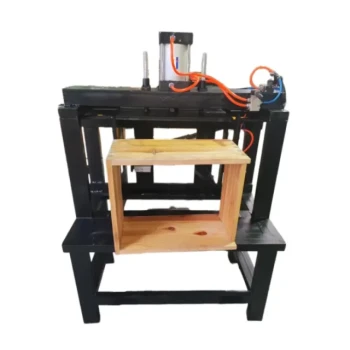
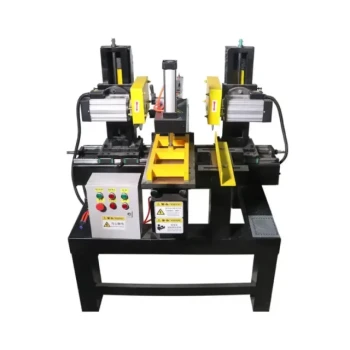
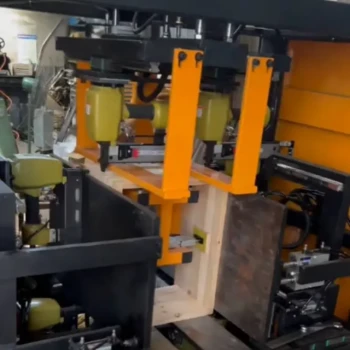
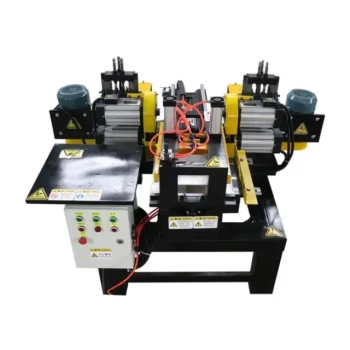
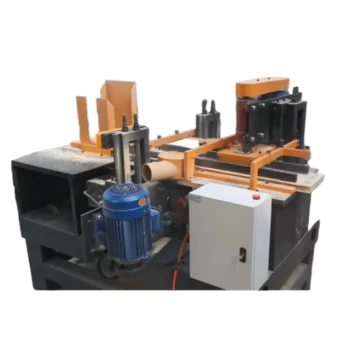
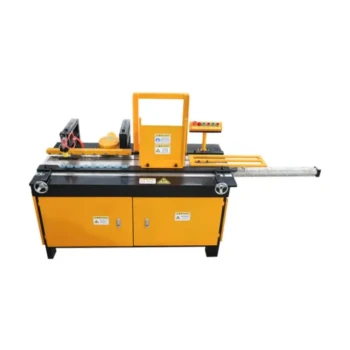
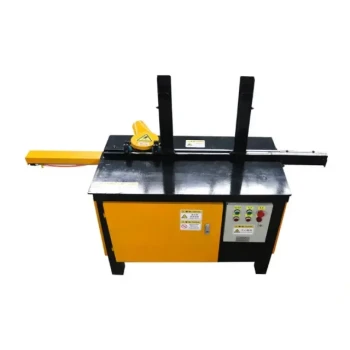
Specialized beehive manufacturing machinery acts as a catalyst for economic autonomy. By enabling the large-scale, standardized production of hive components using local materials, this technology dramatically reduces unit costs and eliminates the heavy financial burden of importing equipment. It effectively shifts a regional operation from a dependency on expensive external suppliers to a self-sufficient, cost-controlled production model.
Regional beekeeping operations that integrate specialized manufacturing machinery secure a competitive advantage by decoupling their infrastructure costs from volatile import markets while simultaneously increasing apiary efficiency through strict component standardization.
Reducing Direct Procurement Costs
Leveraging Local Resources
The most immediate impact of specialized machinery is the ability to utilize local timber resources. Instead of paying for finished goods that include the manufacturer’s markup, shipping, and import tariffs, operators can process raw materials found within their specific region.
Eliminating Intermediary Expenses
Automating production removes the logistical costs associated with purchasing ready-made beehives from external suppliers. By producing equipment on-site or regionally, operations bypass the substantial fees of long-distance logistics and third-party distribution.
Achieving Economies of Scale
Industrial-grade machinery facilitates mechanization, which lowers the unit cost of manufacturing. This capability allows for rapid, large-scale output that manual construction cannot match, providing the necessary volume for apiary expansion without a proportional increase in labor costs.
Operational Efficiency Through Precision
Adhering to Critical "Bee Space" Standards
Precision is not just about aesthetics; it is vital for maintenance. Specialized machinery ensures strict adherence to "bee space"—the precise gap required between frames to prevent bees from building wild wax or applying excess propolis.
Ensuring Component Interchangeability
When machinery guarantees uniform specifications, every frame fits every hive body. This standardization allows for the seamless interchangeability of spare parts, drastically reducing the time beekeepers spend managing equipment compatibility in the field.
Improving Colony Energy Efficiency
Machinery-produced components offer a tighter structural fit compared to manual assembly, which enhances the thermal insulation of the nest. Better insulation reduces the energy bees must expend on temperature regulation, allowing the colony to redirect resources toward pollen collection and honey production.
Understanding the Trade-offs
While the benefits of specialized machinery are clear, it is essential to consider the operational requirements before investment.
Initial Capital vs. Long-Term Savings
Implementing industrial-grade machinery requires a significant upfront capital expenditure (CapEx). While this lowers the operating expense (OpEx) per hive over time, the initial outlay must be justified by the intended scale of production.
Maintenance and Technical Skill
Transitioning to mechanized production introduces a need for technical maintenance. Operators must possess or hire the skills necessary to keep high-precision equipment calibrated; poorly maintained machinery will lose the precision advantage that justifies its cost.
Making the Right Choice for Your Goal
To maximize the return on investment in manufacturing machinery, align your equipment choice with your specific operational phase.
- If your primary focus is rapid expansion: Prioritize high-throughput machinery compatible with local timber types to generate the sheer volume of infrastructure needed to scale quickly.
- If your primary focus is labor efficiency: Focus on high-precision equipment that guarantees exact "bee space" tolerances to minimize the time beekeepers spend cleaning wild comb and propolis.
True cost control in beekeeping is achieved not just by spending less on wood, but by creating an ecosystem of standardized precision that reduces labor and waste at every stage of the apiary lifecycle.
Summary Table:
| Cost Factor | Traditional Sourcing | Specialized Machinery Advantage |
|---|---|---|
| Material Sourcing | High-cost finished imports | Low-cost local timber utilization |
| Logistics | Expensive shipping & tariffs | Minimal onsite/regional transport |
| Component Fit | Variable manual quality | Precise "Bee Space" standardization |
| Scalability | High labor per unit | High-throughput mechanization |
| Long-term Value | Volatile market pricing | Stable, self-sufficient production |
Elevate Your Commercial Apiary with HONESTBEE
At HONESTBEE, we empower commercial apiaries and distributors with the tools needed to achieve true economic autonomy. Our comprehensive wholesale portfolio includes high-precision hive-making machines, honey-filling systems, and professional-grade beekeeping equipment designed to turn your operation into a cost-controlled powerhouse.
Why partner with HONESTBEE?
- Complete Solutions: From heavy machinery to essential industry consumables.
- Standardized Precision: Ensure perfect "bee space" and component interchangeability.
- Wholesale Value: Reduce your OpEx by manufacturing your own infrastructure locally.
Ready to scale your beekeeping business and eliminate dependency on expensive imports? Contact us today to discuss your equipment needs!
References
- Joseph Ondunga, Reuben Oyoo Mosi. Socio-economic and cultural factors influencing farmers’ group participation for commercialization of apiculture among small holder farmers in Homa bay county, Kenya. DOI: 10.33687/ijae.009.03.3587
This article is also based on technical information from HonestBee Knowledge Base .
Related Products
- High-Efficiency Pneumatic Bee Hive Making Machine for Rapid Box Assembly
- Mini Desktop Bee Hive Frame Forming Making Machine
- Beehive Machine Double End Saw for Precision Hive Component Manufacturing
- Automatic High-Speed Bee Hive Box Stapling Machine
- HONESTBEE Top Bar & Bottom Bar Forming Machine | Bee Frame Machine
People Also Ask
- How does the introduction of professional beehive-making machinery benefit sustainable beekeeping? Scale Your Apiary
- Why is specialized beehive-making machinery critical for low-defense breeding? Enhance Selection with Precision Tools
- How does the introduction of specialized beehive making machinery contribute to increasing the scale of regional beekeeping industries?
- What is the importance of specialized beehive making machinery in a circular bio-economy? Build Local Sustainability
- Why is specialized beehive-making machinery essential? Scale Your Apiary with Precision Industrial Standards