The development of cross comb fundamentally compromises a beekeeper's ability to perform standard hive management. Instead of functioning as a modular system where frames are removed individually, cross comb fuses frames together, turning a routine check into a destructive and messy operation. This forces the beekeeper to physically break the comb to access the hive, leading to significant damage to the colony's structure and resources.
Cross comb transforms inspections from observation into destruction. By linking frames together, it forces beekeepers to tear apart brood and honey stores, causing bee mortality and triggering aggressive defensive behavior.
The Structural Impact on Inspections
Loss of Frame Modularity
Modern beehive management relies on the ability to remove and inspect one frame at a time. Cross comb eliminates this modularity by bridging the gap between frames.
When this occurs, you can no longer lift a single frame to check for the queen or disease. The frames become a fused block, making the hive difficult to manipulate without using excessive force.
Physical Destruction of Habitat
To inspect a hive with cross comb, the beekeeper must sever the wax connections between frames. This is not a clean process; it physically tears the structural integrity of the hive.
The result is a "structural mess" inside the hive box. This damage requires the colony to divert energy away from foraging and brood rearing to repair their home.
Challenges in Maneuverability
While hive weight is always a consideration for beekeepers, cross comb exacerbates physical strain.
Lifting a fused block of frames is significantly heavier and more awkward than lifting a single unit. This increases the difficulty of the inspection, potentially requiring assistance or greater physical strength to manage the equipment safely.
Biological Consequences for the Colony
Honey Bee Mortality
The most severe consequence of breaking cross comb is the loss of life. Because the comb is often filled with brood (developing bees), tearing it apart invariably kills the larvae and pupae inside.
This reduces the colony's future workforce. It counteracts the primary goal of an inspection, which is to ensure the health and growth of the population.
Loss of Resources
Cross comb is frequently used for honey storage. Severing these connections ruptures capped honey cells, causing honey to leak throughout the hive.
This spill destroys a valuable harvestable resource. Furthermore, it creates a sticky environment that can trap and drown bees, further impacting colony numbers.
Understanding the Operational Trade-offs
Heightened Colony Aggression
Bees react defensively when their hive structure is destroyed. The act of breaking cross comb triggers a rapid release of alarm pheromones.
This causes worker bees to become highly aggressive toward the beekeeper. What should be a calm inspection can quickly become dangerous, requiring heavier protective gear and more smoke.
Hinderance of Harvesting
Efficient honey harvesting requires clean, straight frames that can be easily uncapped and spun or cut. Cross comb makes this standard processing impossible.
The erratic structure prevents the use of standard extraction equipment. The beekeeper is often forced to crush and strain the comb, which is a slower, messier, and less efficient method of harvesting.
Making the Right Choice for Your Goal
Managing a hive effectively requires maintaining the integrity of the internal structure.
- If your primary focus is Colony Health: Prioritize straight comb to prevent the accidental killing of brood and the drowning of bees during inspections.
- If your primary focus is Ease of Management: Ensure frames remain independent to avoid the physical strain and aggression associated with breaking fused comb.
maintaining proper comb alignment is the only way to ensure inspections remain a tool for observation rather than a source of destruction.
Summary Table:
| Impact Category | Effect of Cross Comb | Management Consequence |
|---|---|---|
| Hive Structure | Fuses individual frames into a solid block | Loss of modularity; frames cannot be removed |
| Colony Health | Tearing comb kills larvae and pupae | Reduced workforce and population decline |
| Bee Behavior | Triggers alarm pheromones and aggression | Dangerous inspections requiring more protection |
| Production | Ruptures honey cells and spills resources | Messy harvesting and reduced honey yield |
| Maintenance | Requires physical destruction to inspect | Significant energy diverted to wax repair |
Elevate Your Beekeeping Efficiency with HONESTBEE
Cross comb doesn't just make inspections difficult—it hurts your bottom line. At HONESTBEE, we specialize in supporting commercial apiaries and distributors with high-quality, precision-engineered beekeeping tools and machinery designed to prevent management headaches.
Whether you need advanced hive-making machinery to ensure perfect frame alignment, professional-grade honey-filling machines, or a steady supply of essential industry consumables, we have the comprehensive wholesale offering you need to scale your operations.
Maximize your apiary’s productivity and protect your colony health—Contact us today to explore our full equipment catalog!
Related Products
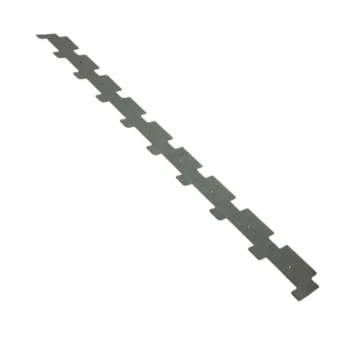
- Heavy Duty Castellated Iron Frame Spacer for Honey Supers
- Professional Frame Comb Fork and Lifter for Efficient Handling
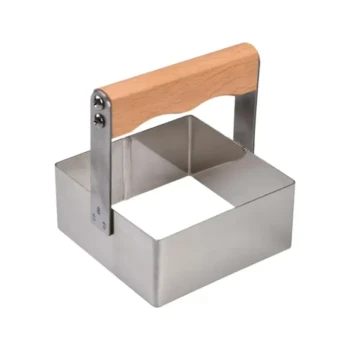
- Heavy Duty Stainless Steel Honeycomb Cutter
People Also Ask
- What are honey super frames and what foundation options are available? Choose the Best Support for Your Bees
- What are the reasons and drawbacks of using nine frames in a ten-frame honey super? Boost Extraction Speed Today
- What are honey super frames and how many are needed per box? A Beekeeper's Essential Guide
- What are honey super frames and their foundation options? Choose the Best Support for Your Hive's Honey Production
- Why might a beekeeper use fewer than the standard number of frames in a honey super? Boost Extraction Efficiency