Worker honeybees can carry pathogens in the crop and mouthparts without immediately showing disease. The crop, or “honey stomach,” temporarily stores nectar and syrup before the proventriculus meters material into the midgut; it is not a sterilizing chamber. Because contaminated food can be regurgitated, exchanged among workers, or deposited into shared feeders, commercial equipment must be designed for effective cleaning, disinfection, and rapid turnover.
The key biosecurity risk is not only whether a pathogen survives inside the bee—it is whether contaminated food and equipment can move it between colonies. Cleanable feeders, extractors, tools, and hive components are therefore essential controls in commercial apiaries.
Why the Worker Bee Digestive Tract Matters
The crop is a temporary storage chamber
The crop stores liquid food collected from flowers or feeders while the bee transports it to the colony. Nectar, sugar syrup, and other liquids may remain there before being processed, exchanged, or passed through the proventriculus.
This makes the crop an important contact point between bees, food sources, and equipment. Contamination in the crop can potentially reach communal food stores or feeding systems.
The proventriculus regulates food movement
The proventriculus is a one-way, valve-like structure between the crop and the midgut. It meters the movement of liquid food and larger particles toward the digestive tract and helps prevent unsuitable material from entering the midgut too quickly.
However, it should not be treated as a complete pathogen barrier. Some spores and infectious material may remain in the crop or pass onward depending on the organism, food matrix, and conditions.
“Retention” does not mean permanent containment
Diseases such as Nosema and foulbrood-related bacteria can be associated with contaminated food, fecal material, comb, and bee contact. The digestive anatomy may delay or compartmentalize some material, but it does not eliminate the risk of subsequent transmission.
A worker can still spread contamination through regurgitation, trophallaxis, contact with feeder surfaces, and movement between colony areas. The practical concern is therefore pathogen persistence and transfer, not simply the location of a pathogen inside the bee.
How Pathogens Move Through Commercial Apiaries
Shared food creates a transmission pathway
Feeders are visited by many bees, often from the same colony and sometimes from different colonies if equipment is moved or poorly controlled. Contaminated syrup, bee contact, wax particles, and debris can turn a feeder into a reservoir for cross-contamination.
This is especially important when commercial operations rotate feeders, syrup containers, transfer pumps, or extraction equipment between colonies.
Regurgitation amplifies contamination
Honeybees routinely exchange food and process nectar through regurgitation. A contaminated worker can therefore introduce infectious material into stored food or onto surfaces that other bees contact.
The risk is greater when equipment has narrow cavities, rough surfaces, cracked plastic, porous wood, or inaccessible seals that retain organic residue.
Equipment can spread more than the bees
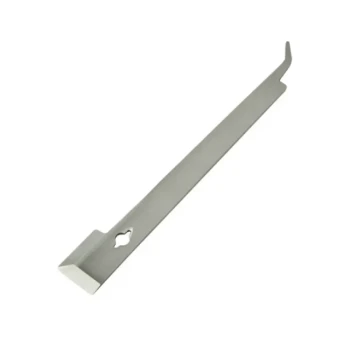
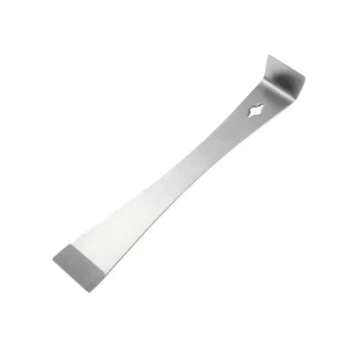
Hive tools, uncapping tools, extraction components, buckets, hoses, pumps, and protective equipment can transfer contamination mechanically. If a tool contacts infected comb or residue and is used immediately in another colony, it may bypass the natural separation between hives.
For distributors and apiary operators, this means equipment sanitation is part of disease management, not merely a housekeeping function.
What This Means for Feeding Equipment
Choose surfaces that can be fully cleaned
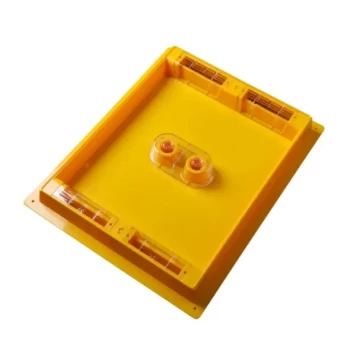
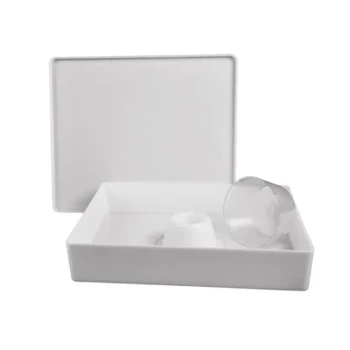
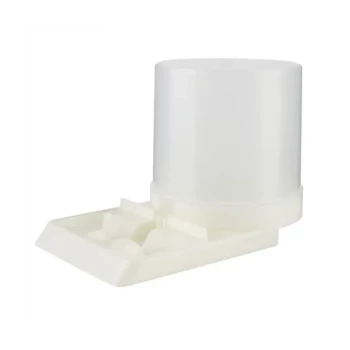
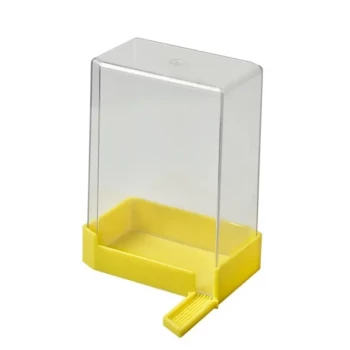
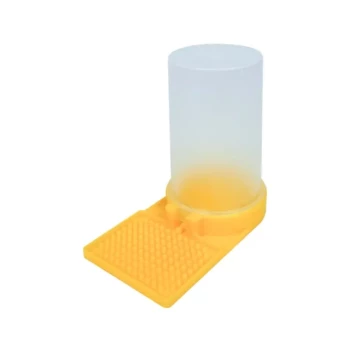
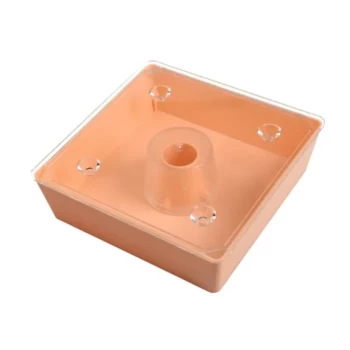
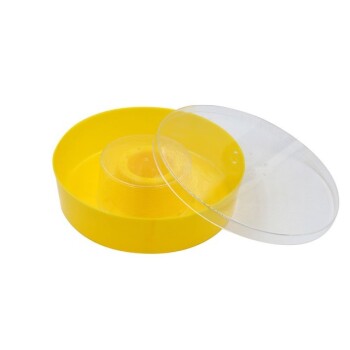
Commercial feeders should have smooth, non-absorbent, food-compatible surfaces with minimal seams and no unnecessary recesses. Components should be easy to open, scrub, rinse, inspect, and disinfect according to the material and the product manufacturer’s instructions.
A feeder that is difficult to disassemble may appear economical but create recurring sanitation labor and hidden pathogen risk.
Avoid designs that trap syrup and debris
Dead zones, narrow channels, clogged screens, and poorly draining compartments can retain syrup, wax, bee bodies, and organic material. These residues protect contamination from routine rinsing and may support further microbial persistence.
When comparing suppliers, inspect the internal geometry, drainage behavior, screen accessibility, and replacement-part availability—not only the feeder’s external capacity.
Separate clean and used equipment
Commercial operations should establish a clear workflow for clean, in-use, dirty, and quarantined equipment. Feeders from suspect or diseased colonies should not return directly to general inventory without appropriate cleaning and disinfection.
Color coding, labeled storage, and standardized cleaning stations can make this process practical at scale.
What This Means for Honey Extraction Equipment
Extractors need sanitation access
Extractors, uncapping trays, settling tanks, strainers, pumps, and hoses can all contact honey and comb residue. Equipment should be selected for accessibility, cleanable construction, corrosion resistance, and compatibility with the intended sanitation process.
Closed systems can improve handling efficiency, but they still require access to seals, valves, hose interiors, and connection points.
Hoses and seals deserve special attention
Flexible hoses and gaskets often retain residue at couplings, bends, and internal surfaces. Damaged, swollen, cracked, or permanently stained components should be replaced rather than repeatedly placed back into service.
A dependable commercial supplier should be able to provide compatible replacement hoses, seals, screens, valves, and other wear parts quickly.
Sanitation must match the material
Not every plastic, elastomer, coating, or metal component tolerates the same chemicals, temperature, or contact time. Incorrect sanitation can damage surfaces and create even more places for residue to accumulate.
Product documentation should identify material compatibility and cleaning limitations clearly. When specifications are unclear, the equipment should not be assumed to be suitable for intensive commercial sanitation.
Selecting Equipment for Commercial Biosecurity
Evaluate the full operating cycle
The best product is not simply the one with the lowest purchase price. Evaluate how quickly it can be emptied, disassembled, cleaned, disinfected, dried, inspected, and returned to service.
For high-volume apiaries, labor savings and reduced downtime can outweigh a higher initial equipment cost.
Prioritize durable, replaceable components
Durability matters because damaged surfaces, warped lids, worn seals, and cracked containers undermine sanitation. Equipment should withstand repeated handling and cleaning without developing defects that retain contamination.
Replaceable components also extend service life and reduce the temptation to keep using compromised equipment.
Match equipment to colony segregation procedures
If an operation maintains separate yards, disease-risk groups, or quarantine areas, equipment should support that structure. Dedicated feeders, tools, and extraction accessories may be justified where the cost of pathogen spread is high.
Suppliers that offer a broad portfolio can help standardize compatible products across feeding, hive management, extraction, storage, and sanitation workflows.
Understanding the Trade-offs
High-capacity equipment is not always safer
Larger feeders and tanks reduce refill frequency but may hold more contaminated material if cleaning is delayed. Capacity should be balanced against turnover time, drainage, accessibility, and the operator’s ability to clean the unit between uses.
Disposable parts reduce cleaning but increase waste
Disposable liners, tubing, or containers can reduce cross-use contamination and sanitation labor. They also add recurring cost, waste, and supply-chain dependence.
Reusable components may be more economical when they are genuinely cleanable and replacement parts are readily available.
Aggressive sanitation can damage equipment
More chemical or heat is not automatically better. Excessive treatment can degrade plastics, elastomers, coatings, and seals, eventually creating rough or porous surfaces that are harder to sanitize.
A documented, material-compatible sanitation procedure is more reliable than improvised chemical strength or exposure time.
Airflow equipment addresses a different risk
Ventilated covers, screened bottom boards, and screened transport crates help maintain respiration and thermal regulation by supporting airflow around the bees’ spiracles. They are important for colony welfare and transport safety, but ventilation does not replace sanitation and does not remove food-borne contamination from feeders or extraction equipment.
How to Apply This to Your Commercial Product Strategy
Equipment decisions should connect biological risk with practical sourcing, service, and fulfillment requirements.
- If your primary focus is pathogen control: Prioritize smooth, non-porous, drainable equipment with accessible internal surfaces and clearly documented cleaning compatibility.
- If your primary focus is high-volume apiary operations: Select durable systems with fast disassembly, efficient sanitation workflows, and readily available replacement parts.
- If your primary focus is distribution or resale: Build a coordinated portfolio covering feeders, extraction equipment, hive tools, sanitation accessories, seals, hoses, and consumables so customers can source a complete biosecurity workflow.
- If your primary focus is operational reliability: Favor suppliers that provide responsive technical support, consistent specifications, rapid fulfillment, and dependable after-sales service.
- If your primary focus is colony segregation: Offer dedicated or clearly identifiable equipment options for quarantine yards, disease-risk colonies, and general production colonies.
Understanding the crop and proventriculus helps apiaries treat feeding and extraction equipment as critical biosecurity controls rather than simple hardware.
Summary Table:
| Aspect | Impact | Equipment Implication |
|---|---|---|
| Crop storage | Temporary storage of contaminated food | Choose cleanable, smooth-surfaced feeders |
| Proventriculus | Incomplete pathogen barrier | Ensure equipment prevents residue buildup |
| Regurgitation | Spreads contamination | Design feeders to minimize shared contact |
| Equipment surfaces | Retain organic material | Prefer non-porous, accessible designs |
| Cleaning workflow | Labor-intensive sanitation | Opt for easy disassembly and drainage |
| Material compatibility | Sanitation effectiveness | Use documented cleaning guidelines |
Ready to secure your apiary's health? At HONESTBEE, we offer a comprehensive range of beekeeping tools, machinery, and consumables designed for optimal biosecurity. Our portfolio includes cleanable feeders, durable extraction equipment, and high-quality hive components. Benefit from our rapid response, deep expertise, and efficient fulfillment—empowering your business with reliable supply. Contact us today to discuss your needs and explore our full-spectrum solutions. Reach out at #ContactForm.
Related Products
- Professional Hive Top Bee Feeder for Beekeeping
- HONESTBEE Entrance Bee Feeder Efficient Hive Front Liquid Feeding Solution for Beekeeping
- HONESTBEE Professional Hive Top Bee Feeder Feeding Solution
- HONESTBEE Entrance Bee Feeder Professional Hive Nutrition Solution for Beekeeping
- Professional Hive Front Entrance Bee Feeder
People Also Ask
- What is a hive top feeder? A Guide to Efficient, Low-Stress Beekeeping
- Do I need an inner cover with a hive top feeder? Optimize Your Hive Setup for Healthy Bees
- What is a hive top feeder, and how does it work? A Complete Guide to Efficient In-Hive Feeding
- What are the characteristics, advantages, and disadvantages of hive top feeders? Optimize Your High-Volume Feeding
- How does a hive top feeder work? Optimize Your Apiary's Nutrition and Security