The fundamental difference lies in the goal of the process: retention versus removal. Raw honey utilizes a gentle straining method solely to remove large physical debris, whereas USDA Grade A honey typically undergoes high-pressure ultra-filtration combined with heat to strip away microscopic particles.
The core distinction is that raw honey is filtered only to clean the product of wax and bee parts, preserving the hive's original chemistry, while Grade A honey is processed to achieve visual clarity and shelf stability at the expense of pollen and enzymes.
The Mechanics of Filtration
Raw Honey: The Coarse Straining Method
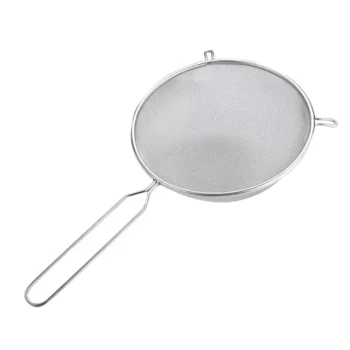
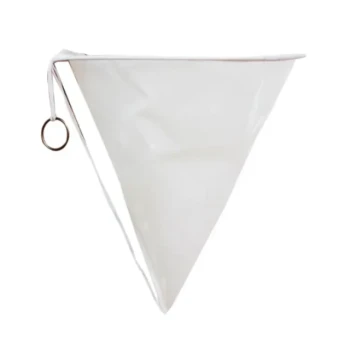
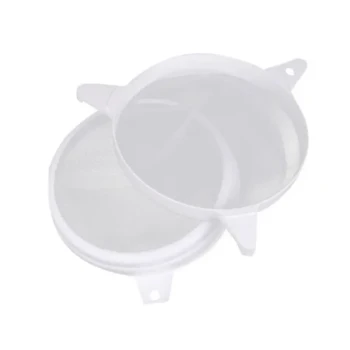
Raw honey undergoes a minimal intervention process known as coarse filtration or straining. The honey is passed through a mesh screen designed to catch macro-debris, such as bits of beeswax or parts of bees.
This process is purely mechanical and low-impact. The mesh is loose enough to allow 100% of the natural pollen, enzymes, and antioxidants to pass through into the final jar.
USDA Grade A: The Ultra-Filtration Method
To achieve the clear, golden liquid consumers often expect, Grade A honey is frequently subjected to ultra-filtration. This involves forcing the honey through extremely fine filters under high pressure.
This method removes virtually all fine particles. This includes the removal of pollen grains, air bubbles, and other suspended solids that give raw honey its cloudy appearance.
The Role of Temperature in Filtration
Heat Facilitates the Process
Filtration and temperature are intrinsically linked. To pass honey through fine ultra-filters, producers must lower its viscosity by heating it.
Flash Pasteurization and Nutrient Loss
Processed Grade A honey is often flash pasteurized at temperatures around 160°F. While this kills wild yeasts and allows for fine filtration, the high heat denatures natural enzymes and degrades antioxidants.
The Raw Temperature Threshold
Conversely, raw honey is generally maintained at temperatures below 110°F during extraction and straining. This ensures the biological activity of the enzymes remains intact, preserving the honey's nutritional profile.
Understanding the Trade-offs
The Case for Aesthetics and Shelf Life
Extensive filtration serves a specific commercial purpose. By removing pollen and wild yeasts, Grade A honey is much slower to crystallize and has a significantly extended shelf life.
It provides a consistent, clear product that looks uniform on a supermarket shelf. If you require honey that remains liquid for long periods without solidifying, ultra-filtration is the necessary mechanism.
The Case for Nutritional Integrity
The trade-off for this clarity is nutritional depletion. The filtration process that clarifies Grade A honey strips it of the pollen and enzymes that distinguish honey from simple sugar syrup.
Raw honey may appear cloudy or crystallize quickly, but these are visual indicators that the natural components and flavor complexities are still present.
Making the Right Choice for Your Goal
When selecting between these two types, your decision should depend entirely on your intended use case.
- If your primary focus is nutritional benefits and flavor: Choose raw honey to ensure you are consuming the natural pollen, enzymes, and antioxidants preserved by gentle straining.
- If your primary focus is visual clarity and storage: Choose USDA Grade A honey for a product that resists crystallization and maintains a consistent liquid texture over time.
Ultimately, the presence of cloudiness in your jar is not a defect, but a marker of the honey's unprocessed, nutrient-dense state.
Summary Table:
| Feature | Raw Honey (Straining) | USDA Grade A (Ultra-Filtration) |
|---|---|---|
| Primary Goal | Debris removal (beeswax/parts) | Visual clarity & shelf stability |
| Filtration Level | Coarse mesh straining | High-pressure ultra-filtration |
| Pollen Content | 100% Retained | Removed/Stripped |
| Temperature | Low heat (<110°F) | High heat/Pasteurization (~160°F) |
| Nutritional Profile | Intact enzymes & antioxidants | Reduced nutrients & enzymes |
| Crystallization | Occurs naturally and quickly | Significantly delayed |
Scale Your Honey Production with HONESTBEE Precision Equipment
Whether you are producing nutrient-dense raw honey or crystal-clear USDA Grade A honey for the mass market, HONESTBEE provides the professional-grade tools you need to succeed. We cater to commercial apiaries and global distributors with a comprehensive wholesale offering designed to optimize every stage of your operation.
From high-efficiency honey-filling machines and specialized hive-making machinery to a full spectrum of beekeeping tools and essential industry consumables, our portfolio supports your growth. We also offer honey-themed cultural merchandise to help you diversify your brand’s appeal.
Ready to elevate your honey production and wholesale capabilities? Contact HONESTBEE today for a custom quote and expert consultation.
Related Products
- Electric Double Wall Honey Filtering Machine Purifier Equipment for Honey Processing Plant
- Professional Stainless Steel Honey Filtering Machine with Water Bath Heating for Beekeeping
- 0.5T Capacity Honey Dehumidifier Dryer with Vacuum Heating and Thickening Filtering Machine
- Honey Concentrating and Filtering Dehumidifier Machine 2T Capacity for Honey
- Professional Stainless Steel Honey Filter with Support Handle
People Also Ask
- What is the process of filtering honey? A Guide to Clean, Pure, and Market-Ready Honey
- What types of equipment are used in honey filtering? Build an Efficient System for Pure, Marketable Honey
- What is the overall importance of using the right equipment in honey filtering? Boost Quality & Marketability
- What are the benefits of drying honey filtering equipment after use? Protect Your Honey Quality & Equipment Investment
- What role do professional honey harvesting and filtering equipment play in meeting honey market quality standards? Boost ROI