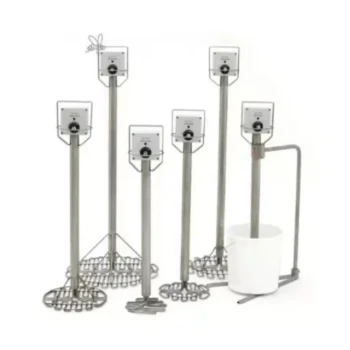
Controlled heat treatment acts as the definitive mechanism for stabilizing honey for commercial distribution. By utilizing specialized equipment to regulate temperature, this process significantly reduces moisture content to enhance preservation and prevent crystallization, though it must be meticulously managed to avoid degrading the honey's chemical integrity.
Achieving a high-quality commercial product requires a precise trade-off: heat is necessary to ensure shelf stability and texture, but excessive thermal processing triggers a rise in hydroxymethylfurfural (HMF) and the destruction of vital enzymes like diastase.
Enhancing Commercial Viability
Heat treatment is primarily employed to transform raw honey into a standardized product suitable for the logistics of the retail market.
Moisture Reduction
The most immediate impact of heat treatment is the reduction of moisture content. Raw honey often contains varying water levels which, if left unchecked, can lead to fermentation.
By lowering moisture, the process significantly enhances the preservative capabilities of the honey. This ensures the product remains safe and stable during long periods of storage and transport.
Crystallization Control
Consumers generally prefer liquid honey that maintains a consistent texture on the shelf. Heat treatment delays the natural process of crystallization.
This results in a product with improved shelf stability and visual appeal. It ensures the honey remains clear and liquid for the duration of its expected commercial life.
The Risks to Nutritional Integrity
While heat improves the physical properties of honey, it poses a direct threat to its chemical and nutritional quality.
Increasing HMF Levels
One of the most critical quality control indicators is hydroxymethylfurfural (HMF). HMF is a compound formed when sugars break down due to heat or age.
Improper or excessive heat treatment causes a significant increase in HMF levels. A high HMF count is a universal marker of poor quality or overheating, often rendering the honey unfit for high-end markets.
Inactivation of Enzymes
Honey is valued for its biological activity, specifically enzymes like diastase. These components are highly sensitive to thermal stress.
Aggressive heating leads to the inactivation of these beneficial enzymes. Once these enzymes are destroyed, the honey loses much of its nutritional value and premium status.
Understanding the Trade-offs
To manage quality control effectively, producers must navigate the tension between physical stability and chemical purity.
The Necessity of Monitoring
You cannot rely on a "set and forget" approach to heating. Continuous monitoring of physicochemical indicators is essential.
Operators must measure HMF and enzyme activity in real-time or through frequent sampling. This data informs the precise adjustment of temperature and duration to stay within safe limits.
Balancing Processing and Purity
While supplementary processes like filtration remove physical impurities like beeswax and debris to ensure clarity, heat treatment dictates the chemical quality.
A clear, filtered honey that has been overheated may look perfect but fail chemically. Therefore, the heat process determines whether the honey is merely a sweetener or a high-value nutritional product.
Making the Right Choice for Your Goal
The intensity of your heat treatment should be dictated by your specific market objectives.
- If your primary focus is Mass Market Retail: Prioritize moisture reduction to ensure maximum shelf stability and prevent crystallization, as physical consistency is often the consumer's top priority.
- If your primary focus is High-End or Export Markets: Minimize thermal exposure to keep HMF levels low and preserve diastase activity, as these chemical markers are the standard for premium pricing.
True quality control lies not in the elimination of heat, but in the precision of its application.
Summary Table:
| Factor | Impact of Controlled Heat | Risk of Overheating | Quality Outcome |
|---|---|---|---|
| Moisture Content | Significant reduction | N/A | Enhanced preservation & anti-fermentation |
| Crystallization | Delays glucose bonding | N/A | Maintains liquid clarity & shelf stability |
| HMF Levels | Minimal change | Significant increase | High HMF indicates poor quality/degradation |
| Enzymes (Diastase) | Preserved | Total inactivation | Loss of biological activity & premium value |
| Physical Purity | Easier filtration | Potential scorching | Crystal-clear, professional appearance |
Elevate Your Honey Production with HONESTBEE Precision Solutions
Maintaining the delicate balance between honey stability and nutritional purity requires professional-grade equipment designed for the industry's highest standards. At HONESTBEE, we specialize in supporting commercial apiaries and distributors with a comprehensive wholesale portfolio.
Whether you are looking for high-efficiency honey-filling machines, specialized hive-making machinery, or essential beekeeping consumables and tools, we provide the technical foundation for your success. We help you minimize HMF buildup and maximize enzyme preservation through precise thermal control technologies.
Ready to scale your commercial honey operations? Contact HONESTBEE today to explore our full spectrum of equipment and cultural merchandise!
References
- V. Krishnasree, P. Mary Ukkuru. Quality Analysis of Bee Honeys. DOI: 10.20546/ijcmas.2017.602.071
This article is also based on technical information from HonestBee Knowledge Base .
Related Products
- 0.5T Capacity Honey Dehumidifier Dryer with Vacuum Heating and Thickening Filtering Machine
- Stainless Steel Heated Honey Tank Warming Heating Tank
- Honey Tank Heater Drum Heating Blanket for Honey Barrel
- Silicone Rubber Honey Drum Heating Belt
- Honey Concentrating Vacuum Heating Thickening Machine Dehumidifier for Honey
People Also Ask
- What is the primary function of professional dehumidification equipment in honey processing? Stability & Quality
- How to dry up honey? The Safe Guide to Stabilizing Honey and Preventing Fermentation
- What is the process for using a dehumidifier to lower honey's moisture content? Expert Drying Techniques
- How to decrease moisture in honey? Prevent Fermentation and Ensure Long-Term Quality
- How to remove humidity from honey? Protect Your Harvest from Fermentation