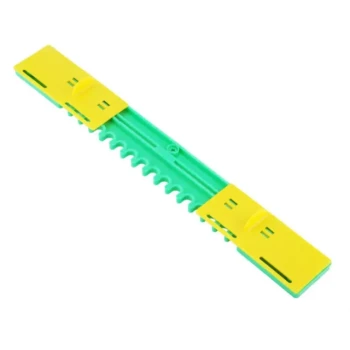
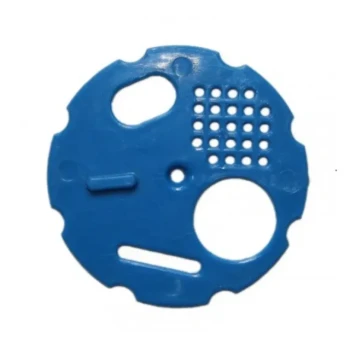
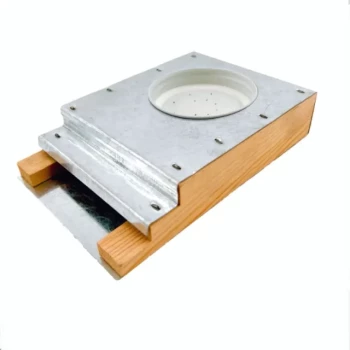
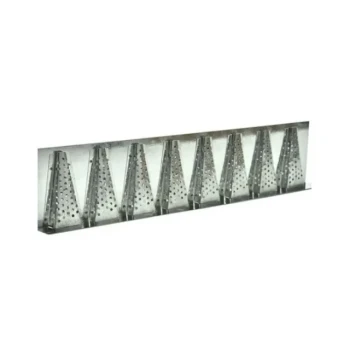
Managing beehive entrance states serves as a critical physical control mechanism against chemical exposure. By manually closing the hive entrance during specific windows of time, beekeepers can physically prevent foragers from leaving the hive and entering fields where agricultural chemicals have recently been applied, effectively neutralizing the risk of direct contact.
This management technique creates a "comprehensive time-and-space barrier" by synchronizing the hive's physical accessibility with agricultural spraying schedules, ensuring foragers remain inside during peak toxicity periods.
The Mechanics of the Barrier
Physical Containment
The primary function of managing the entrance state is exclusion. By setting the entrance to a "closed" state, the beekeeper overrides the colony's natural instinct to forage.
This simple mechanical adjustment guarantees that no bees can access the surrounding environment, regardless of the availability of nectar or pollen in the treated area.
Strategic Synchronization
Entrance management is most effective when coordinated with the chemical application schedule.
The goal is to close the hive immediately prior to high-risk periods. This ensures the colony is physically isolated from the environment at the exact moment the hazard is introduced.
The Time-and-Space Strategy
Utilizing the Evening Window
To maximize protection, this physical barrier is often combined with evening application schedules.
Spraying chemicals, such as herbicides or high-toxicity insecticides, in the evening takes advantage of the natural behavior of bees, as they typically cease foraging at this time.
Creating a Comprehensive Shield
By closing the hive during spraying events, you create a dual layer of protection.
First, you utilize the time factor by spraying when bees are naturally less active. Second, you utilize the space factor by physically barring them from the treated fields.
Preventing Residue Contact
The ultimate goal of this time-and-space barrier is to prevent foragers from encountering lethal residues.
By keeping the bees enclosed until the immediate danger of the spray cloud or fresh residue has passed, the colony avoids the most potent period of chemical toxicity.
Understanding Operational Constraints
Dependency on Timing
The success of this method relies entirely on precise timing.
If the entrance is not closed before the spraying begins, or if it is opened too early while residues are still active, the protective barrier fails.
Coordination Requirements
This approach assumes the beekeeper has accurate knowledge of the spraying schedule.
Without clear communication between the agricultural applicator and the beekeeper regarding when high-toxicity insecticides will be used, the entrance cannot be managed effectively.
Optimizing Colony Protection
To effectively implement this strategy, you must align your management practices with agricultural schedules.
- If your primary focus is immediate physical protection: Close the hive entrance prior to the start of any chemical application to physically halt all foraging activity.
- If your primary focus is chemical application safety: Apply herbicides or insecticides in the evening after natural foraging has ceased to minimize the chance of exposure.
- If your primary focus is comprehensive risk reduction: Combine physical closure with evening schedules to establish a robust time-and-space barrier against lethal residues.
Effective hive management transforms a simple mechanical gate into a vital shield against environmental hazards.
Summary Table:
| Protection Strategy | Mechanism | Key Benefit |
|---|---|---|
| Physical Containment | Closing hive entrances manually | Prevents foragers from entering treated fields |
| Strategic Synchronization | Coordinating with spray schedules | Ensures hive isolation during peak toxicity |
| Time-and-Space Barrier | Evening closure + Scheduled spraying | Maximizes safety by aligning with bee behavior |
| Residue Prevention | Controlled release of foragers | Avoids lethal contact with fresh chemical residues |
Secure Your Apiary’s Success with HONESTBEE
At HONESTBEE, we understand that commercial apiaries and distributors require more than just supplies—they need precision-engineered solutions to protect colony health. From durable hive components designed for effective entrance management to advanced honey-processing machinery, we provide the full spectrum of tools needed to thrive in modern agriculture.
Whether you are scaling your commercial honey production or sourcing premium beekeeping equipment for distribution, our comprehensive wholesale offering is tailored to your success. Contact us today to discover how our specialized hardware and industry consumables can fortify your beekeeping operations against environmental risks.
References
- Marta Zelalem Mengistu, Tariku J. Beyene. Beekeeping In Ethiopia A Case Of Agrochemical Use In West Gojjam Zone. DOI: 10.1080/0005772x.2014.11417575
This article is also based on technical information from HonestBee Knowledge Base .
Related Products
- Multi-Functional Sliding Hive Entrance for Beekeeping
- Beehive Entrance Discs Plastic Bee Entrance Disc for Bee Hives
- Professional Reversible Beehive Hive Entrance
- Steel Round Disc Entrance Reducer for Flexzion Bee Hive Nuc Box Gate
- Beehive Entrance Reducer Guardian Metal Hive Entrance for Bees
People Also Ask
- What roles does the hive entrance (piquera) play in beehive management and colony health? Essential Guide for Pro Apiaries
- Where is the hive entrance typically located? Optimize Your Hive's Health and Honey Production
- What role does the size of the entrance play in hive ventilation? Master Beehive Climate Control
- What is the best entrance for a bee hive? Maximize Colony Health & Honey Production
- What happens if you block the entrance to a bee hive? Avoid This Dangerous Mistake