Periodic replacement of honeycombs is the decisive factor in preserving the natural color and sensory profile of your honey. Failing to rotate these combs results in extraction from old, darkened wax, which significantly deepens the final color of the honey and degrades its inherent quality.
While overall hygiene is necessary to prevent contamination, the age of the honeycomb itself dictates the aesthetic and sensory ceiling of your product. Regular replacement prevents the darkening caused by old wax, ensuring the honey reflects the true character of the nectar.
The Mechanism of Quality Degradation
The Impact of Darkened Combs
Over time, honeycombs naturally darken due to the accumulation of propolis, pollen residues, and larval cocoons. When honey is stored in and subsequently extracted from these aged combs, the darkened pigments transfer to the liquid.
This results in a final product that is significantly darker than the nectar source intended. To maintain a light, clear, and visually appealing product, the storage vessel—the comb itself—must remain fresh.
Preserving Sensory Characteristics
The quality of honey is not defined by sugar content alone; it is defined by subtle aromatic and flavor notes. Old combs can impart "off" flavors or mask the delicate floral notes of a harvest.
By implementing periodic replacement, you ensure the honey is stored in a neutral vessel. This allows the natural sensory qualities of the specific floral variety to remain dominant and unadulterated.
Hygiene and Equipment Standards
The Role of Industrial Management
Utilizing industrial honeycomb management tools is often necessary to execute this replacement strategy effectively. These tools help streamline the cleaning and updating process, ensuring that the rotation of combs happens on a timely schedule rather than haphazardly.
Sanitation Beyond the Comb
While the comb controls color, the purity of the honey relies on broader sanitation practices. As noted in supplementary hygiene standards, all harvesting equipment and storage containers must be rigorously cleaned.
Neglecting the cleanliness of extraction machinery introduces contaminants that can degrade flavor and shelf life. Even the freshest comb cannot compensate for impurities introduced during the harvesting phase.
Understanding the Trade-offs
Investment vs. Quality
Replacing honeycombs requires an investment of resources, as bees must consume honey to produce new wax. This energy expenditure can result in a slight, temporary reduction in total harvest volume compared to reusing old combs.
The Cost of Neglect
However, the alternative—reusing black, hardened combs—creates a lower-value product. The trade-off is clear: you sacrifice a small amount of production energy to gain a massive advantage in product color, clarity, and marketability.
Making the Right Choice for Your Goal
To determine your approach to honeycomb management, consider your end-product objectives:
- If your primary focus is producing premium, light-colored honey: Implement a strict rotation schedule to replace combs before they darken, ensuring maximum visual clarity.
- If your primary focus is flavor purity: Combine comb replacement with rigorous equipment sanitation to eliminate any potential source of flavor degradation.
Routine honeycomb updates are the single most effective intervention for elevating honey from a commodity sweetener to a high-quality artisanal product.
Summary Table:
| Aspect | New Honeycomb (Fresh Wax) | Aged Honeycomb (Darkened) |
|---|---|---|
| Honey Color | Light, clear, and true to nectar source | Significantly darker due to pigment transfer |
| Flavor Profile | Pure floral notes; no off-flavors | Masked aromatics; potential "off" flavors |
| Hygiene Level | High; minimal residue buildup | Low; accumulated propolis and larval cocoons |
| Market Value | Premium; high aesthetic appeal | Lower; seen as a commodity sweetener |
| Production Cost | Higher energy/wax consumption by bees | Lower energy/wax consumption |
Elevate Your Honey Production with HONESTBEE
To produce premium, light-colored honey that commands top market prices, you need more than just a schedule—you need the right industrial tools. HONESTBEE caters to commercial apiaries and distributors with a comprehensive wholesale offering. From specialized hive-making and honey-filling machines to the full spectrum of beekeeping tools and industry consumables, we provide the hardware necessary to streamline your honeycomb management and extraction processes.
Maximize your harvest quality and operational efficiency today.
Contact our specialists for wholesale solutions
References
- Aikaterini Frantzana. Therapeutic Properties of Honey. DOI: 10.34297/ajbsr.2019.04.000858
This article is also based on technical information from HonestBee Knowledge Base .
Related Products
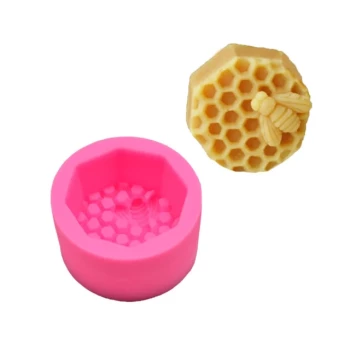
- Hexagonal Bee Honeycomb Silicone Soap Mold by HONESTBEE
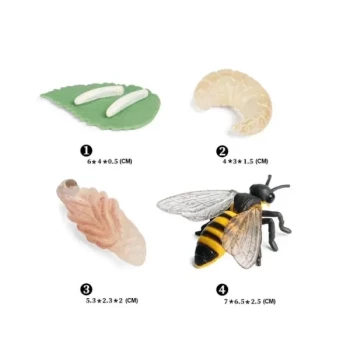
- Honey Bee Lifecycle Model: A Detailed Honeycomb Display of Bee Development
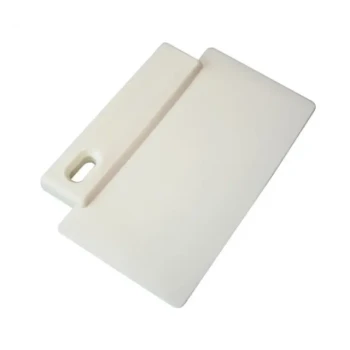
- Professional Wide Blade Honey Scraper for Beekeeping and Honey Processing
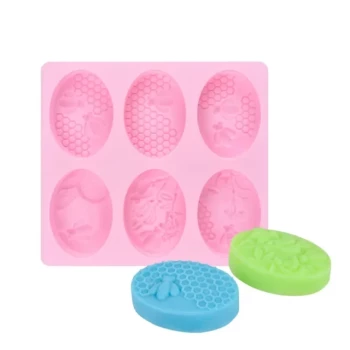
- Premium 6-Cavity Bee and Floral Themed Silicone Soap Mold
- HONESTBEE Adjustable Voltage Wire Embedder with Digital Display
People Also Ask
- What are the advantages of silicone molds for queen cell cups? Upgrade Your Queen Rearing Precision
- What should be considered when selecting combs of honey for extraction? | Key Steps for Quality Honey
- What do bees use combs for? The Hive's Essential Pantry and Nursery
- How are Honeycombs utilized as a standardized testing platform in the assessment of honeybee hygienic cleaning? Guide
- How does removing entire honeycombs impact Varroa mites? Master Mechanical Mite Control for Healthier Hives